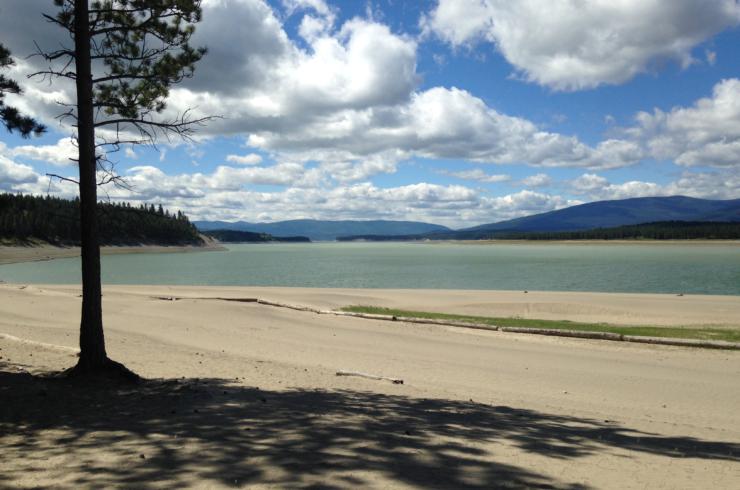
A survey is seeking feedback on the Koocanusa Recreation Strategy until March 28. Please take a minute to support this recreation strategy and help to restore balance to the landscape.
There is a growing global movement to protect nature. More than 75% of the earth has been significantly altered by human activities and 66% of the ocean is experiencing direct impacts from people. In response, governments around the world are…
Canada is 9.985 million square km, stretching from the Pacific to the Atlantic to the Arctic Oceans. We’re the second largest country in the world. We have boreal forests and Rocky Mountains, prairies and rugged coastlines.
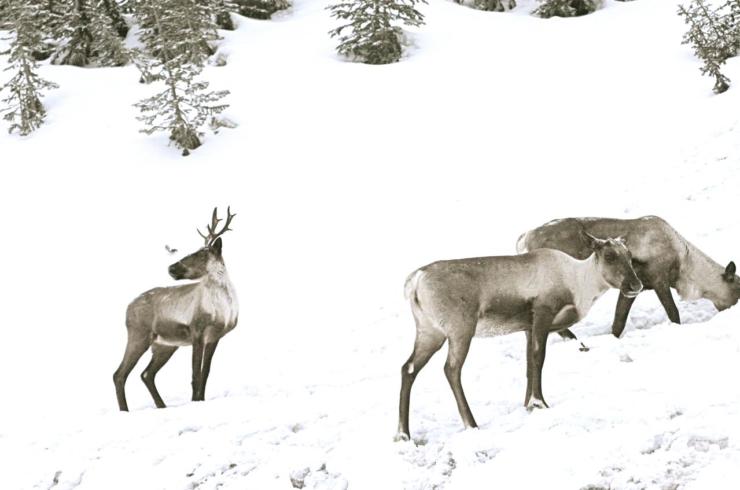
Please find enclosed a s.80 Request under the Species at Risk Act (SARA) for an emergency order to stop logging in Federally identified critical habitat of the Southern Mountain Caribou in the Revelstoke Shuswap Local Planning Unit in British…
This was a year of unexpected challenges, and monumental victories. We love taking stock of where we're at now through our annual report; it gives us a chance to reflect on where we've been, and where we're headed.
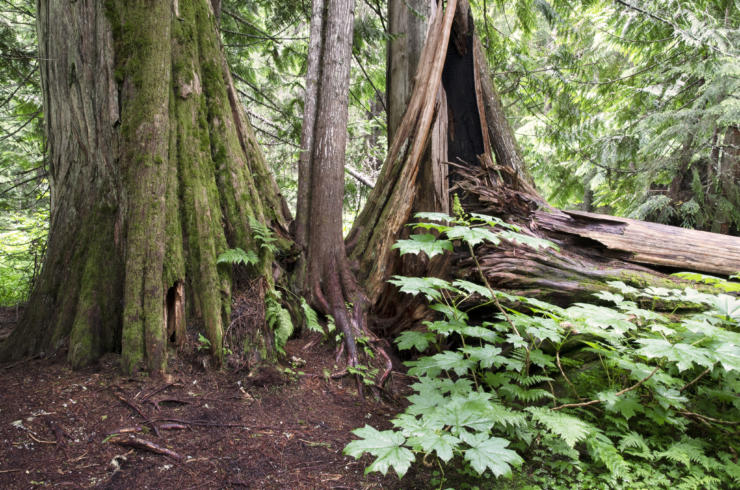
The numbers are staggering; 500 square kilometres of old growth forests are logged every year in BC. Many of these forests in places like the Coastal or Inland Temperate Rainforests are irreplaceable because they have taken hundreds, if not thousands…
Current legislation in British Columbia does not prioritize species at risk such as caribou, nor protect biodiversity and functional ecosystems. Land use continues to be driven by outdated legislation designed to get logs to sawmills, and coal and minerals to market.
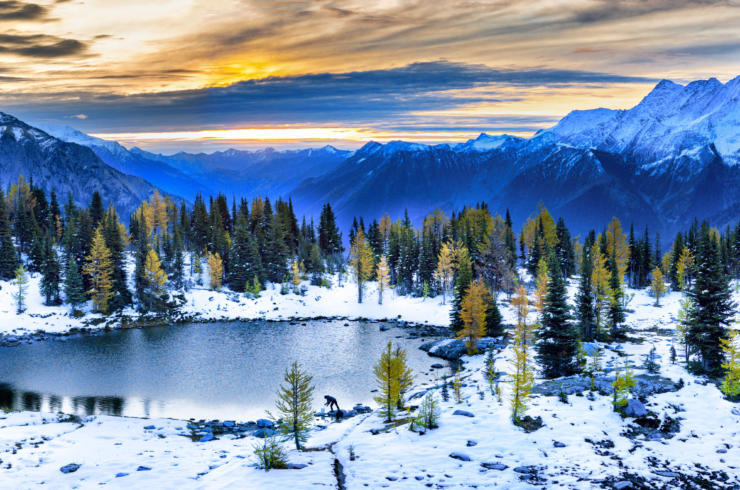
The Rocky Mountains are one of the most iconic and biologically significant mountain ranges in the world. Stretching almost 5,000 kilometres from northern British Columbia to the arid reaches of the US Southwest, these spectacular mountains support a vast…
Government planned to log untouched old growth in Argonaut Creek, deep in the Inland Temperate Rainforest north of Revelstoke. But more than a thousand people spoke up and they cancelled most — but not all — of their logging plans.