

The Creston Nectar Network is a community-led conservation initiative of Wildsight Creston Valley Branch. The project aims to create a connected network of native wildflower plantings across Creston, supporting pollinators, strengthening biodiversity, and fostering a culture of ecological stewardship.
The Creston Nectar Network invites residents, schools, businesses, and community groups to take part by planting small native wildflower patches of 1 square metre that together form a valley-wide web of nectar-rich habitat.
Pollinators don’t follow straight lines. They move toward food. By creating many small “stepping stones” of habitat across town, we can make a real difference.
 Why Pollinators Matter
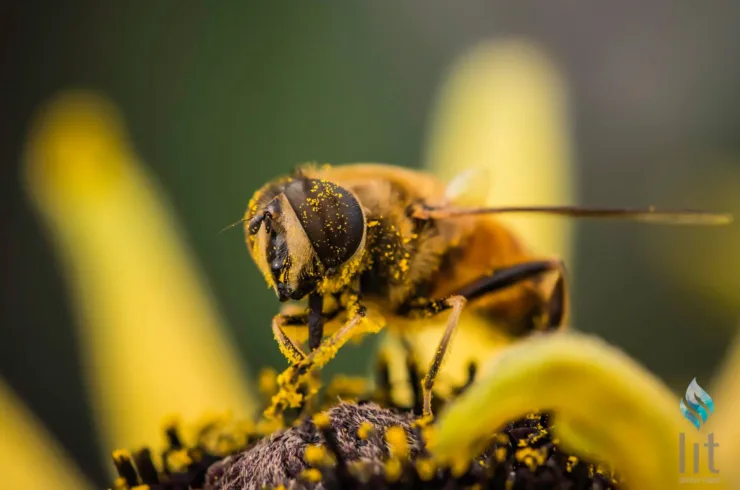
Native bees, butterflies, moths, beetles, and hummingbirds are essential to:
Healthy ecosystems, Food production and seed diversity, Resilient landscapes,.
Across British Columbia and beyond, pollinator populations are declining due to habitat loss, fragmentation, and lack of native flowering plants. The Creston Nectar Network addresses this challenge through collective community action.
Our Vision
We envision a connected, town-wide network of native wildflower patches that supports pollinators and strengthens ecological resilience across the Creston Valley.
Over time, these plantings will:
- Enhance habitat connectivity
- Support biodiversity beyond pollinators
- Encourage long-term stewardship on private and public lands
How the Network Works
Rather than limiting the project to one mapped corridor, the Creston Nectar Network is designed as an inclusive system that grows organically through community participation.
This approach:
Encourages participation from across town
Reflects how pollinators move through landscapes
Allows the network to evolve over time
Native Plant Hubs (“Ecological Anchors”)
Some locations already support strong native plant communities. These areas act as anchor points within the Nectar Network and help guide future plantings.
Examples include: Spectrum Farms, Schikurski Park
These hubs:
Support existing biodiversity
Provide educational examples
Serve as connection points for nearby plantings
Think of them as stations in an ecological transit system, connected by many small gardens throughout town.
Mapping the Nectar Network
Mapping is a key part of this project. A publicly accessible Nectar Network Map will:
Track participating planting sites over time
Show how individual plots connect into a larger network
Visually demonstrate ecological progress
Support future funding and restoration planning
As the network grows, mapping may also help identify opportunities for broader habitat restoration beyond pollinators.
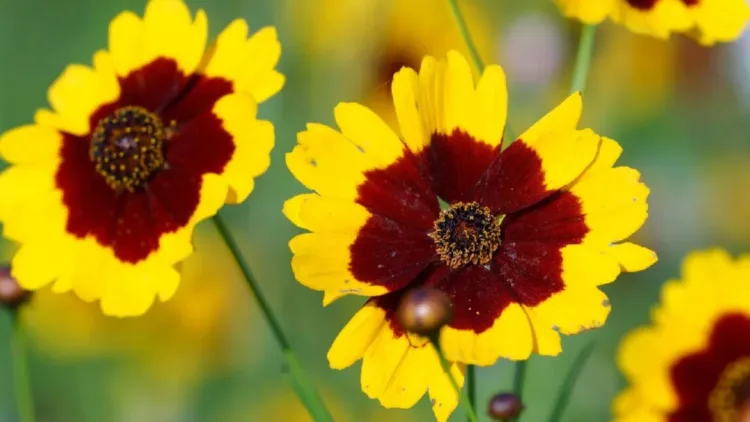
In spring 2026 we will be offering 7 different native plants for 1m sq plot, started with care by volunteers.

Get Involved! Contact Rebecca: creston@wildsight.ca
Participants can contribute by:
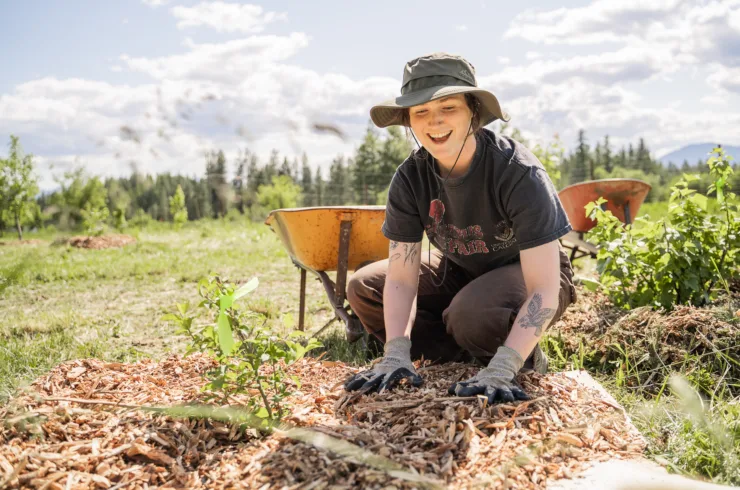
Planting a 1m x 1m native wildflower plot (or larger, if desired)
Maintaining the plot through the growing season
Observing and sharing pollinator sightings
Taking part in workshops or planting events
Gardens can be planted at:
Homes and apartments, Schools and daycares, Businesses, Community spaces
Just a single square metre helps!