The election is over and the Conservative Party of British Columbia now has a decisive mandate to lead the province for the next four years. It’s a sea change after nearly a decade under an NDP government.
The Conservatives won a majority government, with interim leader Lorne Doerksen now BC’s premier-designate. David Eby won his seat, but resigned as leader of the NDP, and Green Party leader Emily Lowan was elected in her riding. There is a lot of uncertainty about what this means for nature, old-growth protection, climate action and Indigenous rights. Here are some answers we can give you.
What does this mean for nature conservation and healthy ecosystems?
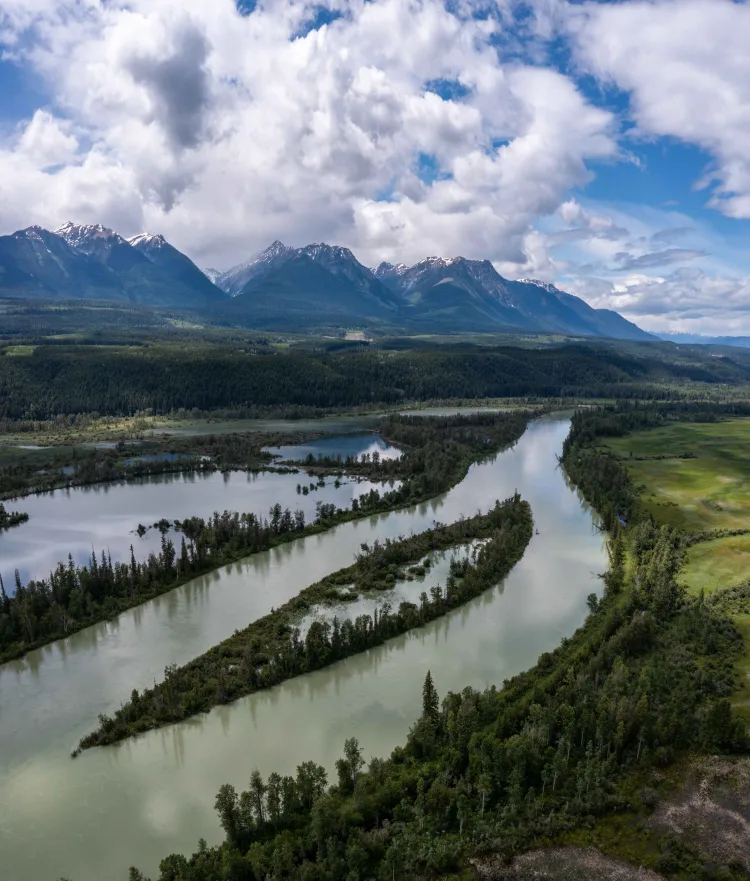
British Columbians overwhelmingly value nature. It’s why we live here; it’s part of who we are. Our is the most biodiverse province in Canada—from Killer Whales to Grizzly Bears, old-growth cedar forests to endangered grasslands, BC is a mecca for the wild. These values transcend governments, and governments work for us: the people. Wildsight has never been shy to remind them of that. We can and will work with any government and your support will be more important than ever to make sure nature has a strong voice in the coming months and years.
What will we do next? What we’ve always done: advocate for the wild. Our conservation and education programs will carry on, as will the Youth Climate Corps and several other projects like restoring beaver habitat and Reconnecting the Rockies. More on those to come! In the meantime, here’s what we’re paying attention to.
What is in the British Columbia Conservative Party’s platform?
There’s a lot to unpack. But let’s zoom in on the stuff that pertains to us and lay out what the BC Conservatives themselves have said they’ll do:
- Old growth: end the logging deferrals, protect “original old growth” and the rarest ecosystems (not defined), and return the rest to logging
- Logging: raise the annual harvest to at least 45 million cubic metres (from about 29 million today) and speed up forestry permits
- Species at risk: pass a BC species-at-risk law so habitat decisions are made here, not by Ottawa
- Wildlife: set population targets with hunters, anglers and First Nations, fund an independent fish and wildlife commission from licence and tag fees, and hire more conservation officers
- Mining: make BC “the fastest place in North America to permit a mine,” with one review per project and fixed timelines, while keeping environmental and reclamation standards
- Parks and Crown land: restore “equal access,” limited only by conservation and safety needs
- Water: protect farm water allocations, build more storage and speed up groundwater licensing
- DRIPA: repeal it and return to the constitutional duty to consult and accommodate First Nations, where required
- CleanBC: repeal BC’s climate-action plan
- Industrial carbon tax: keep it (a separate party energy plan says it would be replaced)
- Emissions accounting: give BC credit for preventing pollution in other countries with our exports (i.e. replacing coal in India with BC LNG), and count carbon absorbed by BC forests against our own emissions
- Natural gas: double production by 2032 and triple it by 2035, and remove the emissions limits blocking new LNG
- Electric vehicles: end the zero-emission vehicle sales quota
- Buildings: overhaul the Step Code and stop municipal bans on gas heating and cooking
- Wildfire: buy a $400 million provincial aircraft fleet, increase prescribed and cultural burning, and fund FireSmart
What does this mean for Wildsight’s ongoing campaigns?
We checked in with our conservation team and campaign leads to see what they’re keeping their eyes on.
- Inland Temperate Rainforest
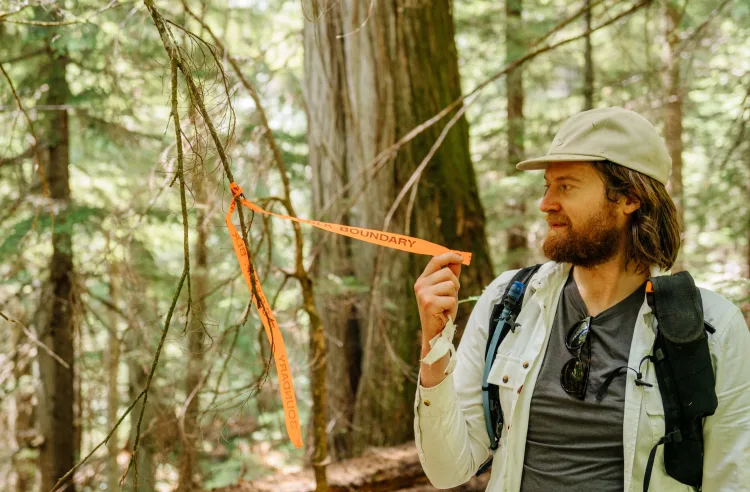
On a global scale, the ITR is amongst the rarest and most imperiled temperate rainforests on earth. This government says it is committed to protecting “original old growth and the rarest ecosystems,” we will hold them to that. We will be closely monitoring what will happen with currently implemented old-growth deferrals in our region. Our work on the ground is going to be more important than ever to document what’s happening and what’s at stake.
- Mining
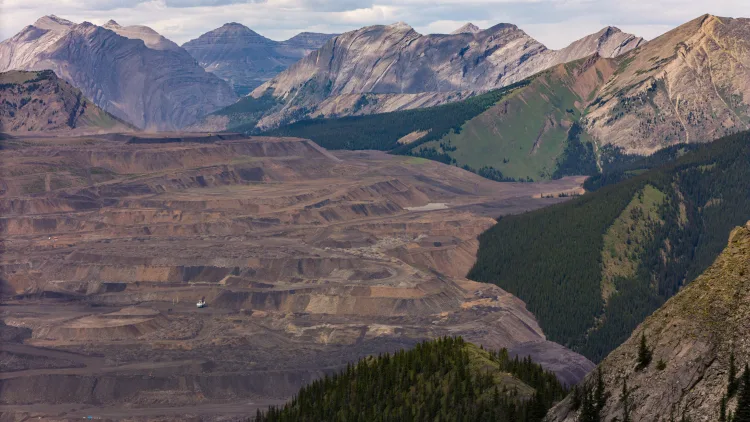
BC continues to be identified as prime territory for mineral exploitation, and pressure from government to build more mines and reduce oversight in hopes of covering ever-increasing financial deficits is only growing. We will continue to fight for improvements to BC’s mining legislation to better protect our environment from the harms of extractive industries. The simplistic “common sense” approach to industrial policy could be advantageous in key areas of mining policy, and we intend to make the best of it!
- Forestry
The proposal to raise the annual harvest volume to at least 45 million cubic metres (from 29 million cubic metres currently) is very concerning. We will continue to advocate for the full implementation of the Old Growth Strategic Review and forest practices that prioritize biodiversity values over timber, and advocate for the protection of our community watersheds.
- Southern Rockies
We will continue our work supporting the Yaq̓it ʔa·knuqⱡi’it First Nation to establish a Wildlife Management Area in the Flathead and Wigwam Valleys, which will protect a core part of one of North America’s most important wildlife corridors. We’re also still helping to advance Reconnecting the Rockies, a connected network of wildlife crossing structures and fencing along Highway 3 in the Elk Valley.
- Zincton
We are headed to court on November 24, challenging BC’s decision to not require an environmental assessment for the proposed Zincton Resort in the Central Selkirks. BC uses the number of beds to determine whether a project should undergo an environmental assessment, instead of the proposed footprint or known wildlife impacts. At 55 square kilometers, with a capacity of 1,200 people daily, Zincton’s proposed 1,700 bed capacity falls below the threshold. We are arguing a project this scale should require a rigorous environmental assessment.
- Caribou
With only 35 per cent of their core habitat protected, we will continue to see widespread loss in the Columbia North caribou herd. We will be in the Federal Court in Vancouver on February 01, 2027, to take Environment and Climate Change Canada to task for failing to map critical caribou habitat under the Species At Risk Act. We will be represented by Ecojustice, alongside our partners Stand.earth and the Wilderness Committee.
- Jumbo/Qat’muk
Wildsight supports the Ktunaxa Nation’s push to finalize the Qat’muk Indigenous Protected and Conserved Area in the Jumbo Valley and surrounding Central Purcells, protecting the sacred territory and core grizzly bear habitat from development.
- Columbia River Treaty and BC Hydro
Columbia River Treaty negotiations between Canada and the U.S. have been paused since the Trump Administration took office in 2025, but may resume in the next four years. Domestically, BC Hydro will soon begin updating the water use plans that influence water levels across our region. BC’s work on these issues must continue longstanding collaboration with First Nations, local governments, NGOs and the federal government. We will push back on any attempt to change direction or cut resources.
- Indigenous rights
We will continue to advocate for truth and reconciliation. Canadian courts have long confirmed Indigenous title and rights are grounded in pre-contact occupation of the land, which is still unceded in most of BC. The Canadian Constitution protects these rights, we will continue to champion them by following the First Nations’ lead.
- Get to know your MLA and be in touch
Get to know your MLA and let them know you care about wildlife, clean water, old-growth forests, climate action, Indigenous rights and biodiversity. Schedule a meeting in-constituency, or write an email.
In-region, your MLAs are:
- Columbia River-Revelstoke: MLA Scott McInnis, incumbent BC Conservative
- Kootenay Central: MLA Brittny Anderson, incumbent BC NDP
- Kootenay-Monashee: MLA Steve Morrisette, incumbent BC NDP
- Kootenay-Rockies: MLA Pete Davis, incumbent BC Conservative
Holding Victoria to account is perennial work, regardless of who occupies the legislature. Wildsight has been here for 40 years, and we’ll continue to be here.
“Never doubt that a small group of thoughtful, committed citizens can change the world. Indeed, it is the only thing that ever has.” —Margaret Mead