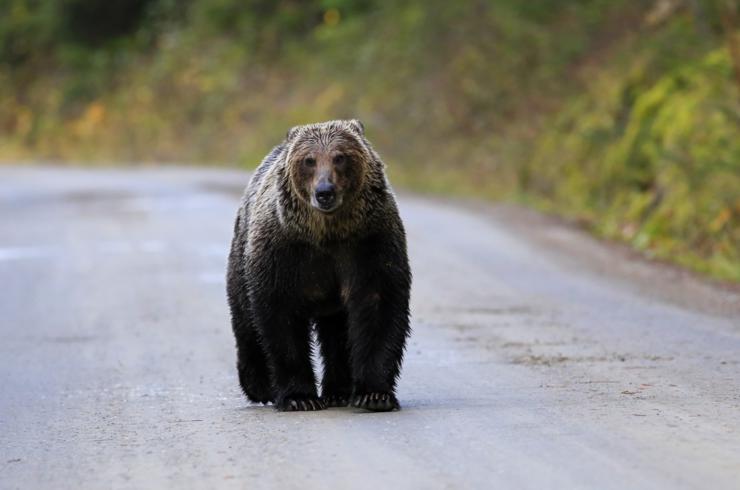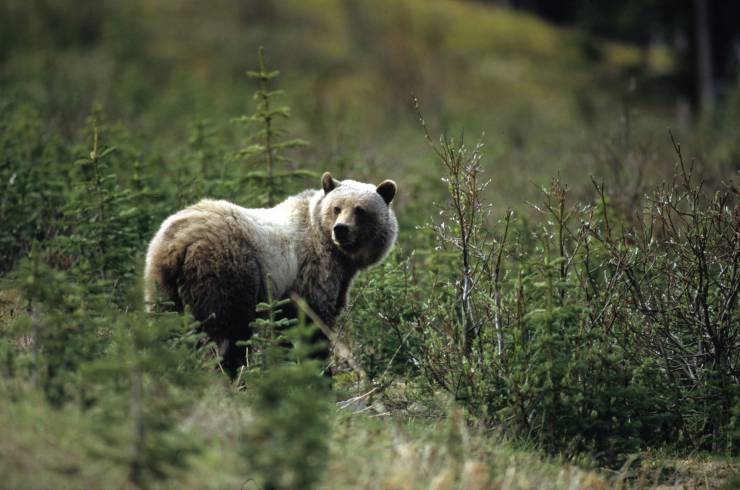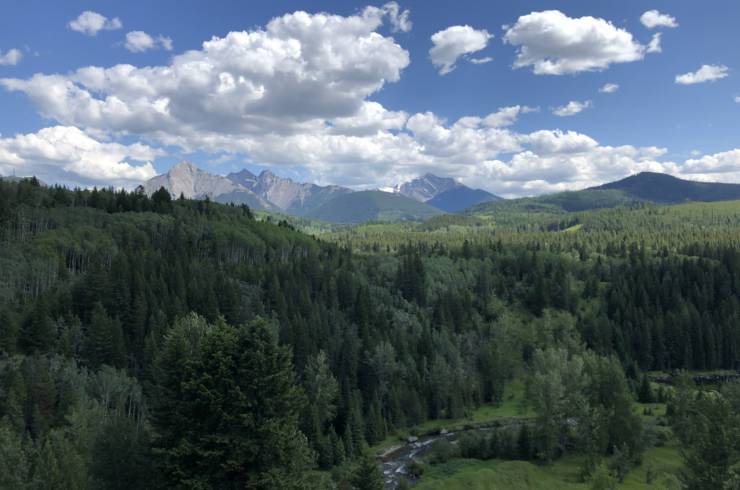


Canada’s Southern Rockies is one of the most important landscapes in North America for wildlife. The Elk Valley provides a critical wildlife passageway. It connects protected areas between Banff National Park and Glacier-Waterton International Peace Park, arguably the most important North-South wildlife corridor on the continent.
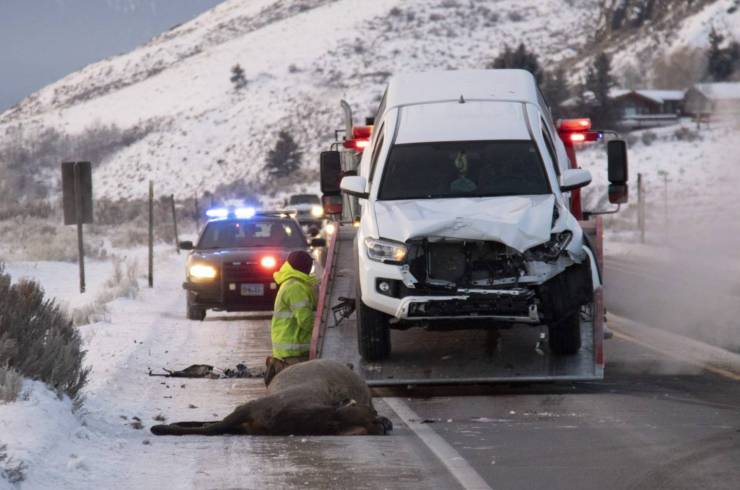
Cutting an aggressive line through these connected landscapes in the Elk Valley is Highway 3, a busy corridor for interprovincial traffic, as well as a steady stream of trains on the nearby Canadian Pacific rail line. Traffic on the Elk Valley’s Highway 3 is up 24% in the past 10 years, and increasing use by transport trucks amplifies the lethal nature of this route. Each year, hundreds of wildlife are killed along this stretch of highway. Making wildlife a priority in this region means finding a way to get animals safely across the road.

Reconnecting the Rockies
Wildsight’s large-scale, collaborative wildlife connectivity project ‘Reconnecting the Rockies’ is protecting wildlife and motorists along a 27-kilometre stretch of Highway 3 in B.C.’s Elk Valley. Once complete, the project aims to have constructed 11 safe wildlife crossing points — including one overpass and 10 underpasses — all connected by exclusion fencing to keep animals away from vehicles and guide them toward crossings.
Detailed research led to the identification of these top priority sites for wildlife underpasses and overpasses based on the potential to reduce wildlife deaths and improve driver safety, combined with cost and feasibility considerations. Wildsight is grateful to be working alongside like-minded nonprofit organizations, government agencies and the public to promote this science-based approach to safe wildlife crossings on Highway 3.
Right: Exclusion fencing, ungulate guards, and wildlife underpasses are all part of Reconnecting the Rockies’ HWY 3 collision prevention