Mycelia — they’ve been with us a billion years.
They survived the asteroid that killed the dinosaurs, and thrived in the winter that ensued. They’ve seen dynasties of life rise and fall on our planet, from flora to fauna and even bacteria. Better known by their fruiting bodies, fungi, today they form the second most prolific kingdom of species on earth. There are an estimated 3.8 million varieties embedded in the substrate of the global ecosystem, few of which we ever see. They do the silent work that keeps the circle of life going: decomposing and cycling nutrients, and partnering with plants through their roots in a symbiosis that underpins so many living systems.
And occasionally, they pop their heads up and make gorgeous little mushrooms.
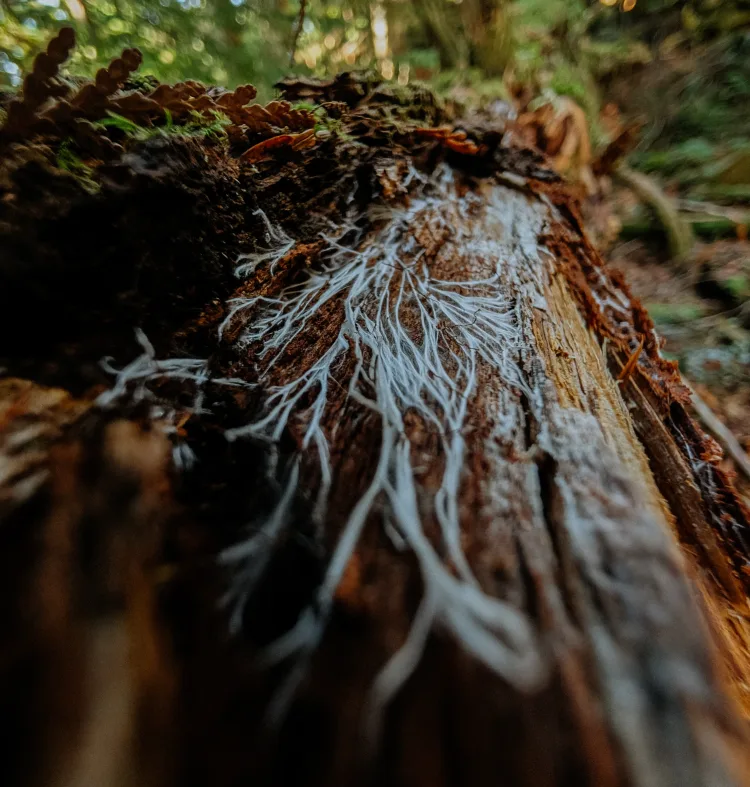
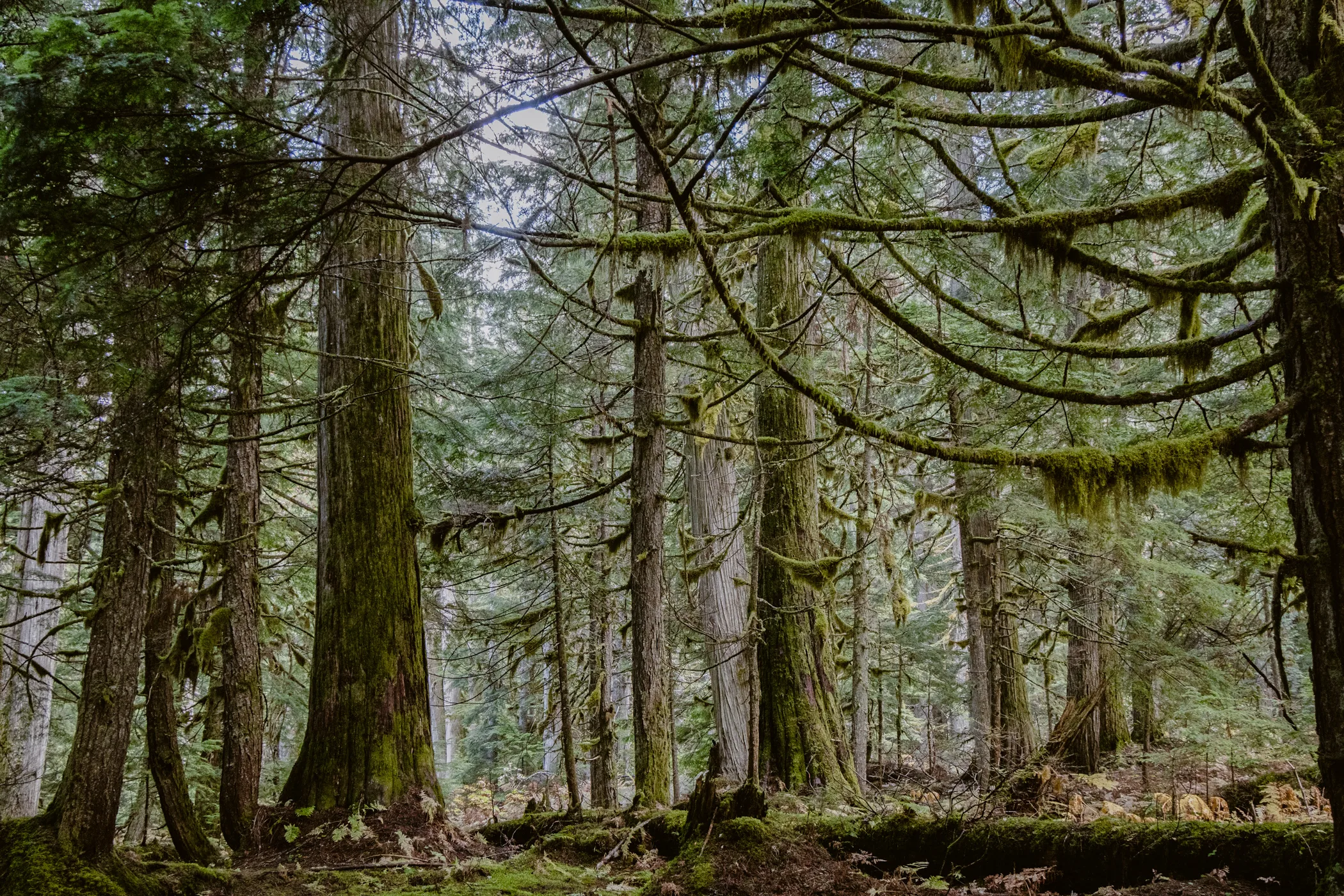
This October, Wildsight took a dive into the mysterious and magical world of fungi and slime moulds in what’s known as a MycoBlitz — a community science hunt for mushrooms. We visited one of the last remaining pockets of intact old growth in the Inland Temperate Rainforest north of Revelstoke, the Rainbow-Jordan Wilderness.
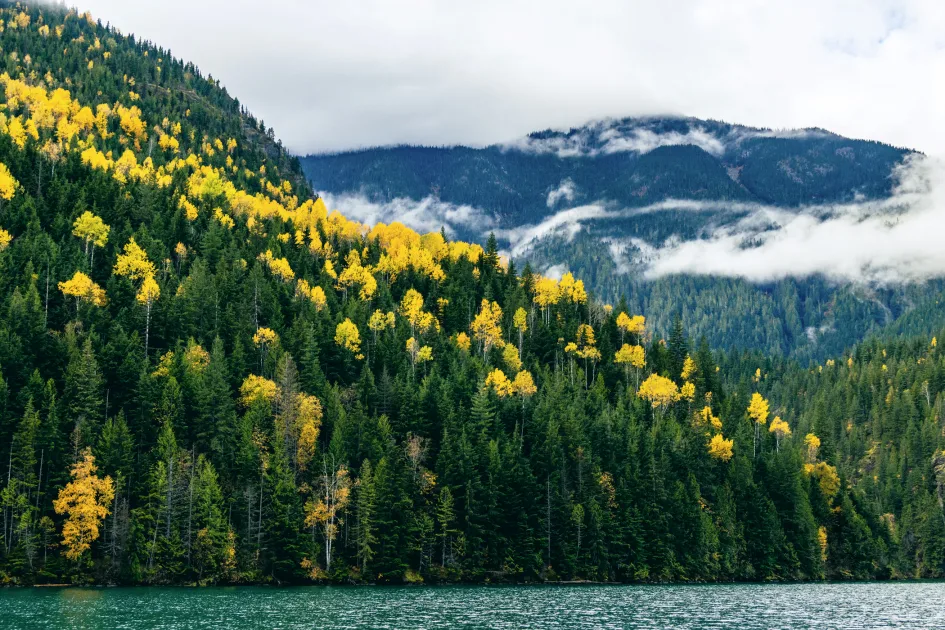
As we cruised across Lake Revelstoke, we were rewarded with stunning views up the Rainbow Valley, with snowy peaks and mist shrouding the ancient forest.
For this trip, we called in the experts:
leading mushroom and slime mould specialists Tyson Ehlers, Ryan Durand and Brian Bookhout from the Kootenay Mycological Society.
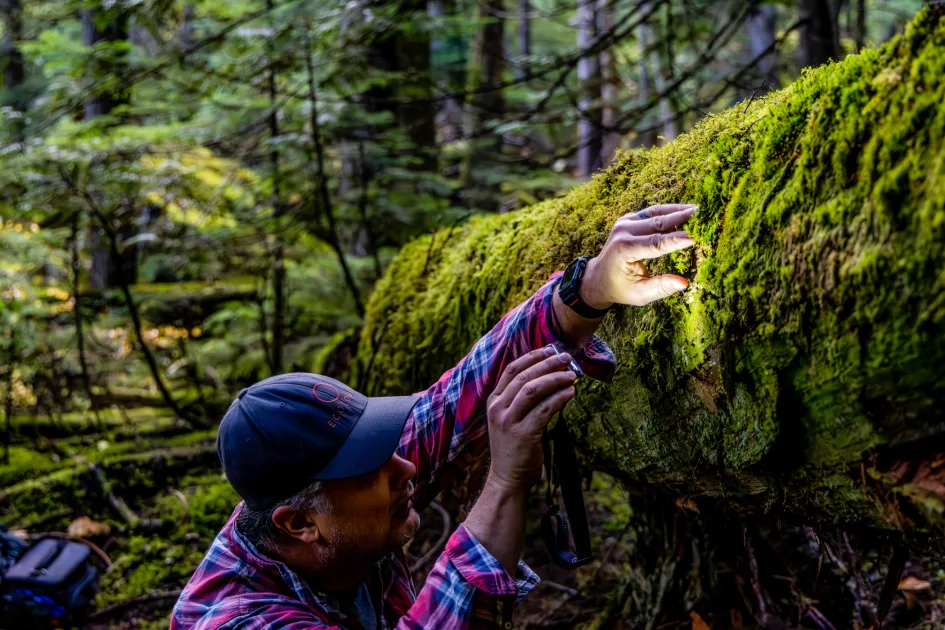
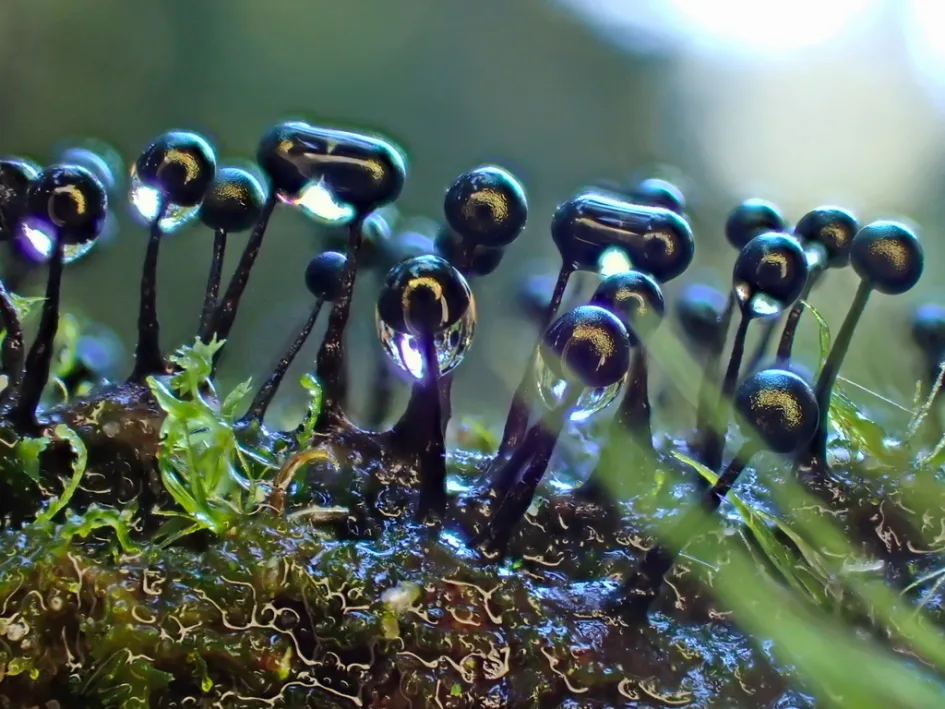
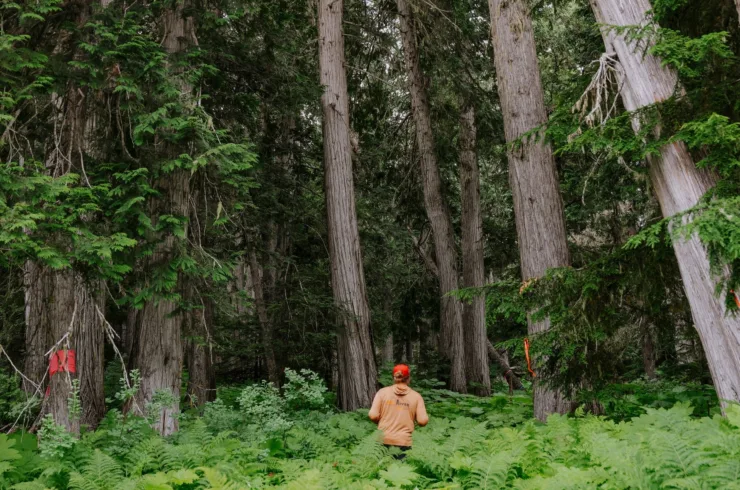
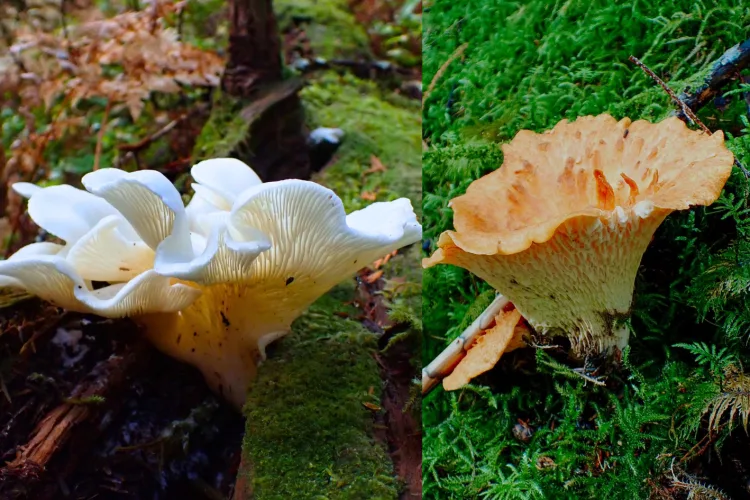
Once under the canopy, the diversity of mushrooms was hard to miss. They came in all colours, shapes and sizes, and we spent an entire day wandering the forest.
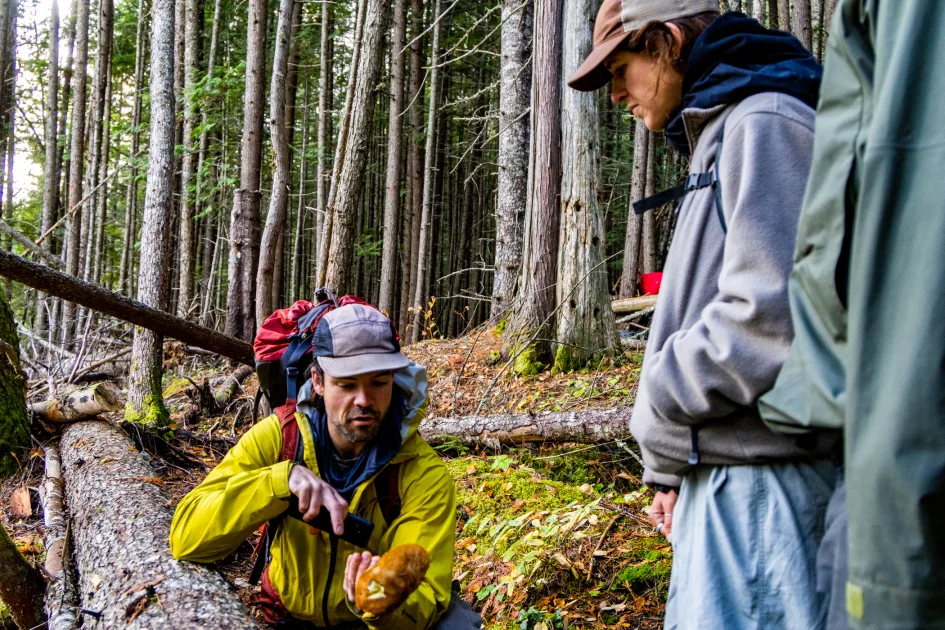
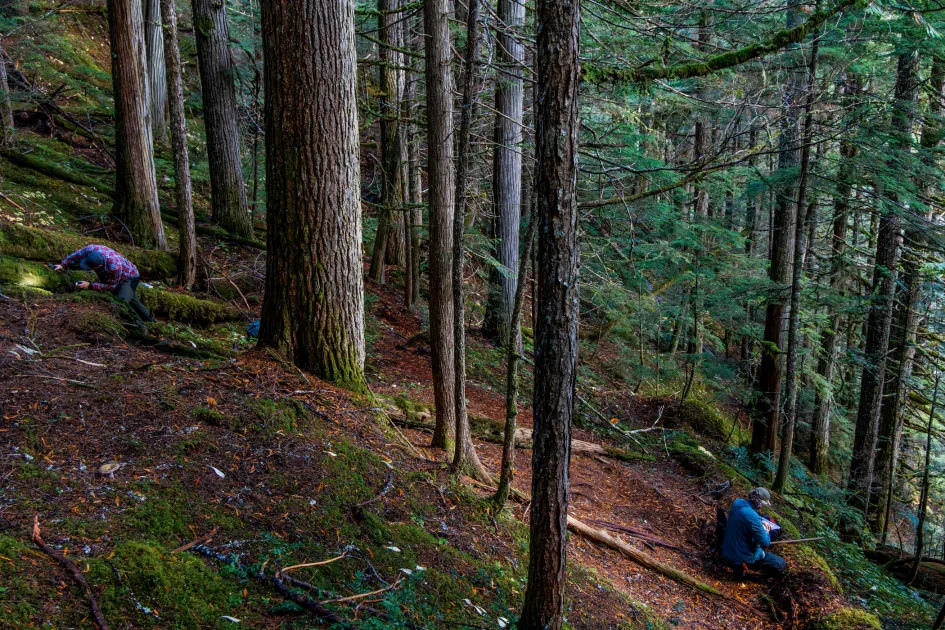
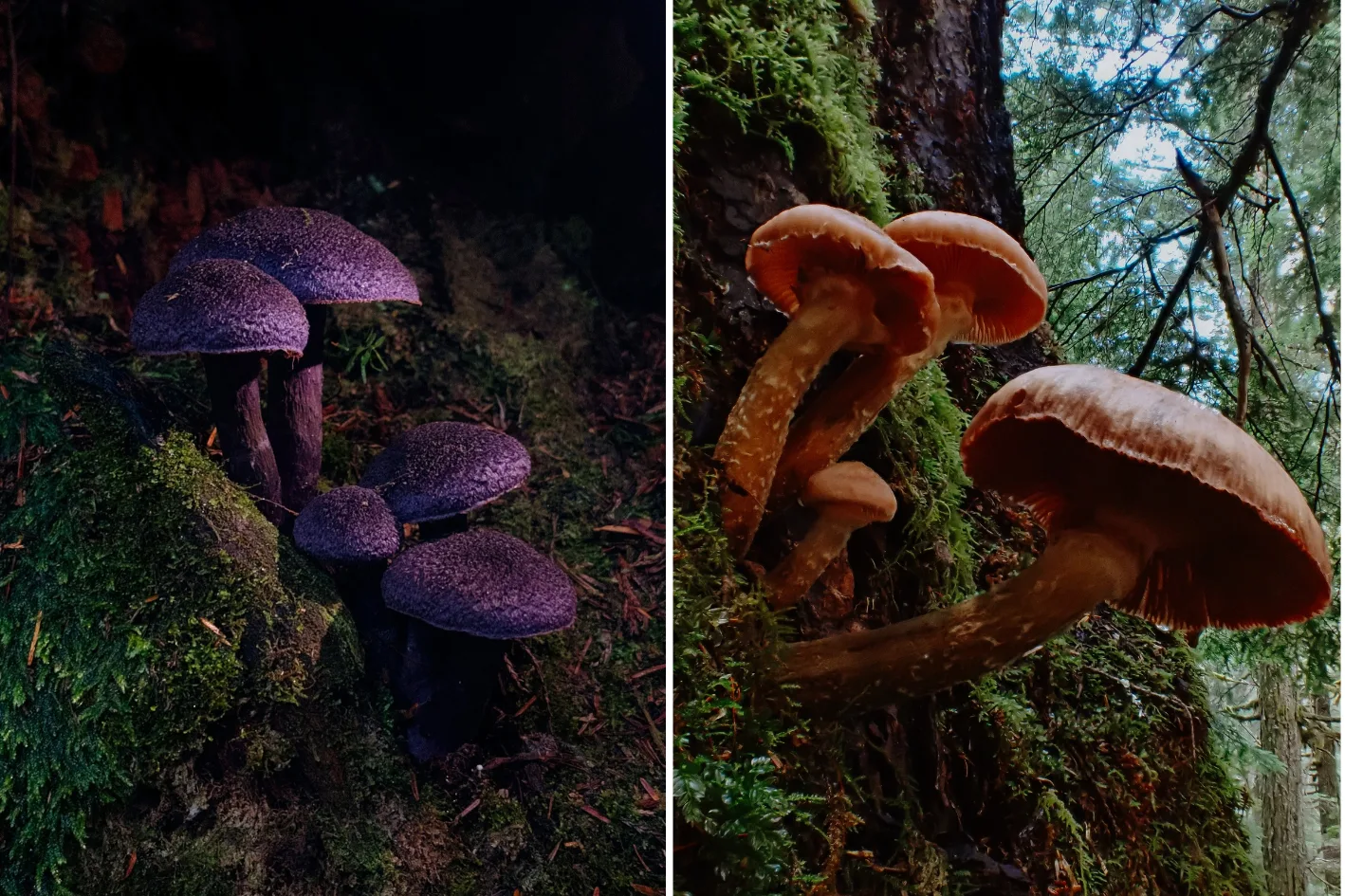
The team took photos and recorded observations on iNaturalist, an online biodiversity platform and social network. We collected samples to validate species and add to the provincial MycoMap project. To our knowledge, this is the first mushroom survey carried out in the Rainbow Valley.
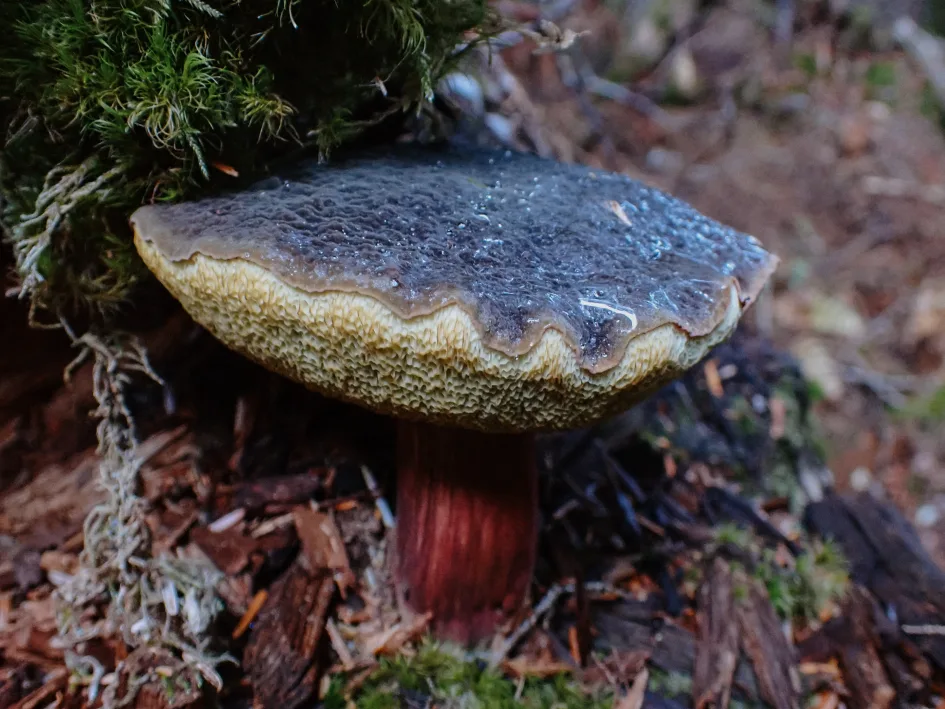
And while the deep violet Waxycaps are always fun to find, it was the slime moulds that really stole the show.
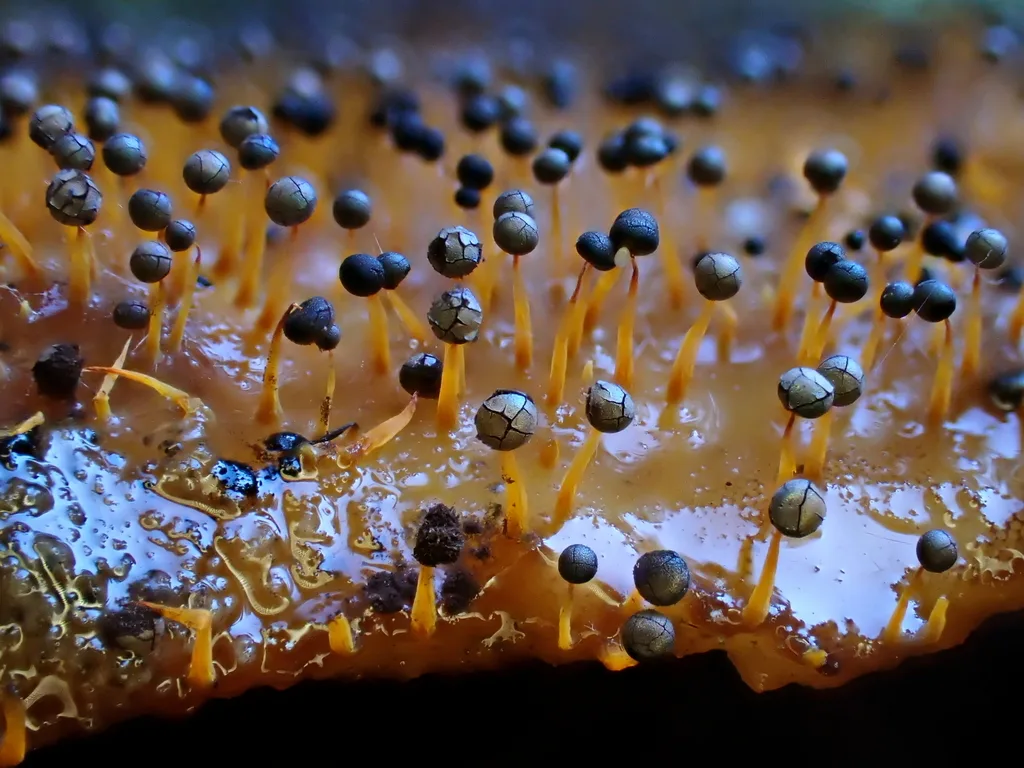
Large fallen trees, known as nursery logs, turn into a treasure trove of different slime mould species.
These often brightly coloured organisms are some of the oddest and most fascinating species in the rainforest. Lab research has suggested that some slime moulds might have memory, and are capable of learning and problem solving.
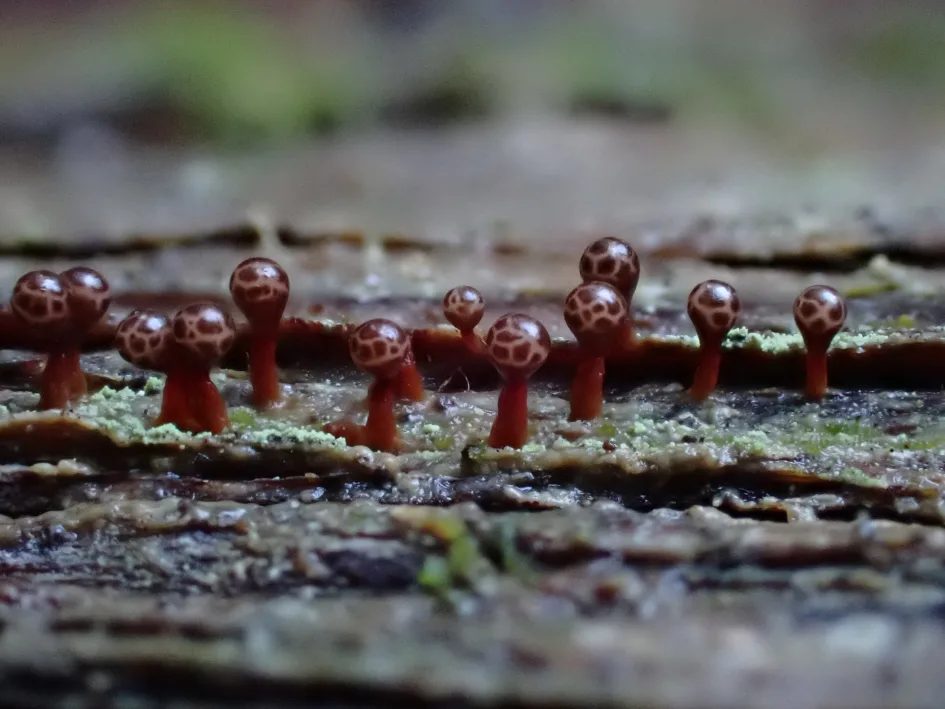
Tyson and Ryan made some of their own exciting discoveries. Alongside some rarely found species, they may well have discovered some new ones —never before seen in British Columbia. At least one of these has been identified as Tubifera digitella, a rare species worldwide, previously only known in Japan.
We’re just beginning to scratch the surface of understanding the Inland Temperate Rainforest ecosystem and the species found there, making it even more important for the ancient forests within the Rainbow-Jordan Wilderness to be protected.