charcoal-charged change
Wildsight and partners are exploring the feasibility of producing biochar from forestry waste as part of a broader Wildsight initiative to help rural communities build economic resilience while responding to climate change.
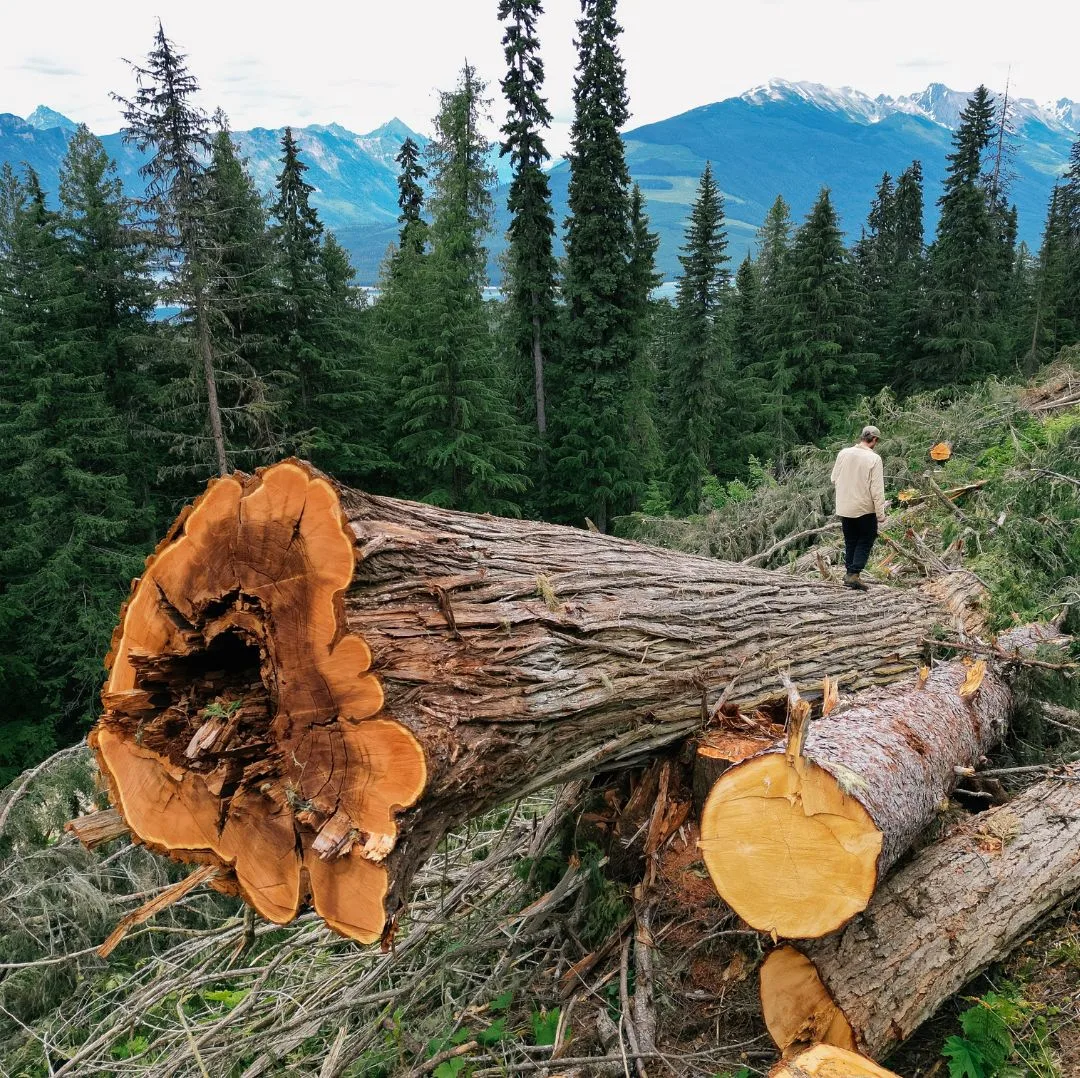
Biochar is a form of carbon-rich charcoal that can enhance soil health for more productive agriculture, and sequester carbon from the atmosphere. If feasible, it could offer a productive way to transform the piles of slash that logging operations and wildfire risk reduction projects leave behind, which would typically otherwise be burned.
Last year, Youth Climate Corps crews from the East and West Kootenays supported a pilot project through wildfire risk reduction work near the communities of Creston and Wynndel.
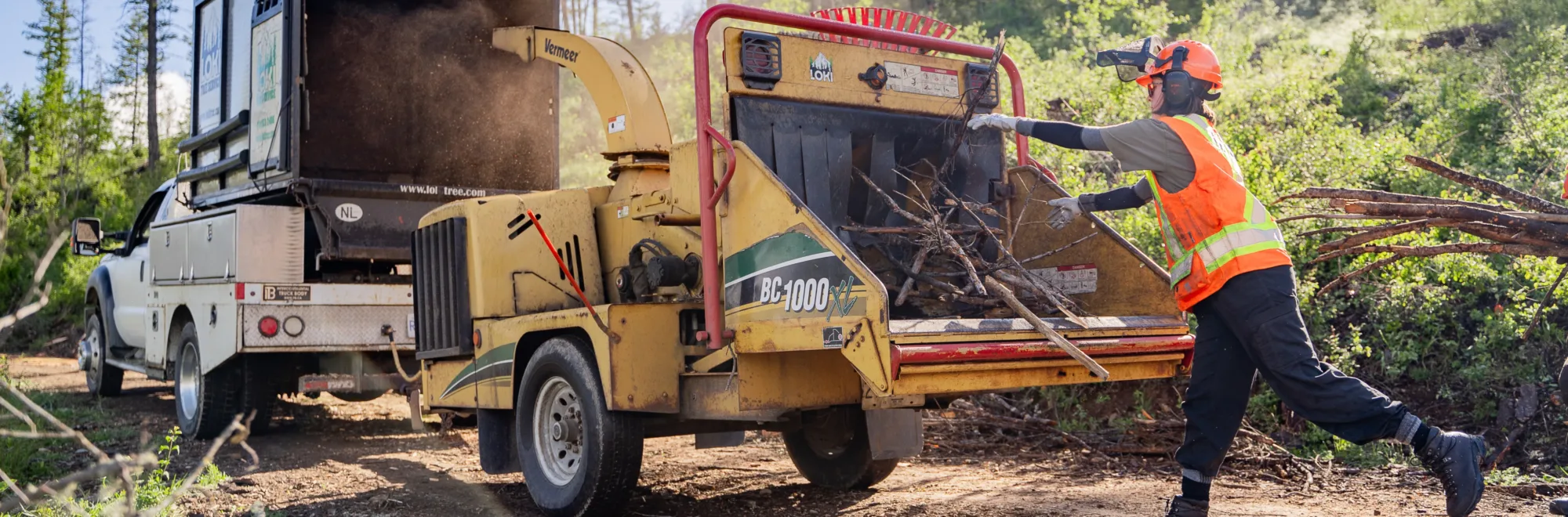
In partnership with the Creston Community Forest, the two crews cleared woody debris across 3.6 hectares of Goat Mountain. Instead of burning, some of the debris were chipped and delivered to local farms, where they were used for mulching fruit trees, landscaping and composting, putting the principles of a circular economy into action. This coming year, we’ll be leveling up and producing biochar using specially designed kilns.
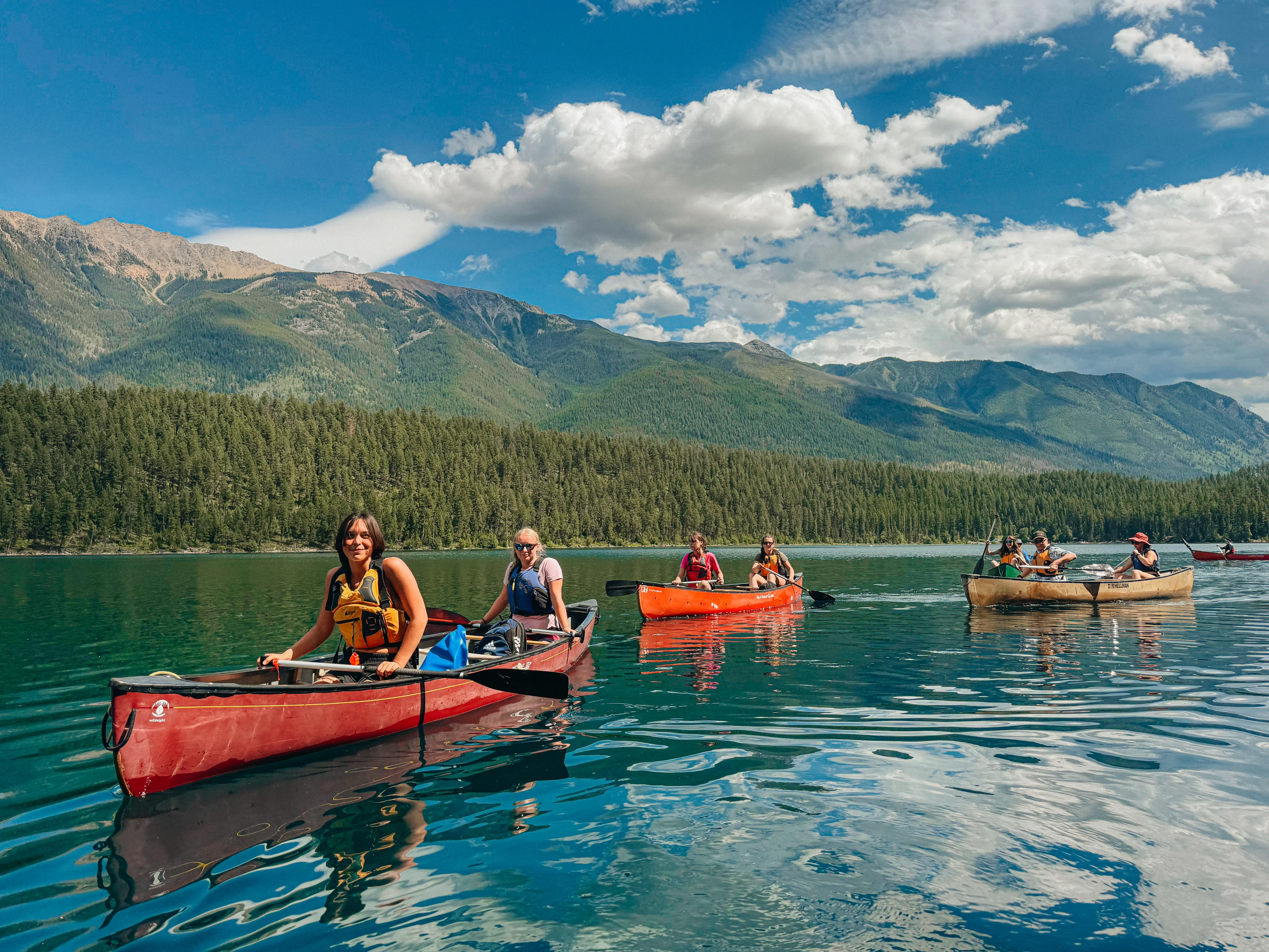
The Youth Climate Corps empowers young adults to not only learn about the climate crisis, but also what steps they can take to help turn the dial back — all while getting paid, earning qualifications, and gaining skills and experience for their future career.
seeds of hope
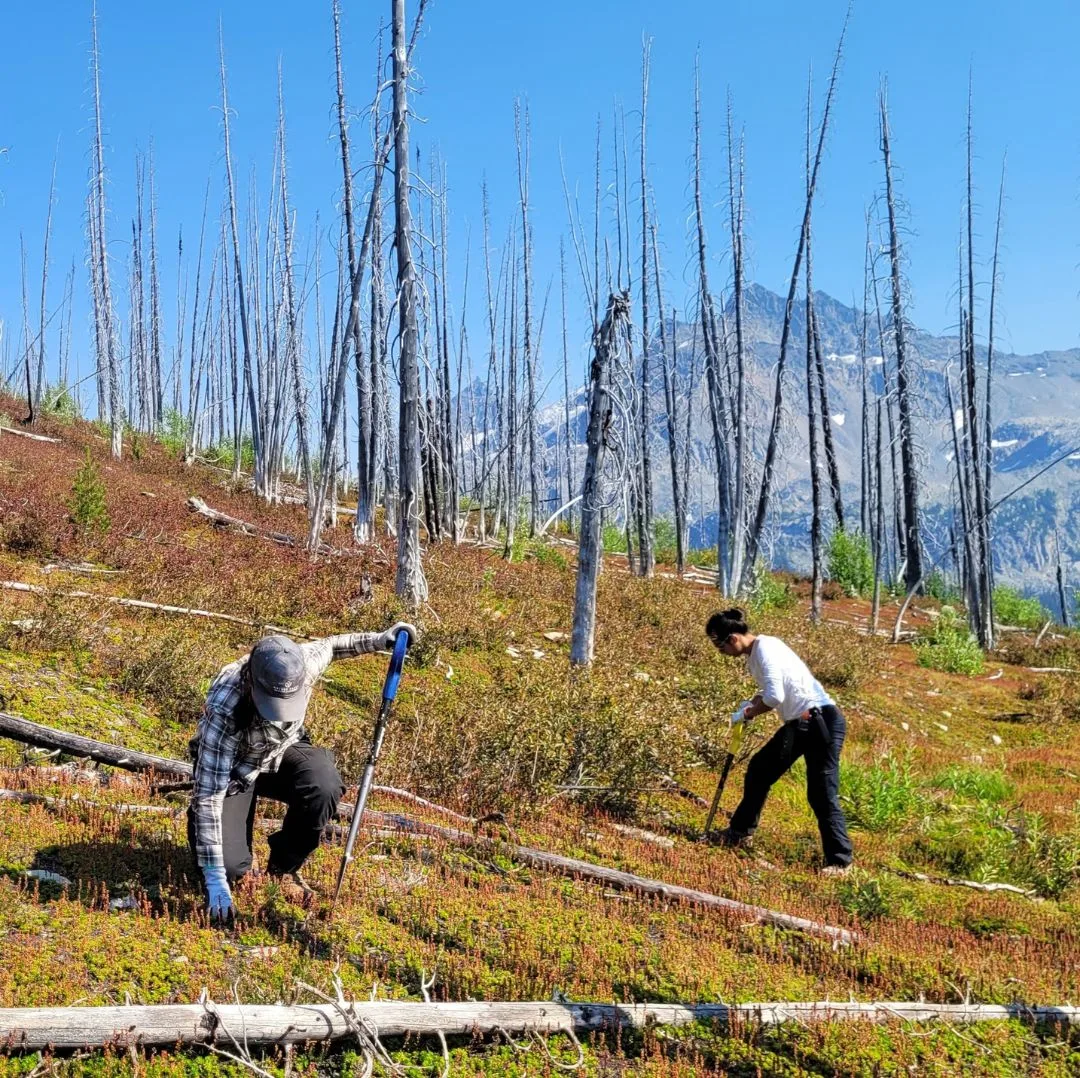
Last fall, the East Kootenay Youth Climate Corps planted approximately 2,000 whitebark pine seedlings across two recently burnt sites in the southern Rockies and Purcells. This restoration work is part of an ongoing effort to protect whitebark pine, an endangered species that is threatened by white pine blister rust, mountain pine beetle, forest fires, and a changing climate.
Whitebark pine is a keystone species that provides food for many animals, including Clark’s nutcrackers and bears. Its root systems help stabilize soil and snow, and prevent erosion.

community ambassadors in training
The West Kootenay Youth Climate Corps partnered with the Regional District of Central Kootenay to promote five regional climate resilience programs: FireSmart, emergency preparedness, water conservation, waste diversion and regional energy efficiency. The crew delivered 12 informational sessions in collaboration with local community organizations, reaching more than 100 residents from across the most rural areas of the central Kootenays.
This project allowed crew members to develop presentation, organization and collaboration skills while also learning about ways that the government can support climate action at the local level.

restoring a local creek
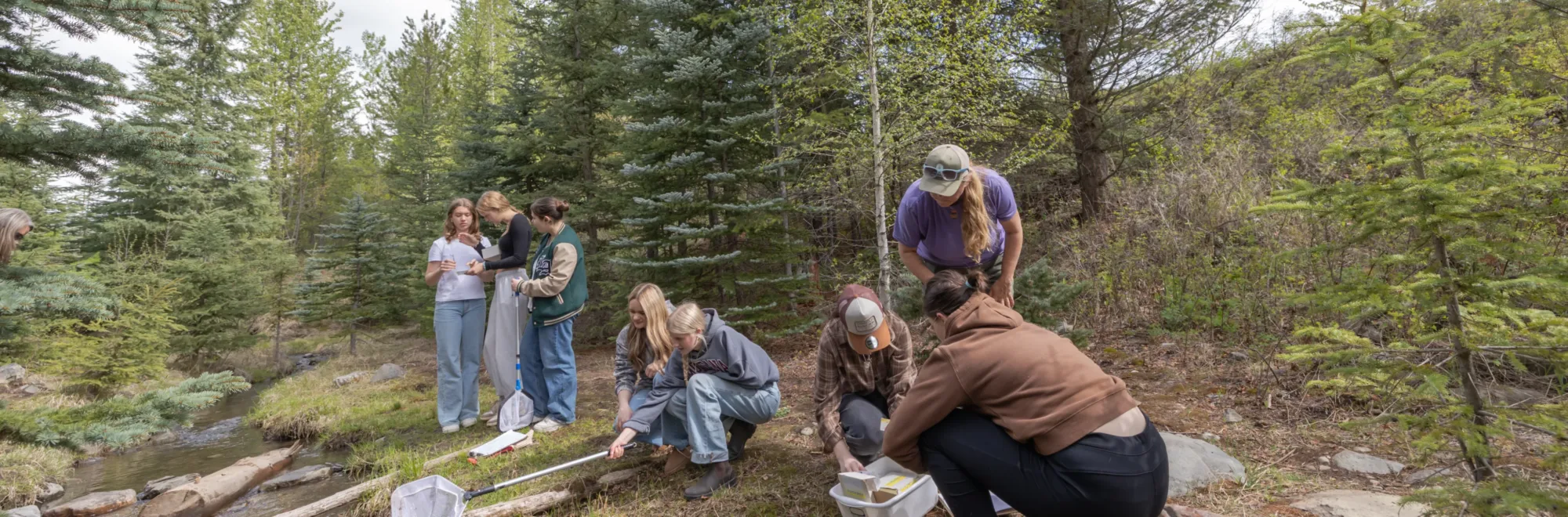
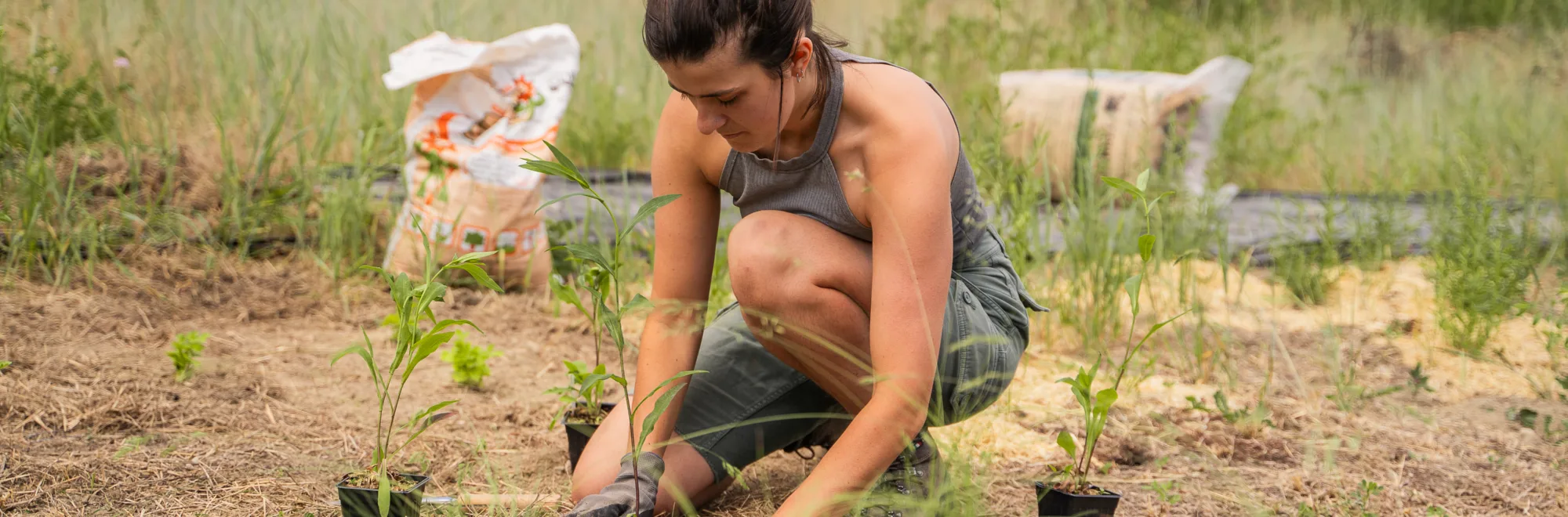
Restoring Kimberley’s Lois Creek has been a flagship project of the East Kootenay Youth Climate Corps for several years. Two years ago, crew members planted more than 3,000 native plants.
The 2025 crew played a crucial role in ensuring these native plants have the best possible chance of survival by removing invasive species such as hawkweed, Canada thistle and spotted knapweed to prevent their seeds from dispersing in the restoration site. They also planted more than 1,200 native trees, forbs, and shrubs as part of continued restoration efforts.
branch highlights
Wildsight’s six autonomous branches worked directly within their local communities to empower environmentally sustainable lifestyles and protect the wild. These are just a few of the diverse projects they worked on — to find out more, support their work or get involved, visit the branch pages linked below or find them on social media.
rainforest awareness
Wildsight Golden ran several events to help raise awareness about the community’s nearby ancient rainforest, including measuring big trees and miniature mushrooms, and hosting public talks and a film screening.
watershed dialogue
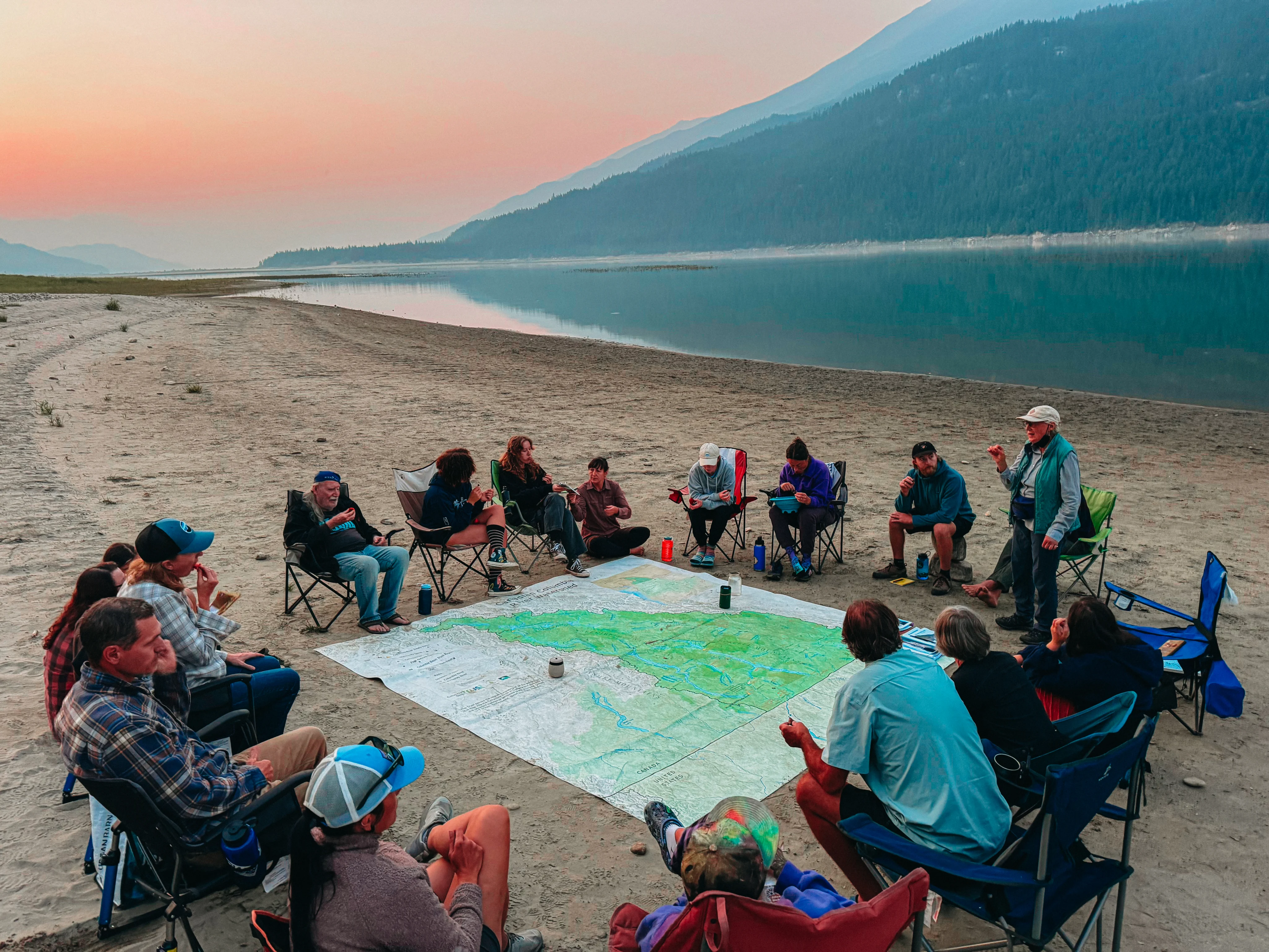
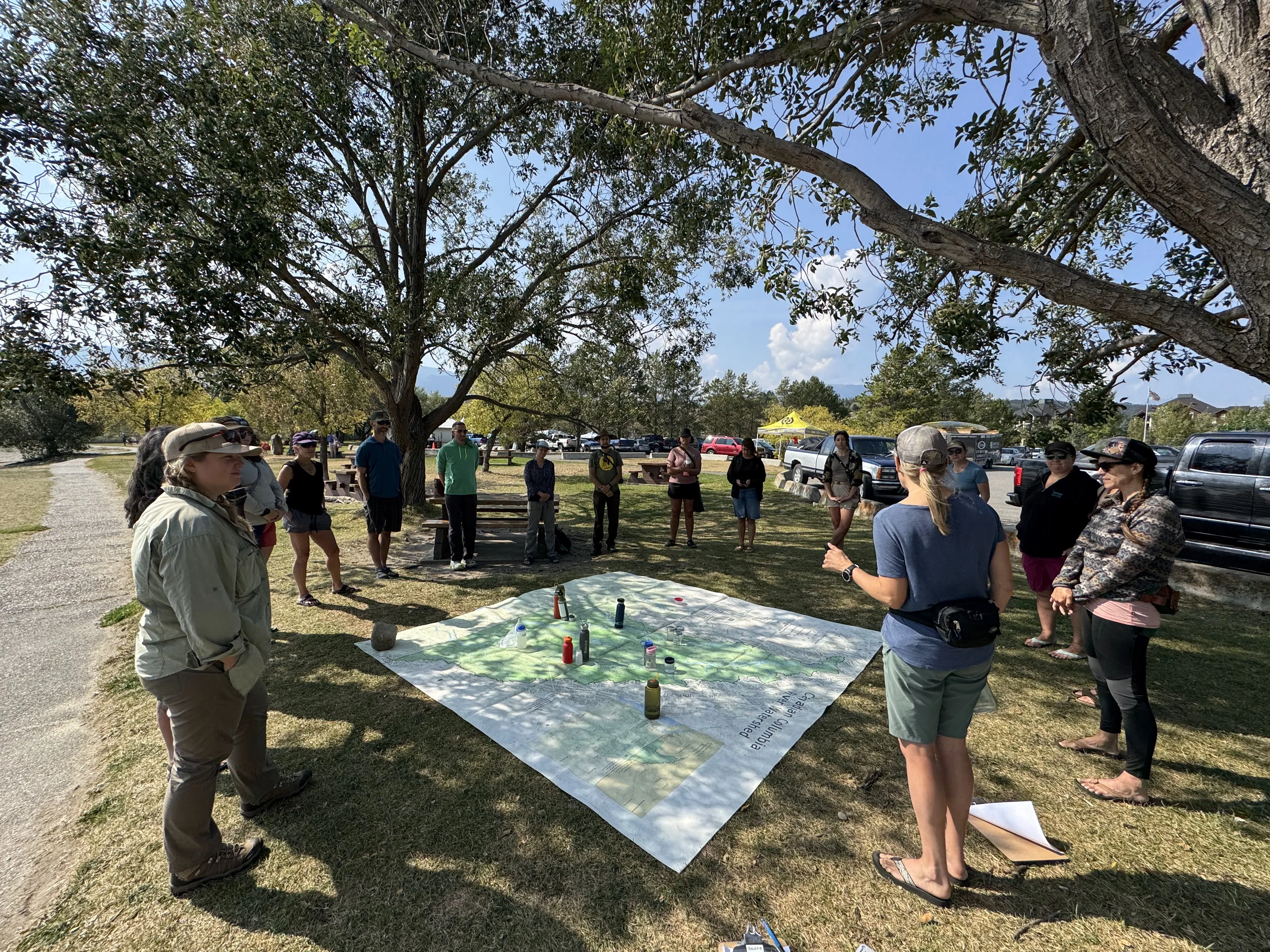
Wildsight Invermere invited the public to come together with experts from a range of disciples to answer the question: how can we better manage the impact of recreation on our waterways?
restoring habitat connectivity
Wildsight Creston undertook an ambitious project involving several work bees to take down old, hazardous barbed wire fencing, which can block animal movement, fragment important habitats and injure wildlife.
safe passage for toads
Wildsight Revelstoke installed two new wildlife culverts beneath a busy road to help Western Toads, a species-of-concern, cross safely during their spring mating migration, and later in the season.
celebrating local food
About 60 people came out to celebrate local food at Wildsight Elk Valley’s annual Harvest Dinner. The feast for the senses included fresh, colourful potluck items, live music, and heart-warming conversations.



 Robyn Duncan,
 Brian Conrad,