

Water
Water is important to our ecosystems, to our health, to our food systems, economy, recreation, power, culture and quality of life. Water quality, quantity and timing are all intimately linked to activities that take place in a watershed. This means that land management practices in urban areas, backyards, forests, agricultural lands and industry affect the water in your local creeks, wetlands and lakes. We share water with a large number ‘user groups’ such as swimmers, fish, downstream drinking water users, agriculture, power producers and more. Water can be threatened by pollution, climate change, over-extraction, poor land management and aquatic habitat alteration to name a few. Wildsight Creston Valley works to protect and conserve water to ensure the availability and quality for all living beings for generations to come. Here are the current programs where we give water a voice in the Creston Valley.
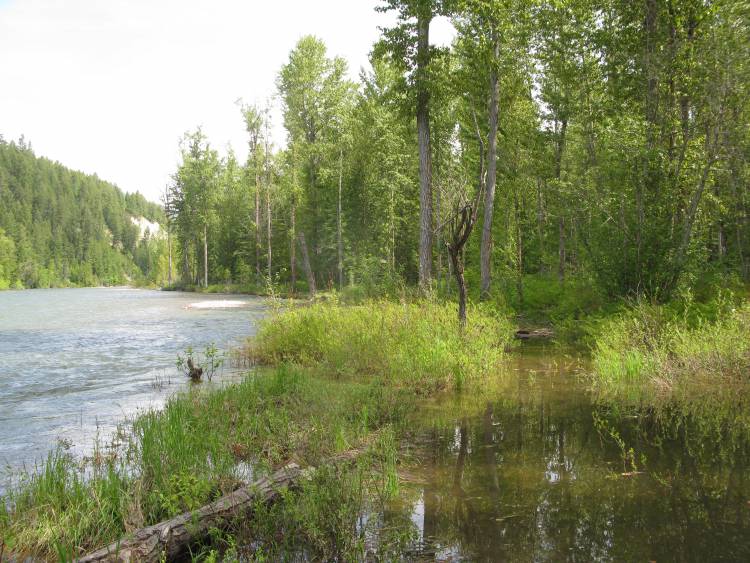
Water Monitoring
Water Quality
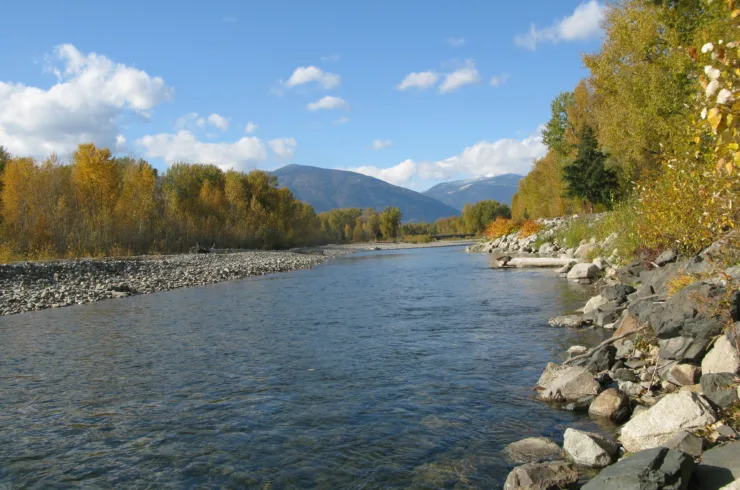
From 2020-2024 we’ve used the Water Rangers kits to sample about once per month during spring-fall on the Goat River. We typically have 2-5 volunteers that come help with this program every season (May-October). This is a citizen science based monitoring program and is meant for community members to get involved. 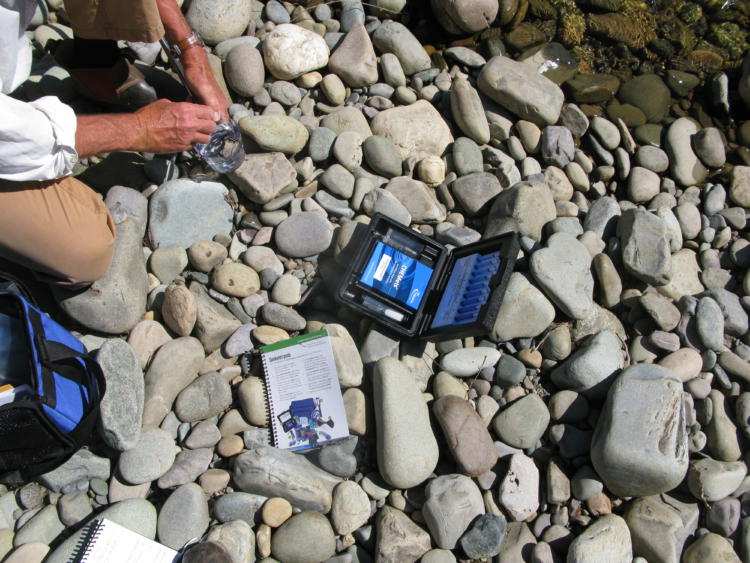 Water Rangers results can be found here.
We also have additional data taken using field meters from May to October 2022-2024. That can be found on the Columbia Basin Water Hub.
Biomonitoring
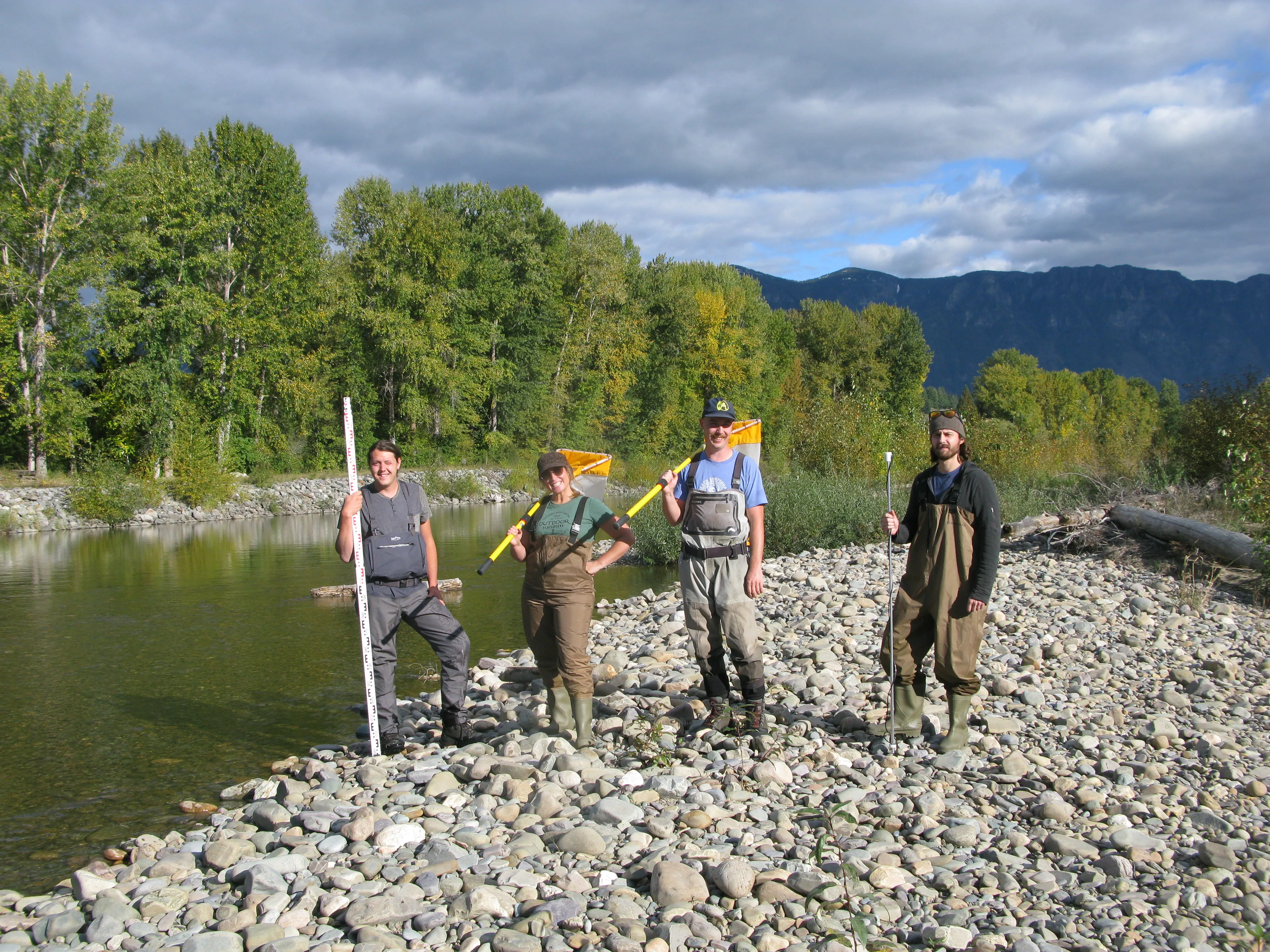
Wildsight Creston took CABIN (Canadian Aquatic Biomonitoring Network) samples from 2022-2025 on the Goat River. In 2024 we collaborate with the Creston Valley Rod and Gun Club to take CABIN samples on Summit Creek.
This type of sampling collects aquatic bugs (benthic macroinvertebrates) that live in the water. Benthic macroinvertebrates are affected by many water stressors and they can be used as an indicator of health of of a waterbody. CABIN is a rigorous and standardized scientific method that is used across Canada to measure watershed health.
 CABIN Results can be found here:
- 2022 CABIN Goat River– mildly divergent
- 2023 CABIN Goat River– mildly divergent
- 2024 CABIN Goat River– highly divergent
- 2025 CABIN Goat River– highly divergent
- Lab Water Chemistry results taken during CABIN sampling can be found on the Columbia Basin Water Hub
We also participated in Sequencing The Rivers for Environmental Assessment and Monitoring (STREAM) in 2022 and 2023 on the Goat River. The main objective of STREAM was to generate baseline benthic macroinvertebrate
DNA data from across Canada.
STREAM Results can be found here:
- 2022 Goat River STREAM Report
- Macroinvertebrate Bioindicator Families Guide v1.2
- 2022 Goat River STREAM data
- 2023 Goat River STREAM data
Reports
- Report on water quality sampling and CABIN results for 2022-2024 is available here. If you want the short version visit this blog post.
- Report of CABIN 2025 is available here. If you want the short version visit this blog post.
Watershed Management
Wildsight Creston is actively working to protect water resources through forestry management, watershed preservation, and support for a water sustainability plan. Wildsight Creston collaborates with local interest groups, First Nations, and government, to give feedback on forest management policies, to address biodiversity, habitat connectivity and water concerns. In the Duck Creek watershed, we have been reviewing logging plans since 2022. We have collaborated with many local stakeholders and have made recommendations for more sustainable practices. This issue is ongoing and we continue discussions to achieve better outcomes. Additionally, we are supporting Yaqan Nu?kiy and RDCK’s request for a ministerial order to develop a water sustainability plan for the Creston Valley under the Water Sustainability Act.