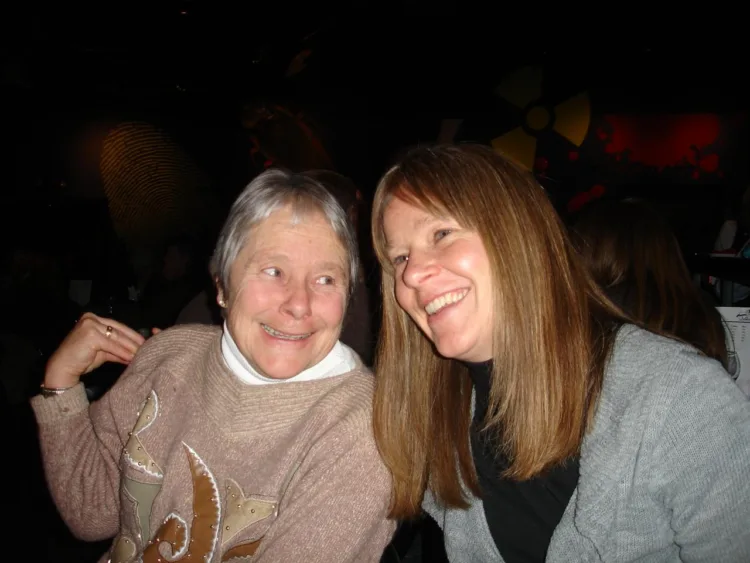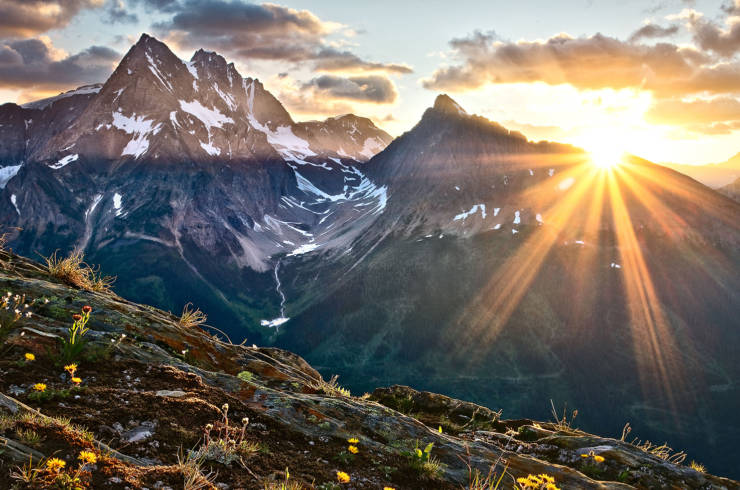


Marjan Patterson’s gift for the wild honours the legacy her parents left and continues the work they started more than 50 years ago.
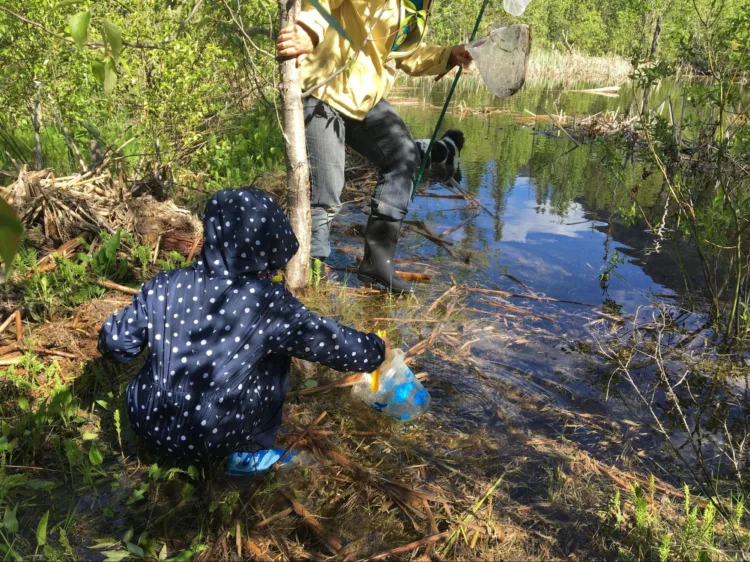
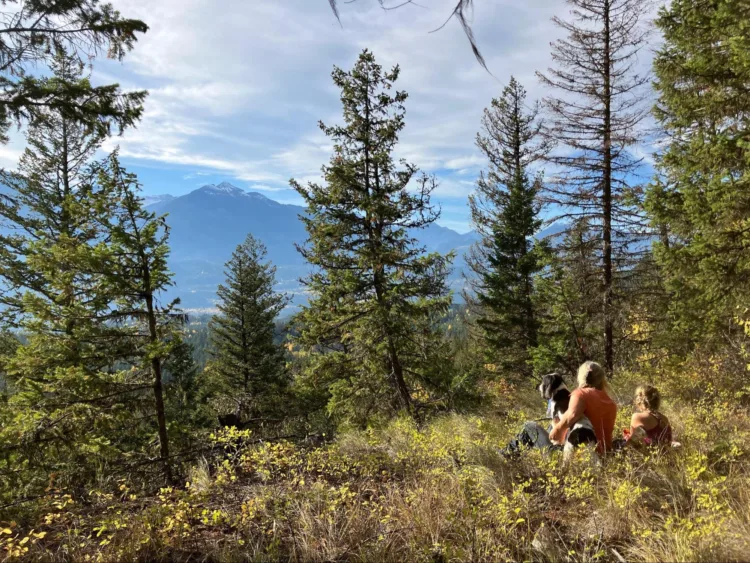
Watching her granddaughter play with bugs and explore the natural world, Marjan can see it — the foundation her parents built is now thriving in the next generation. This legacy started with love, was lived through action, and is now carried forward through a choice that ensures what matters most to this family continues on through the power of giving.
Seeds of stewardship
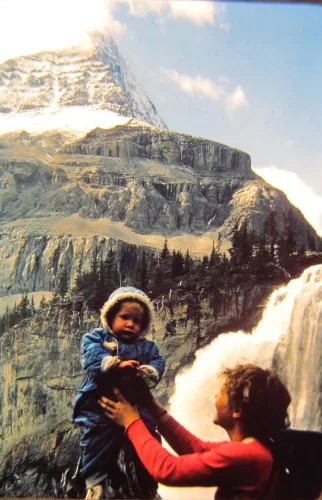
The story of this legacy begins in 1968 when Dr. Leif-Norman Patterson and Marijke Patterson moved to Golden, British Columbia, with their two young children: Marjan and Tor. The Pattersons bought a homestead about 20 kilometres south of town, with forests, wetlands, and waterways blanketing their 61-hectare property.
“They fell in love with the beauty of it,” Marjan says.
While his career was a university mathematics professor, her father’s heart lay in the mountains. Leif was a climber, with major first ascents to his name. But living in the Columbia Valley, Leif and Marijke felt compelled to do more than just enjoy the beauty of nature that surrounded them.
As her mother later wrote, “Our idea of living here was to enjoy our privacy in the peace of our surroundings. We could not help but feel we had to get involved and protect what we so appreciated.”
In 1971, that conviction helped spark the creation of the community’s first environmental organization: the Columbia Valley Naturalists. This new nonprofit with its handful of members pushed for change at the local level.
“We wanted to be constructive rather than mere protestors,” they wrote.
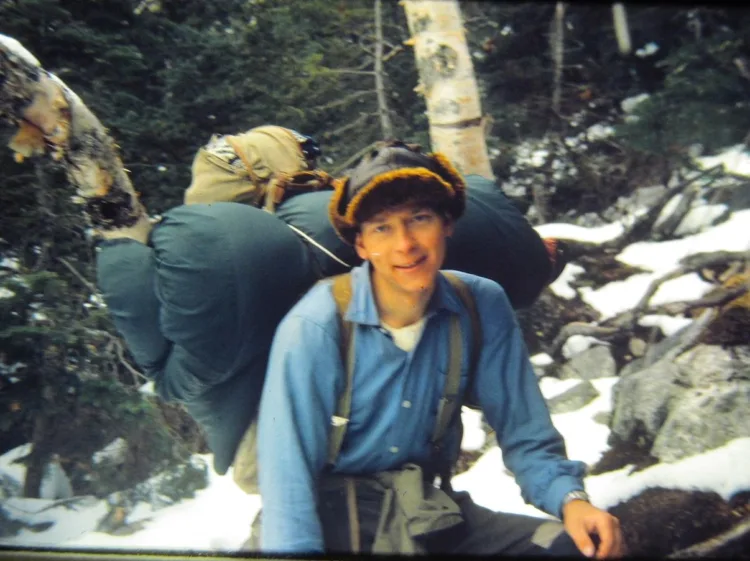
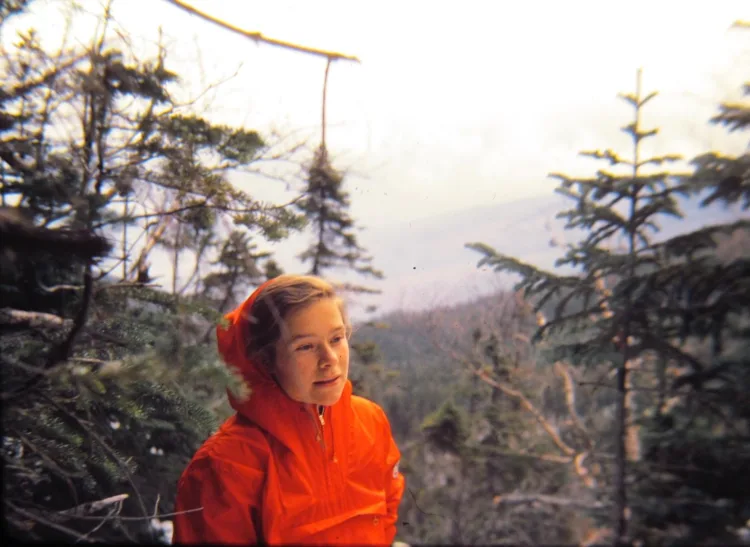
Family ties
Marjan’s father played a leading role in shaping that vision. He did not advocate for stopping development altogether, instead wanting to change how it was done to become more sustainable.
“It wasn’t black and white,” Marjan explains. “He wasn’t against logging. He wanted to look at the practices; he wanted to protect our watersheds.”
Long before terms like ‘sustainability’ became common, Leif was raising concerns about clearcutting, watershed degradation, and the long-term impacts of large-scale development. He wrote letters, organized conferences, and worked to bring scientists and decision-makers together.
Tomorrow’s leaders
Hand-in-hand with the advocacy work, Marjan’s parents saw that the future lay not just with changing practices, but also leading the next generation to appreciate the beauty of it all.
“One of the things [my father] always said was, ‘We have to practice what we preach,’” Marjan recalls. “He felt that we can’t just work on conservation efforts such as writing letters and advocating for wilderness areas and recreation, if we don’t also bring our youth out to experience it.”
In the summer of 1971, her parents launched a small children’s camp on their property. For two weeks at a time, local kids would canoe, hike, climb, and sleep under the stars.
“He just really believed we have to get you out there,” Marjan says. “You have to experience it in order to protect it.”
The camp only ran for a few years before funding dried up. But its impact lasted far longer. Years later, Marjan saw children from those camps become adults that continued to support conservation.
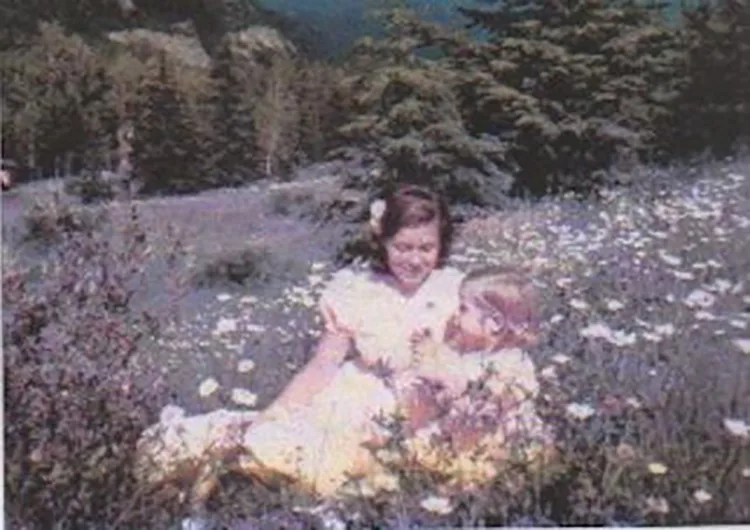
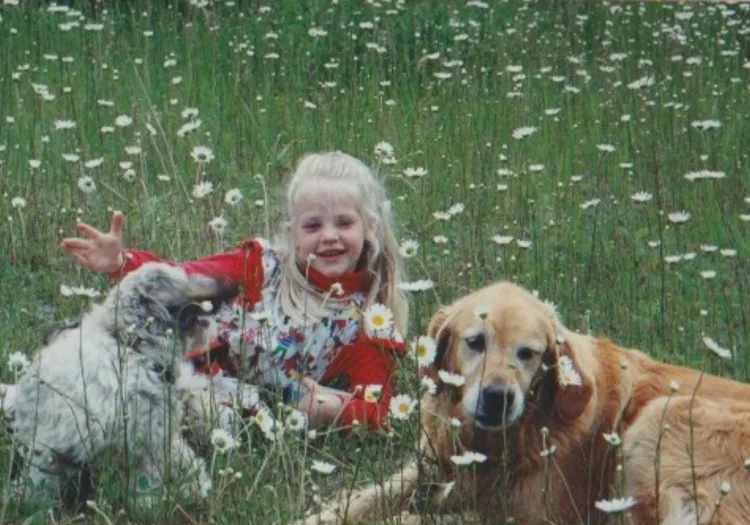
Growing up
Marjan’s parents gave their time freely; organizing, advocating and volunteering, often at the expense of financial stability. Their work also set them apart in a community where environmental concerns were often seen as a threat to livelihoods.
“There was a huge personal cost,” Marjan reflects. “It ostracized them in the community.”
In 1976, tragedy struck when her father and brother died in an avalanche while attempting Yoho Park’s Chancellor Peak. Marjan was only 9 years old.
Her mother carried on raising Marjan while navigating financial uncertainty, eventually building a life as a massage therapist back in Golden. Though she could no longer take on the same level of advocacy, she stayed connected to the work.
For Marjan, the lessons of her childhood never faded.
“Nature is still my go-to,” she says. “It gives me clarity, strength, and creativity.”
She became a teacher, bringing those same values into her classroom and prioritizing hands-on learning, outdoor experiences, and connection to place.
“This passion has infiltrated everything I do,” says Marjan. “I don’t teach out of a workbook, because you need to be hands-on. To appreciate your community and have empathy, resiliency, and problem solving, you need to learn outside. It happens when you connect with nature.”
Legacy giving
Marjan’s parents gave in the form of their time and energy — and money when they had it. But after her mother’s passing in 2024, Marjan found herself in a position to donate. After selling the family’s beloved property, a decision filled with heartbreak, Marjan chose to make a gift that honoured her parent’s work and ensured it could continue.
Back in 1976, the Columbia Valley Naturalists turned into the Big Bend Resource Council, which later merged with other Columbia Basin environmental organizations to become the East Kootenay Environmental Society. Eventually, this society transformed into Wildsight.
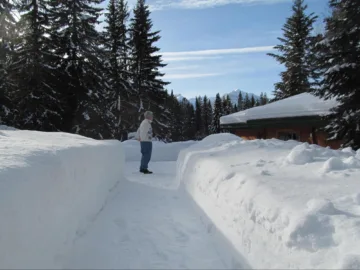
There was no doubt in Marjan’s mind that when she sold the homestead, some of the proceeds would help continue the work her parents started more than 50 years ago.
“What I can do now is give financially so others can carry that work forward,” she says.
Marjan says she and her mom never really talked about legacy giving — the act of making a charitable donation through an estate plan, such as a will or life insurance — because until the homestead sold, there wasn’t a financial legacy to consider. But knowing where her parents’ hearts lay made it an easy decision to turn her parents’ values — instilled in her and her brother from a young age — into lasting impact.
Now, their legacy is supporting Wildsight’s Watershed Matters, a high school program that provides students with hands-on learning about local watersheds.
“If we want real change, we need that stable funding,” she says. “Otherwise, we can’t keep reaching the next generation. Through what I do, through the lives that I touch, that now becomes my legacy too.”
Through her own life, her family, and this legacy gift, Marjan continues the work her parents began decades ago.
“That truly is the gift we give,” she says. “Something that can carry forward.”
By leaving a gift to Wildsight in your will, you will be supporting work that will carry on into the future, and helping to protect what you love. To learn more about how you can leave a legacy for the wild, visit our webpage.