


Historical and contemporary repeat photography from the Mountain Legacy Project reveals how half a century of mountaintop-removal coal mining has altered the geography of the Elk Valley.
Almost 100 years ago, three surveyors— John Macdonald, Arthur Wheeler and William Miller—trekked up mountainsides to photograph the peaks, valleys and ridgelines of British Columbia’s Elk Valley. Their grainy, black and white images capture a landscape that’s still largely intact: there’s some evidence of logging, and a few roads, but otherwise it’s wild, forested valleys and sparsely-treed alpine grasslands as far as the eye can see.
Over the last two decades, the Mountain Legacy Project has set about rephotographing these vistas as part of its mission to document change across Canada’s mountain landscapes. Taken from exactly the same coordinates as MacDonald, Wheeler and Miller’s original images, the series shows the staggering scale of transformation caused by mountaintop-removal coal mining in the Elk Valley.
Where mountains once stood, there is now open air. Where alpine grasslands once provided important winter habitat for Bighorn Sheep and Mountain Goats, there are now slate-grey terraced slopes. Where clear streams once flowed through valley-bottom ecosystems, they are now buried under millions of tonnes of waste rock blasted from the ridgelines above.
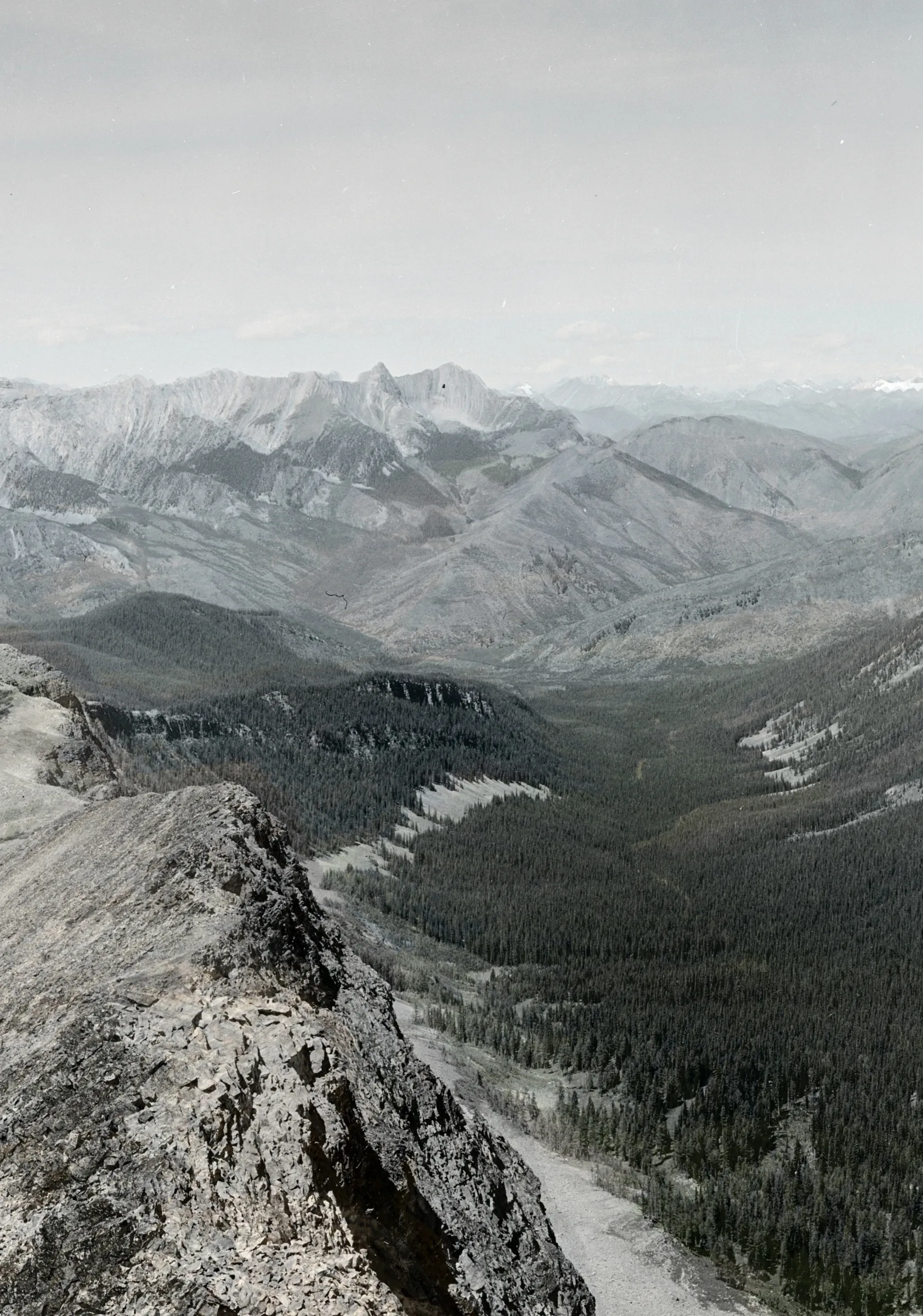
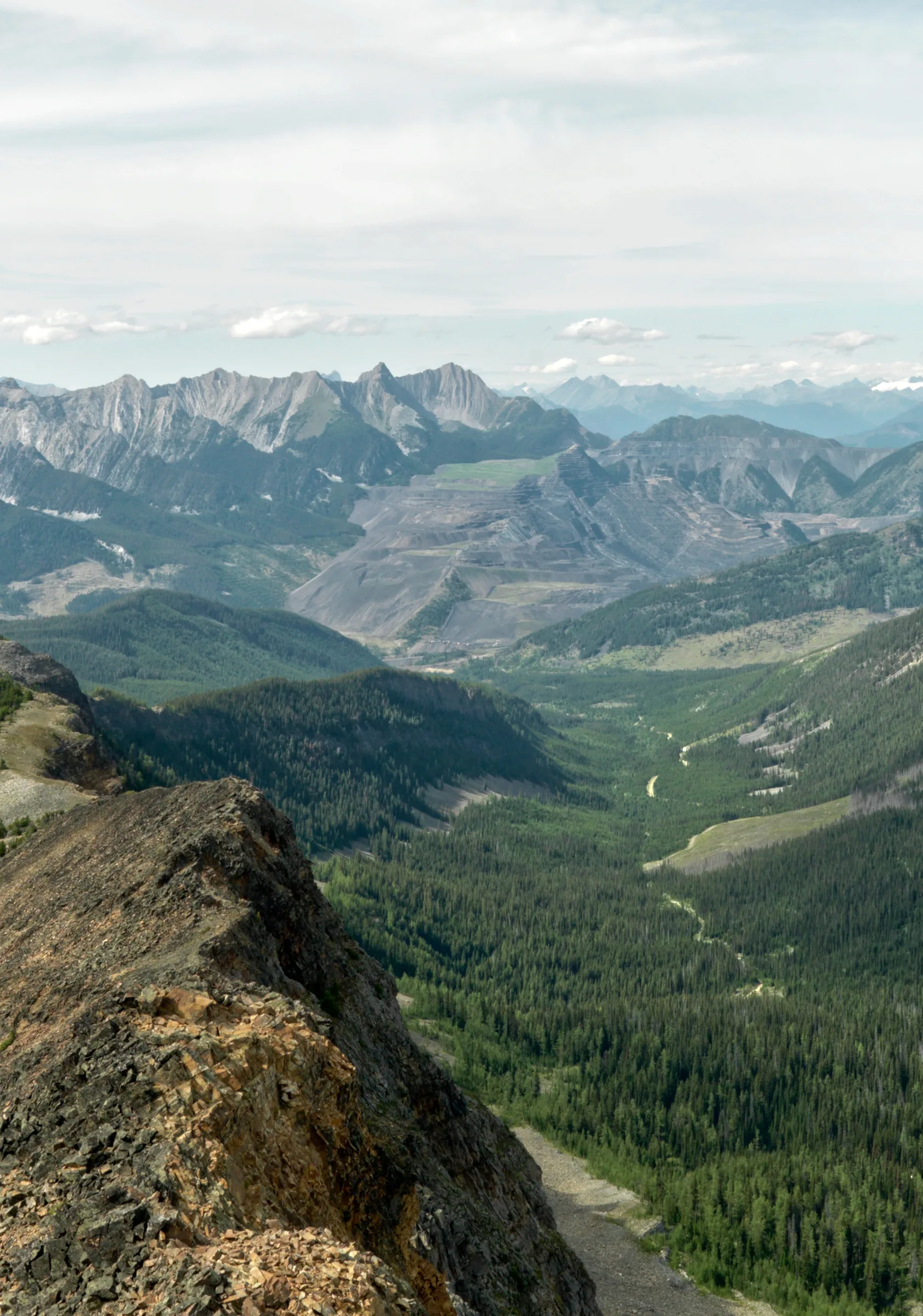
Line Creek Mine: 1915 vs 2008
Coal mining has occurred in the Elk Valley since the 1890s, but it wasn’t until the introduction of mountaintop removal mining practices in the 1970s that the scale of operations really ramped up. By first scouring and then blasting mountainsides, miners were able to access the high-grade coal beneath far more efficiently than they ever could before. Today, Glencore’s four Elk Valley mines produce 80% of Canada’s annual steelmaking coal exports, most of which goes to the Asia-Pacific region.
These photos show the true effects of mountaintop-removal mining in the Elk Valley. Elk Valley Resources’ Line Creek Mine shunted an enormous amount of rock from the ridge into the adjacent valley, burying it entirely and creating the man-made terraced landform.
The Line Creek Mine covers almost 3,000 hectares. As of 2024, 122 million tonnes of rock had been blasted off the mountain and dumped into the adjacent valley in order to access coal.
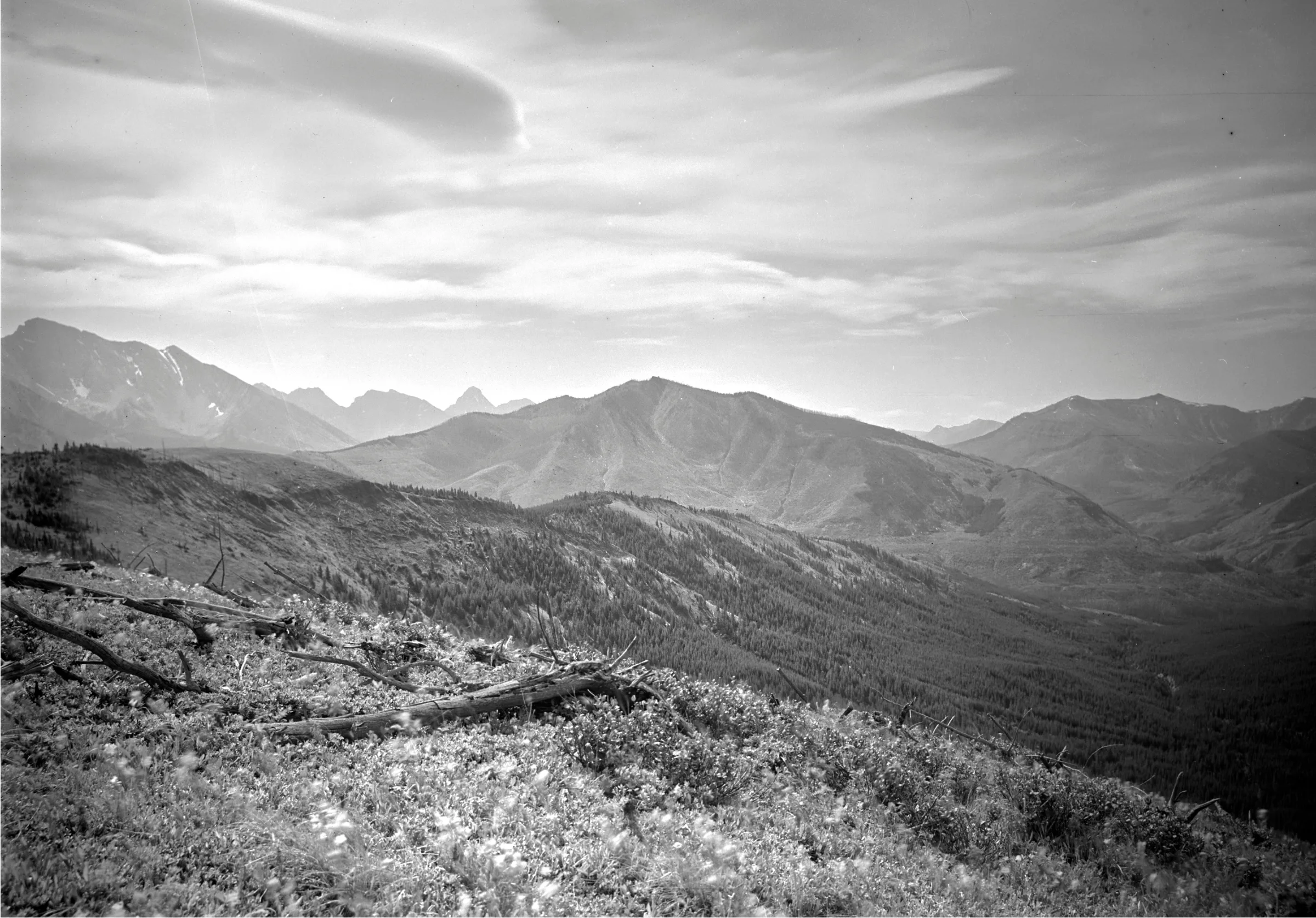
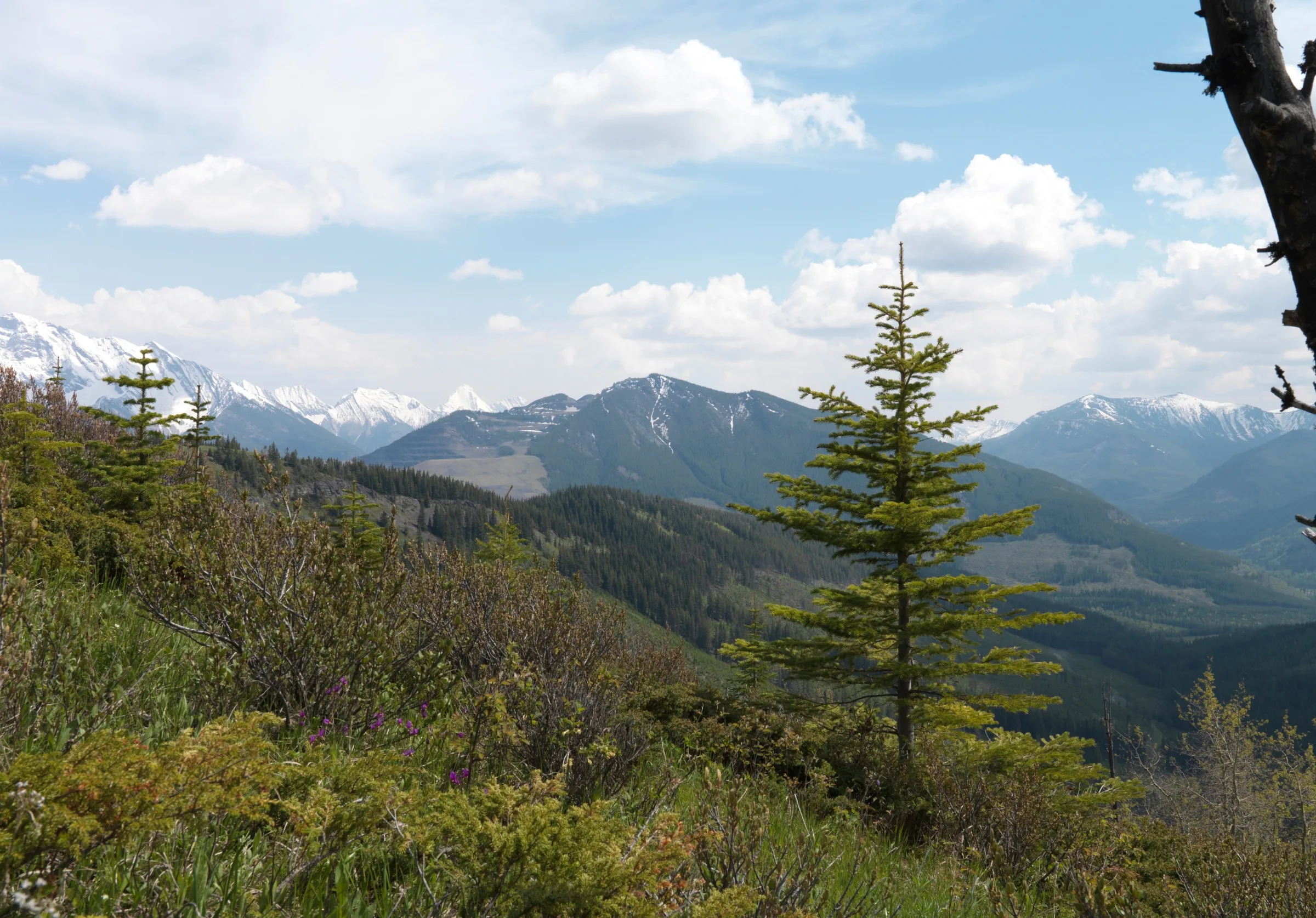
Tent Mountain Mine: 1914 vs 2010
The shuttered Tent Mountain mine, situated just meters east of British Columbia’s border with Alberta and owned by Evolve Power and TransAlta, stopped operating in the 1980s and is still only partially reclaimed.
These photos show a clear change in silhouette to the mountain landscape, and highlight the exposed terraces typical of mountaintop-removal coal mining practices.
Despite closing over 40 years ago, selenium is still leaching from this mine’s waste rock piles and polluting downstream waterways in levels harmful to aquatic life. The Piikani Nation is currently threatening Evolve Power with legal action over this continued and unabated water pollution.
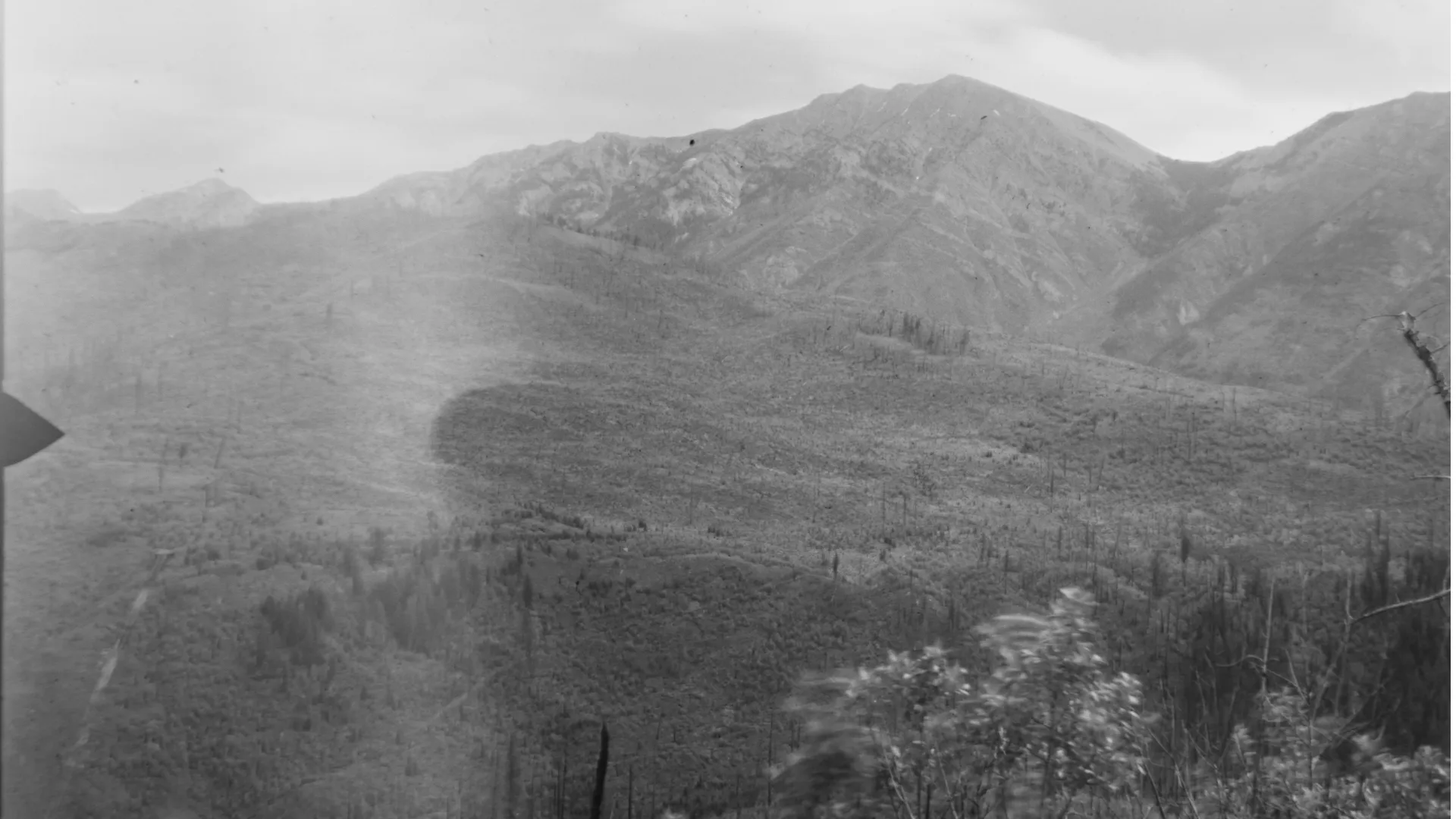
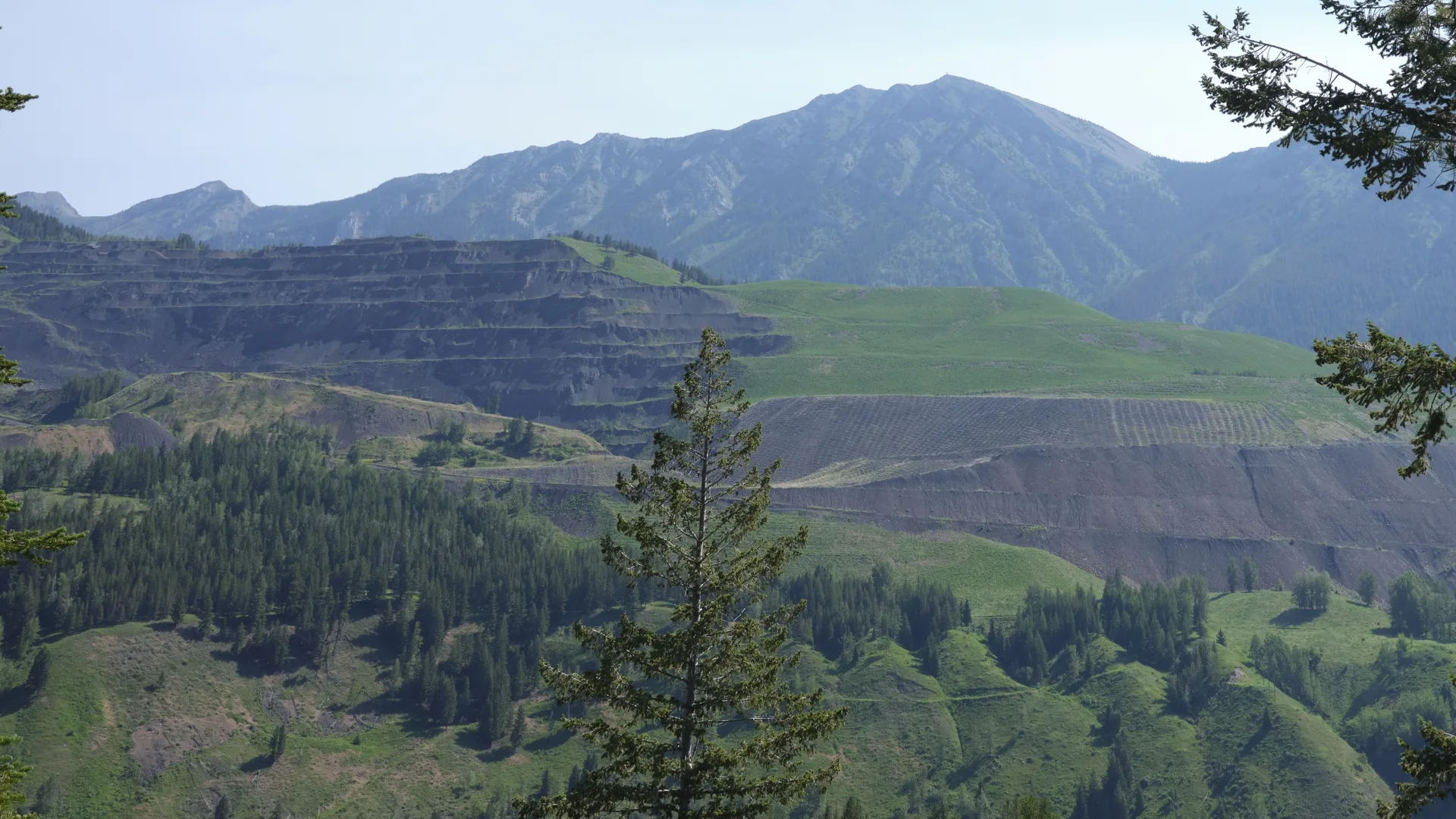
Elkview Mine: 1932 vs 2021
These photos show a small portion of the 4,530 hectares of disturbed land at Elk Valley Resources’ Elkview Mine, and highlight exposed, terraced waste rock and changes to mountain topography.
High-elevation grasslands like those seen in the historic image of Elkview provide important winter range and foraging habitat for local Bighorn Sheep and Mountain Goat herds. Mountaintop removal coal mining has heavily reduced the extent of these grassland ecosystems throughout the Elk Valley.
Elk Valley Resources is required to revegetate the grasslands it destroys, but they are almost impossible to restore to their original state. Reclamation is often sufficient to provide forage for Bighorn Sheep during growing seasons (in the warmer months), but importantly, the grassland species and steep slope conditions necessary for prime winter forage habitat simply cannot be replaced. This creates increased pressure in the form of overgrazing on the grasslands that do remain in the area, and reduces the number of sheep they are able to support.