
Provide access between nests and outdoors: Access between the nest and the foraging area outside is essential so that swallows are able to come and go as needed. Leave windows or doors open during the breeding season. If doors must be closed for livestock, ensure that some windows remain open.
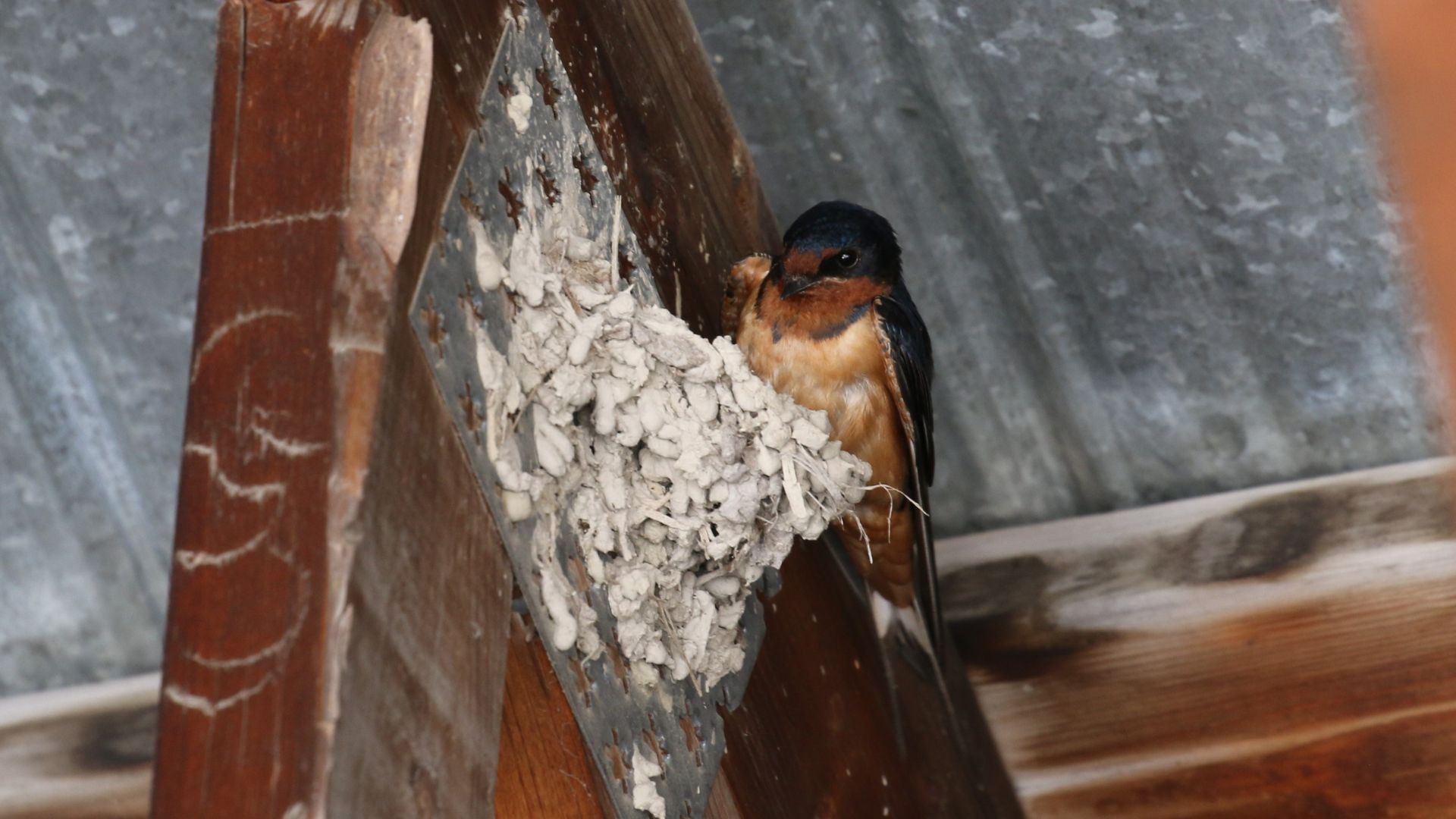
Provide nesting platforms: Platforms can encourage nesting in suitable locations such as among barn beams, under protected ledges, and eaves. Platforms should be at least 8-10 cm wide and placed at least 15 cm below the ceiling and 3 m above the ground. Note that these need to be in areas protected from rain and heat.
Avoid heat build-up: Heat in the top of a barn can cause dehydration, premature fledging, or even death of young. If this is a problem in your barn, here are two solutions: If possible, paint the roof of your barn white or a light colour to reflect heat and lower the temperature. Ensure good ventilation in the area where the swallows are nesting; or, if this is not possible, discourage swallows from nesting in the areas that trap heat. But do not destroy nests as this is illegal during nesting season (early May to late August or whenever swallows are nesting, whichever is later).
Minimize disturbance at the colony: Discourage cats from approaching Barn Swallow nests and mud collection areas during the breeding season. Make sure barn cats are spayed and/or neutered so that they do not contribute to the overpopulation of outdoor cats.
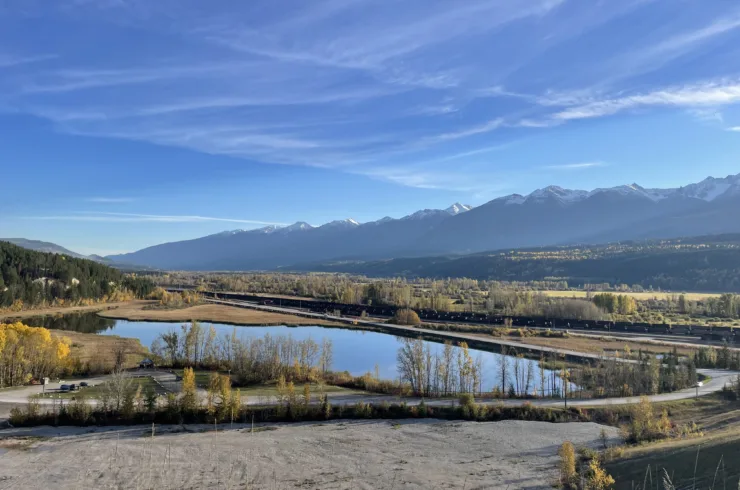
Maintain food source: Maintain pastures, hay crop, and riparian habitat (buffered stream, pond, or swamps) within a few hundred metres of the colony to provide Barn Swallows with food.
Protect watercourses and wetlands: If you use pesticides, consider reducing pesticide use in proximity to water, including phasing out use of neonicotinoids anywhere near water courses, and create wide natural buffers around ponds, streams, and along drainage ditches.
Offer a mud collection area: Barn Swallows need mud to build their nests with. Create an area where mud is offered for swallows to build nests with (generally in May and June) if the ground is dry. You can do this by running a hose along the ground and watering in an area where the ground is muddy when wet.
Create alternative structures for nesting: In the absence of Barn Swallows’ favorite nesting structures (barns), an alternate structure can be erected to provide substitute habitat.
Leave mud nests in place, so that Barn Swallows can reuse them.