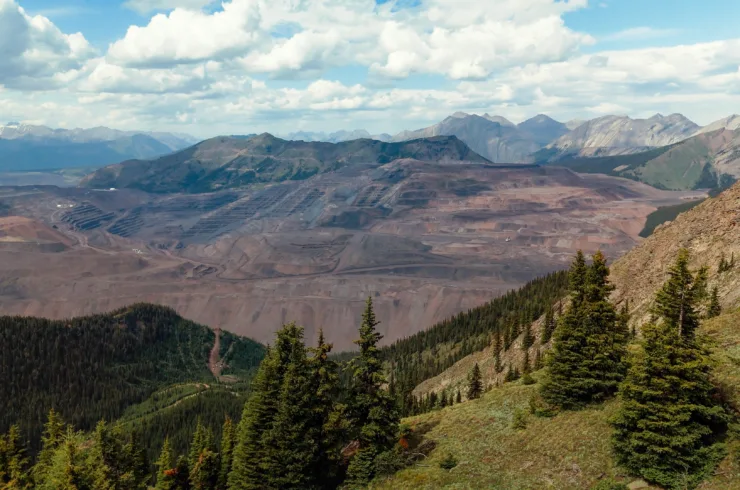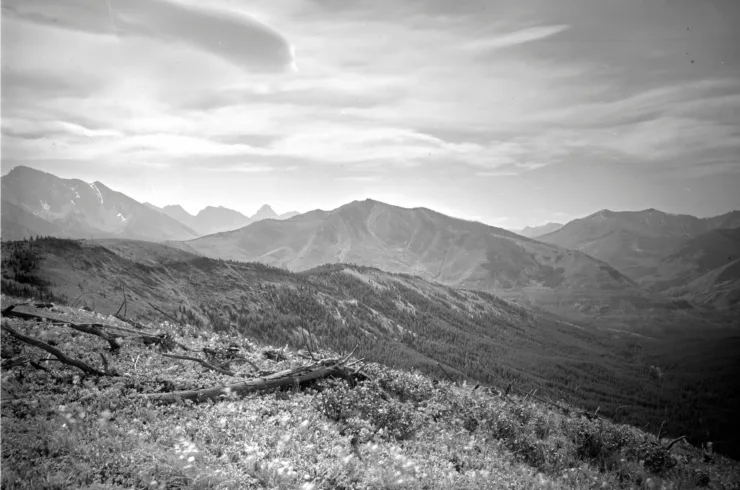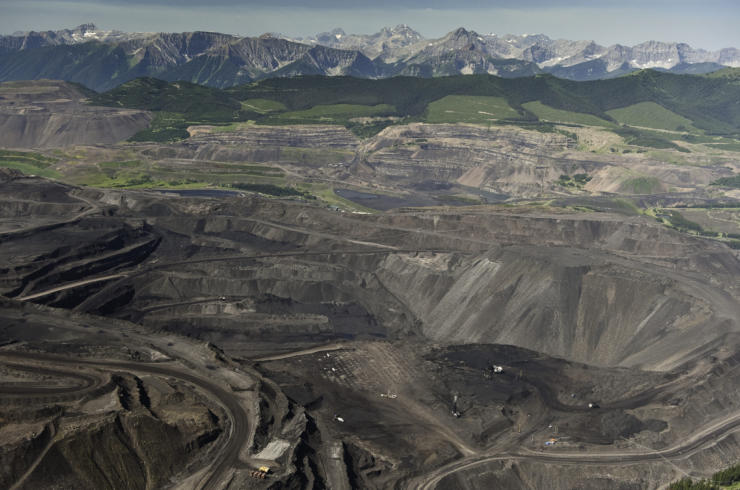
Historical and contemporary repeat photography from the Mountain Legacy Project reveals how half a century of mountaintop-removal coal mining has altered the geography of the Elk Valley.
British Columbia’s mine cleanup policy is built on a simple principle: companies should pay to clean up the environmental damage they cause. But as mining projects expand and pollution risks grow, an important question remain
Wildsight has asked Canada to appoint an independent panel of experts to review the environmental impacts of a proposed mine expansion in British Columbia’s Elk Valley.
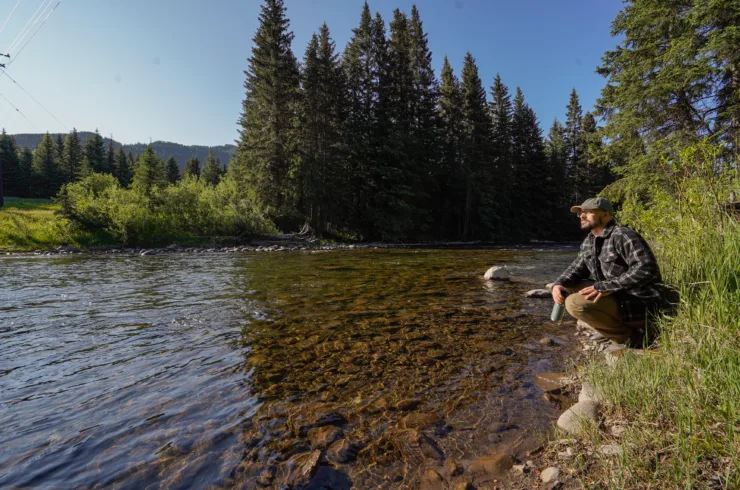
There are finally signs of improvement on water pollution from metallurgical coal mining in B.C.’s Elk Valley. But the Elk Valley’s water pollution problem is far from resolved, and it likely won’t be for many decades.
The proposed expansion of Elk Valley Resources’ (EVR) Fording River coal mine has formally entered British Columbia’s environmental assessment process public comment period.
The B.C. government has accepted the Fording River Expansion into the Environmental Assessment process without a public comment period, arguing the public process they had back in 2021 was enough.
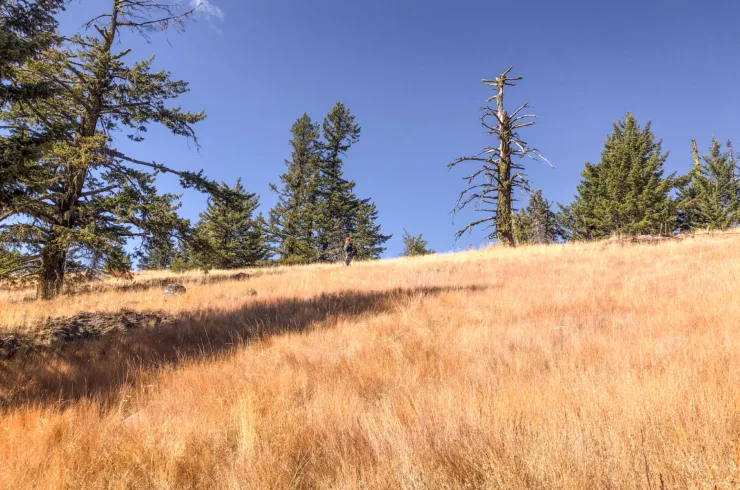
The fight to protect Record Ridge and its threatened species and ecosystems is far from finished. Several major developments have reshaped the story, including some recent legal action and a Wildsight push for protections.
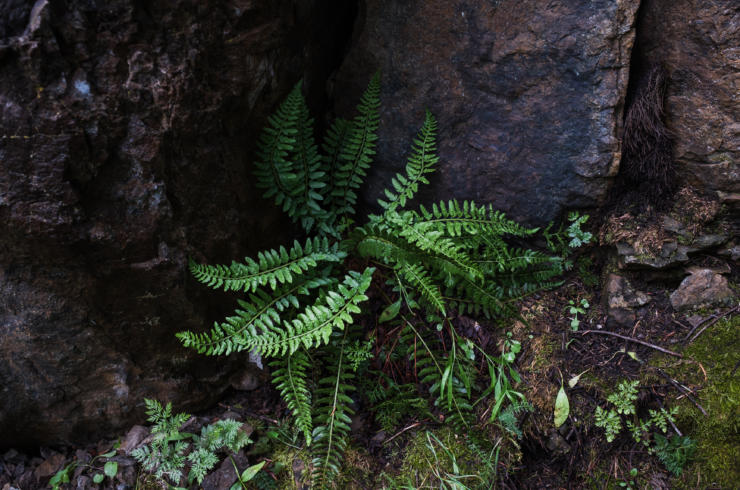
Wildsight is resuming efforts to obtain an emergency order for the endangered mountain holly fern, after learning last week that B.C. won’t require the proposed Record Ridge mine to undergo an environmental assessment.
When a coal mine closes, we’re told that reclamation will return the landscape to something close to what it once was. But new research from Alberta shows that even when fully reclaimed, pollution continues to flow.
Bighorn sheep, grizzly bears and native fish populations would suffer if a proposal to expand British Columbia’s biggest coal mine by over a third of its current size is approved.