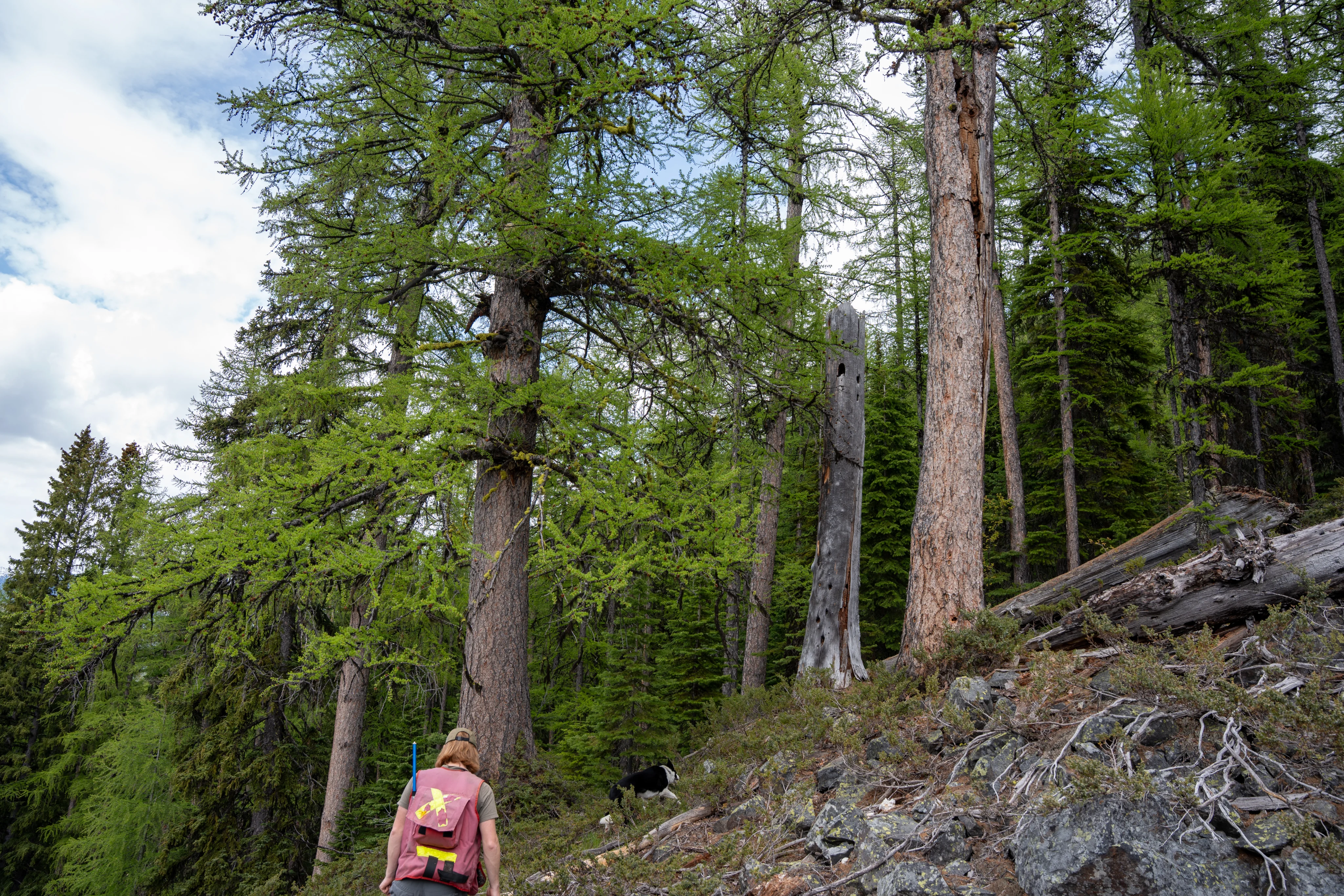


British Columbia’s forest industry is facing unprecedented mill closures and job losses at the same time that a biodiversity crisis is threatening the health of our ecosystems. BC needs a new approach to land management—one that supports our globally renowned biodiversity while sustaining a viable forestry sector.
After decades of overcutting, both biodiversity and the forest industry are in decline. The province’s proposed Working Forest Landscape Plan risks further harming wildlife populations and the diverse ecosystems that define our province in an attempt to shore up a struggling industry.
The Working Forest proposal would create a timber-intensive forestry zone where industry could identify areas for harvest and receive permits without requiring detailed plans or independent review before logging begins. This would further diminish the public’s already limited role in decisions about how forest lands are managed.
Allowable cut gap
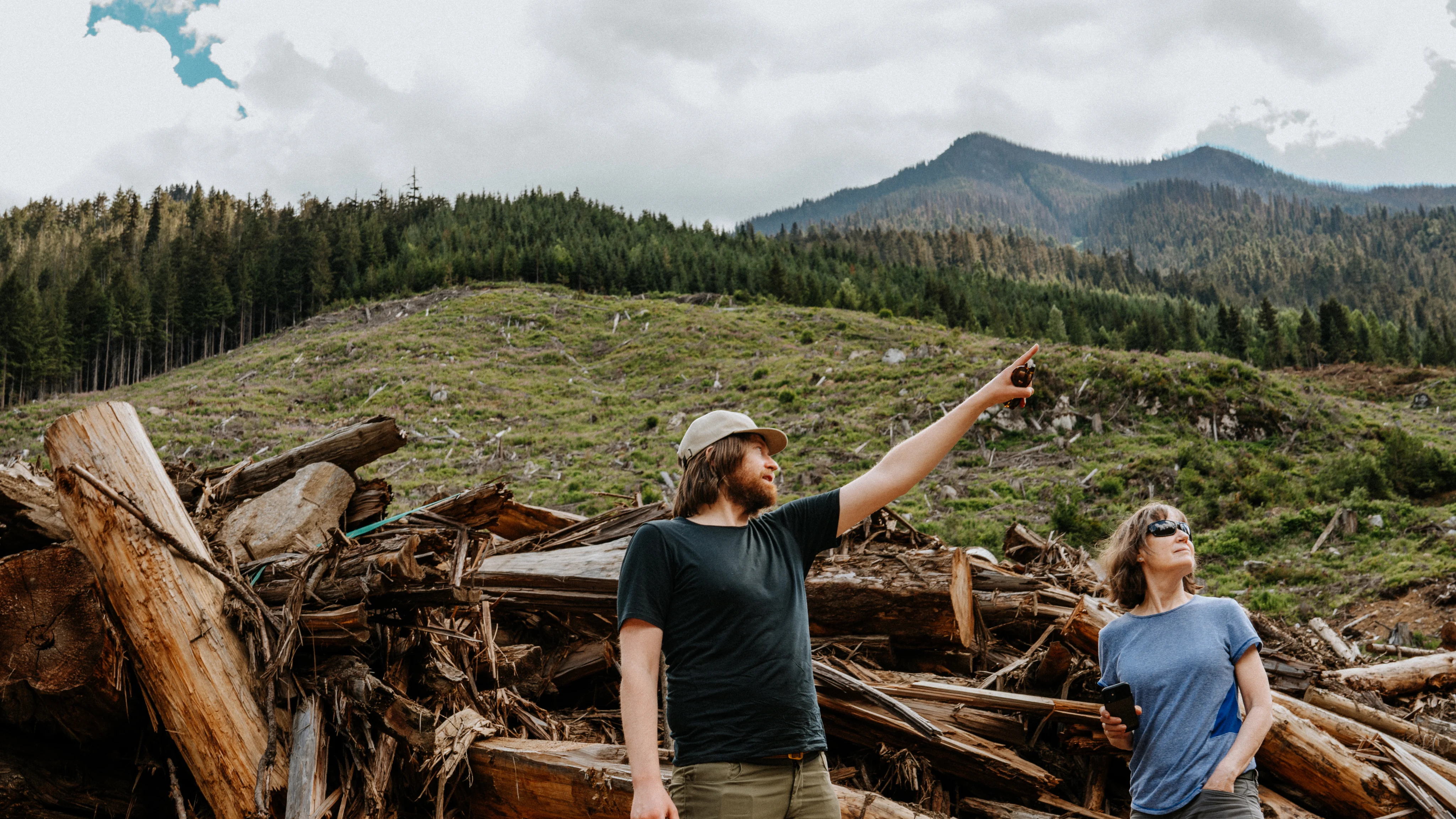
The proposal is driven by a goal of harvesting 45 million cubic metres of timber annually, despite the fact that the industry is currently harvesting only about half of their allowable annual cut of 60 million cubic metres. Why is there such a large gap between the allowable cut and actual harvest levels? Perhaps because the timber simply is not there if other important forest values are to be protected. Across much of the province, the easily accessible and economically profitable timber has already been logged.
For decades, annual harvest levels have relied on the continued depletion of primary forests (not previously logged), which have disappeared at an alarming rate. At the same time, climate change has intensified the impacts of wildfire, flooding, and insect outbreaks, further reducing available timber supplies.
British Columbians demand healthy forests
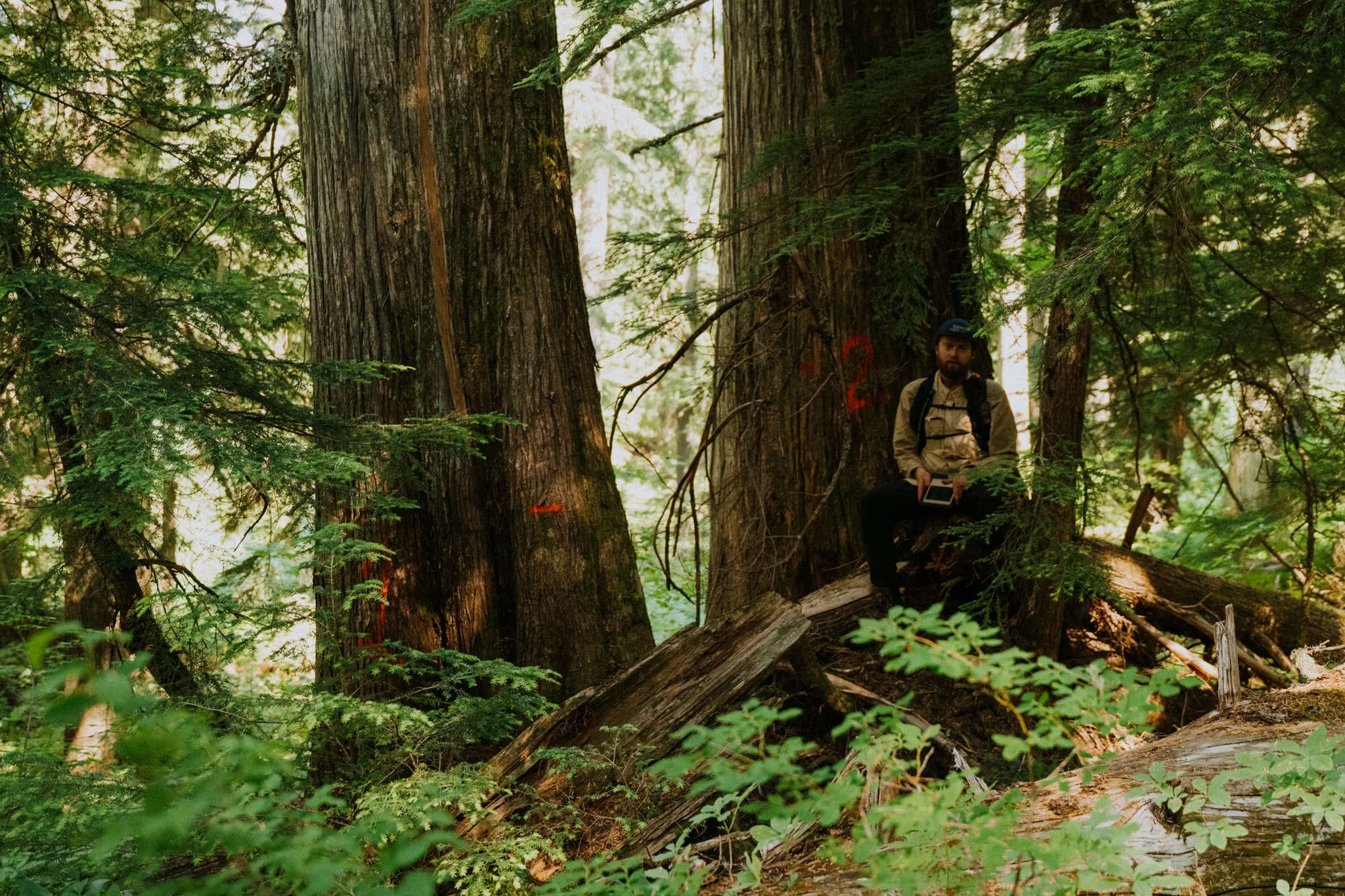
The concept of a “working forest” has been proposed repeatedly over the past several decades but has consistently been rejected because British Columbians have demanded healthy forests that provide a full range of benefits, including clean water, fish and wildlife habitat, recreation opportunities, and the protection of cultural values and practices.
The suggestion that these values can be adequately protected through separate “multiple-use” and “conservation” zones is unrealistic. Multiple-use zones have a long history of primarily serving industrial interests rather than balancing competing values. Experiences with large-scale, plantation-based forestry in places such as New Zealand and Scandinavia have resulted in biodiversity losses while failing to deliver the promised long-term timber production benefits.
Our forests will not be strengthened by a zoning system that places even greater emphasis on industrial priorities across larger portions of the landscape. The idea of permanently designating intensive forestry zones to guarantee future timber supplies ignores the reality that forest ecosystems are dynamic and constantly changing.
The future of forestry
It is time for the provincial government to recognize that the era of high-speed, highly automated sawmills operated by large multinational corporations is coming to an end. The future lies in community-based forestry and local processing, where communities are directly involved in maintaining forest health while supporting sustainable forestry livelihoods.
Without meaningful change, there may soon be few options left for forestry of any kind. The industry risks consuming the very resource on which it depends. Already, many of the largest forestry companies operating in British Columbia are investing in operations outside Canada and relocating corporate functions elsewhere, using wealth generated from BC’s forests while leaving workers and communities behind.
British Columbia needs a fundamental shift in land-use management—one that begins by determining what must be protected in every ecosystem before deciding what can be harvested. This includes establishing core protected areas and maintaining ecological connectivity across the landscape.
The province already has road maps for this transition through the Old Growth Strategic Review and the proposed Biodiversity and Ecosystem Health Framework. These initiatives deserve renewed commitment, implementation, and investment. They offer a path toward healthy forests, resilient ecosystems, and sustainable forestry for future generations.