

From 2022 to 2025 Wildsight Creston Valley has been monitoring the health of the Goat River by sampling benthic invertebrates. Benthic invertebrates are the bugs that live in the streambed. The community of bugs (species, number and diversity) are indicators of water health.
From 2022-2025, there was a lower proportion of the EPT individuals than expected in the samples. Ephemeroptera (mayflies), Plecoptera (stoneflies), Trichoptera (caddisflies), or EPT taxa, are sensitive to habitat disturbance and pollution. In addition, the abundance of invertebrates was nine times the standard deviation of the reference mean in 2025, and five times in 2024. The high total abundance in 2024 and 2025 could be caused by increased nutrients and organic material in the river, and/or other climatic factors like warmer conditions.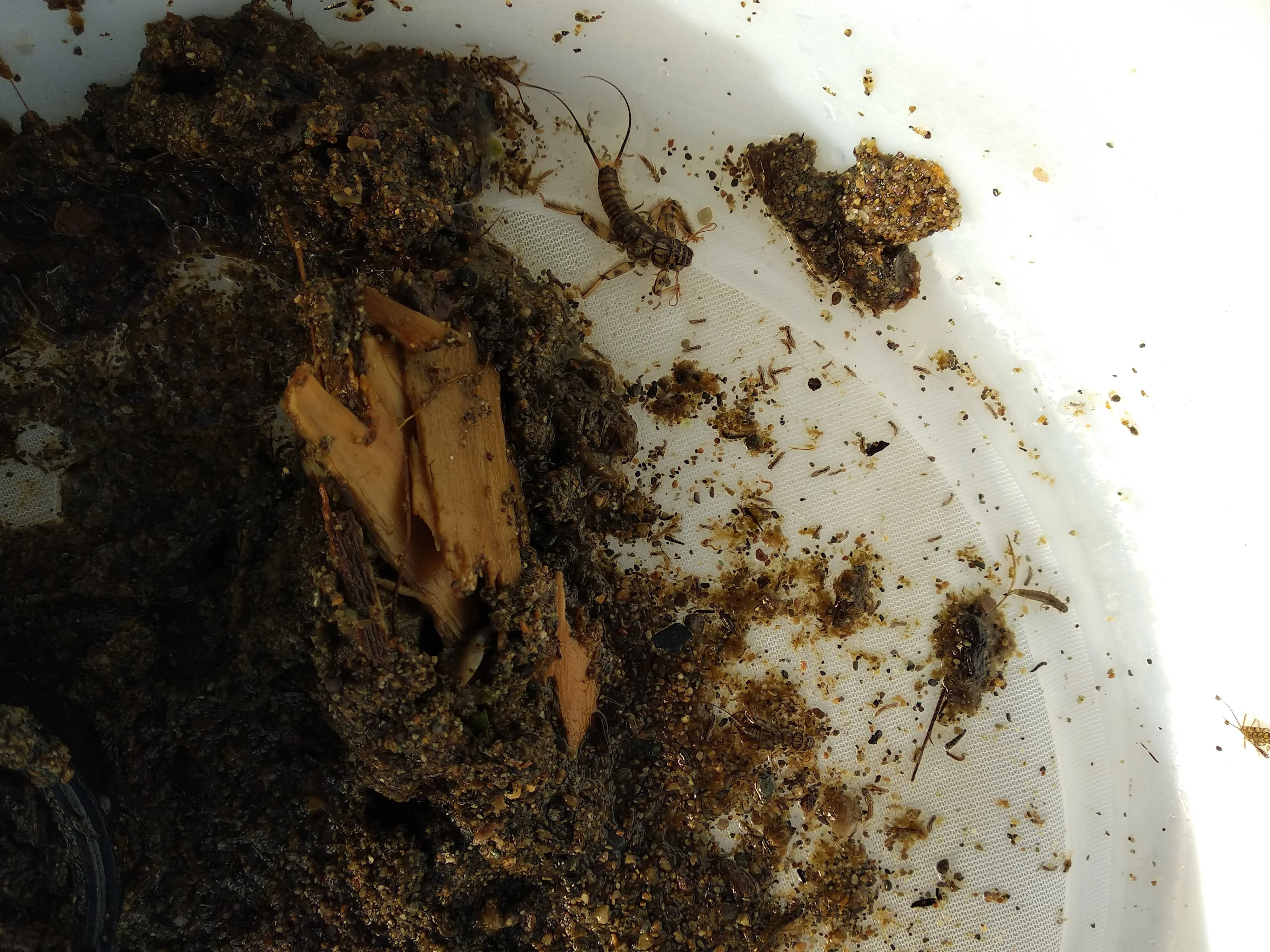
The analysis can also look at functional feeding groups within the sample. Functional feeding groups are made up of different species, but are all adapted to eat similar things in the aquatic environment (shredders, scrapers, predators, gatherers, filterers). Functional feeding group proportion changes with the availability of food in the creek and can reflect the health of the riparian vegetation, channel stability and impacts from land development. The percentage of gatherers, or invertebrates that collect fine particulate organic matter in the water, has been increasing since 2022 (43%), 2023 (79%), 2024 (83%), 2025 (89%). This indicates that there is increasing organic matter available in the Goat River. Gatherers are expected to increase in response to disturbance.
Lab tests for nutrients, metals, hardness, alkalinity and suspended solids were taken once a year during the fall. Fall lab results showed no significant findings. 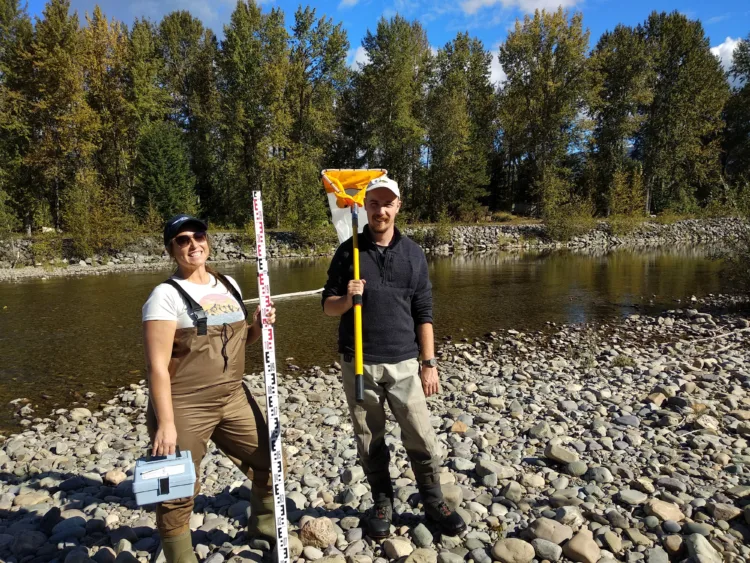
The 2025 CABIN results show a continued trend towards a river ecosystem that is under environmental stress. Various stressors such as climate change, water withdrawals, logging and habitat destruction could contribute to these results.
Benthic invertebrate monitoring should continue in the Goat River. Lab tests for nutrients would be recommended in May/June after a rain event. This should capture if fertilizer is reaching the river through runoff. In addition, activities to protect riparian habitat along the Goat River, and improve land management practices in this watershed would improve the resiliency of this watershed.
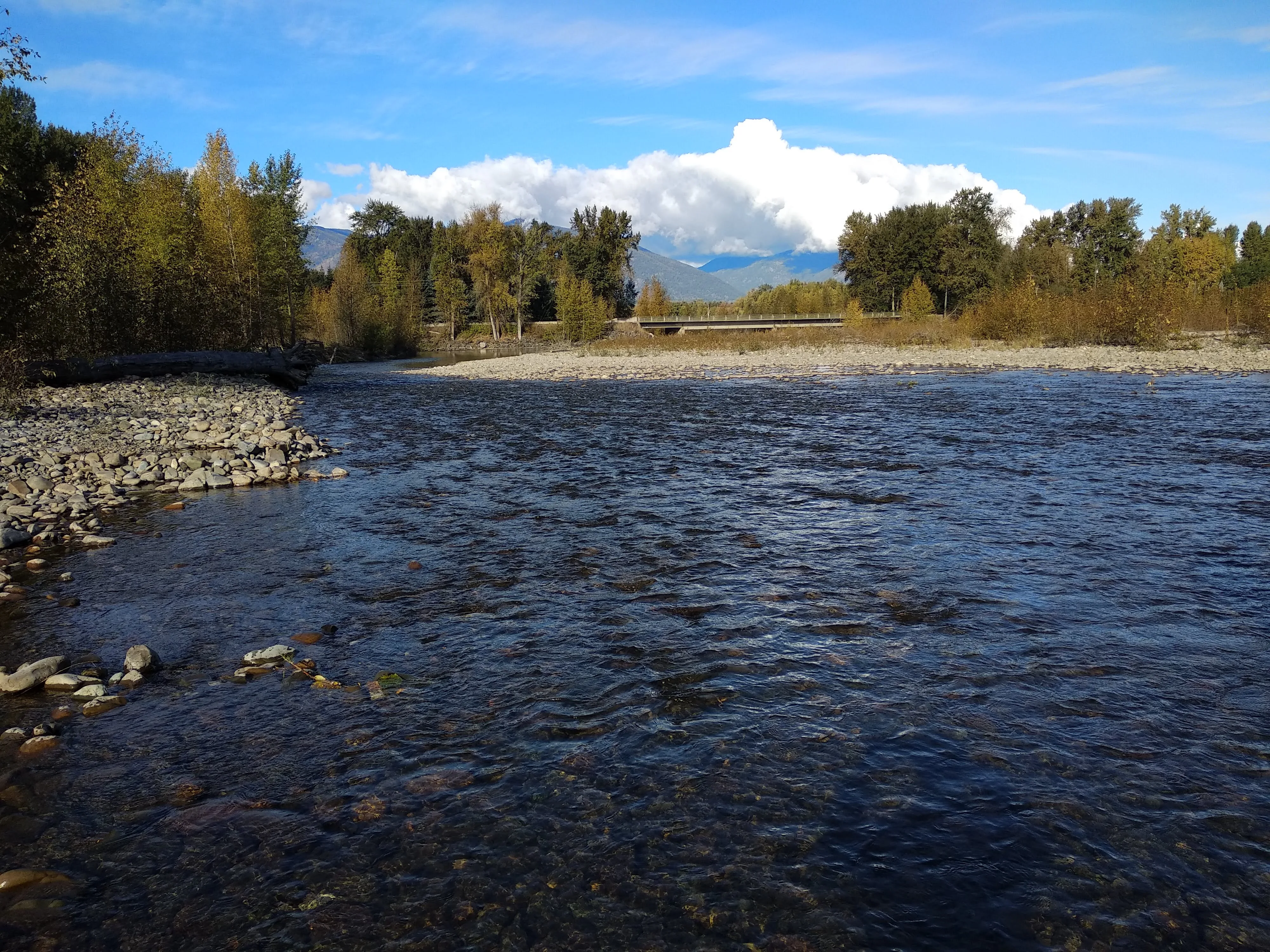
You can also get involved with the Goat River Watershed Sustainability Planning. The Regional District of Central Kootenay (RDCK), in collaboration with yaqan nuʔkiy, is doing water sustainability planning to respond to growing concerns about water availability in the Goat River Watershed (includes the communities of Canyon, Erickson, Kitchener, Lister, Town of Creston, West Creston, Wynndel, and yaqan nuʔkiy).
Want more data? Check out our water monitoring page here, and the 2025 Goat River water monitoring report here.