


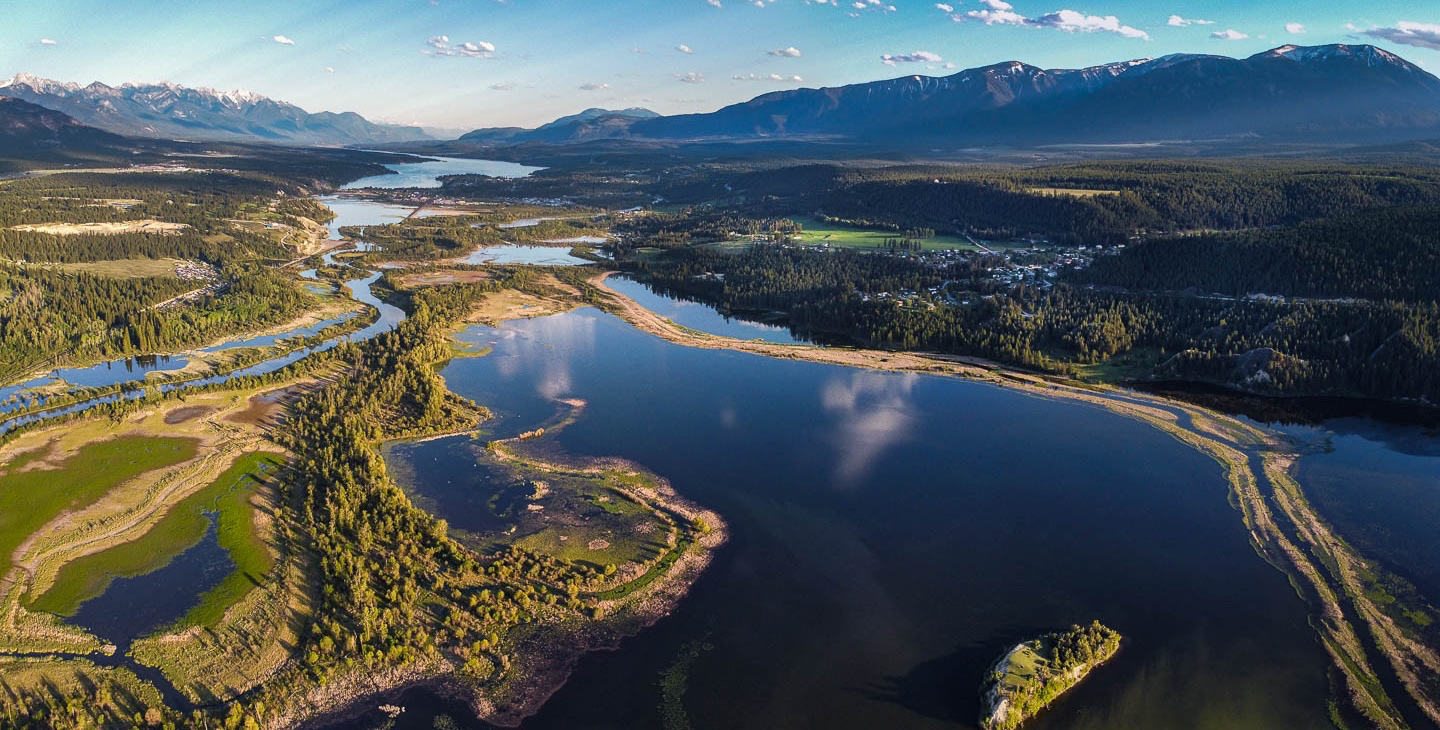
Banff, Jasper, Kootenay Park, Mt. Robson, and other world-class destinations in Western Canada are closing their waterways in an effort to prevent the rapid spread of aquatic invasive species. So what does this mean for the Columbia Basin?
Whirling disease was first detected in the Columbia River Watershed in 2023, in Yoho National Park’s Emerald Lake. It’s since also been detected in Kootenay Lake, and in parks just across the provincial border, like Lake Louise.
Zebra, Quagga and Golden mussels haven’t yet made it to British Columbia, but with their populations spreading rapidly west from Manitoba and north from California, B.C. is considered ‘high risk’.
If any of these invasives were to successfully establish in the Columbia Basin, it would be devastating for our aquatic ecosystems, recreationists and fisheries, and come at a huge cost to personal property, agriculture, water systems and B.C.’s economy.
So what can we do as individuals to prevent their spread? In order to understand prevention, it’s important to first understand how aquatic invasives affect freshwater ecosystems once they arrive.

Whirling disease
Whirling disease is caused by a microscopic parasite that can deform the brainstem and spine of young trout and salmon, compromising their ability to swim properly and resulting in high mortality rates of up to 90%. This parasite has a complex life cycle involving fish and aquatic worms, and its spores can persist in mud and water for decades. Once introduced to an ecosystem, it is generally impossible to eradicate.
Whirling disease can be spread by moving contaminated water, mud, fish or equipment between water bodies. Boats, trailers, fishing gear, waders — anything that has had contact with infected waters — can become a carrier if not properly cleaned, drained, and dried.

Zebra, Quagga and Golden mussels
Zebra and Quagga mussels are highly invasive bivalves that were introduced to North America by ships from the Black and Caspian seas in the 1980s.
These mussels reproduce quickly and out-compete other aquatic species for both food and habitat. This significantly alters aquatic food webs — reducing food availability for young fish and leading to the potential collapse of native fish populations. These mussels also filter plankton from the water, clog pipes and water intake systems.
Adult Zebra and Quagga mussels affix themselves to hard surfaces like boat hulls, motors and equipment, and can survive for days to several weeks out of the water. Their free-floating larval stage (called a veliger) is microscopic and impossible to detect with the naked eye. This makes wake-boat ballast systems a major concern because water can remain in internal tanks, pumps, and plumbing even after draining, and they are difficult to properly inspect, drain, and decontaminate.
The Golden mussel is also an emerging concern. Native to China and southeastern Asia, it was detected in North America for the first time in 2024, in California. While it hasn’t made it to B.C. yet, the mussel is known to spread extremely rapidly; in Argentina, it moved upstream at a rate of 250 km a year, showing just how quickly the situation could change here.

The cost of aquatic invasives
Zebra and Quagga mussels can cause serious damage to personal property — from boats and motors to docks, water intakes and shorelines. Beaches can become overrun with sharp mussel shells, making recreation on the shore uncomfortable or impossible. These on-shore impacts can significantly affect property values.
Not only can these mussels damage personal property, they can compromise hydro facilities (such as dams) and municipal water supplies.
The B.C. government estimates that if Zebra or Quagga mussels were introduced to B.C., the annual cost to taxpayers could range from $64 million to $129 million — this accounts for impacts to infrastructure, tourism, marinas and property values.
Whirling disease creates a different kind of risk. By reducing the survival of young fish, it can severely compromise fish populations — which has implications for recreational fishing, Indigenous fisheries, ecosystem health and local economies.
So what can you do as an individual?
From kayaking to SUP-ing, boating or fly fishing, any water-based activity can inadvertently result in the spread of aquatic invasive species from one waterbody to another. With Whirling disease already detected in the region, it’s critical now more than ever to take personal responsibility and be intentional with your practices.
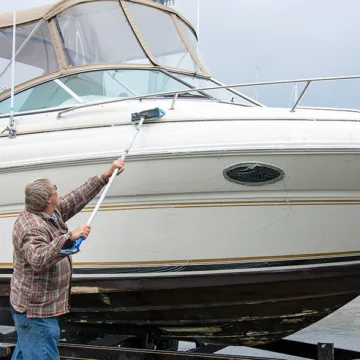
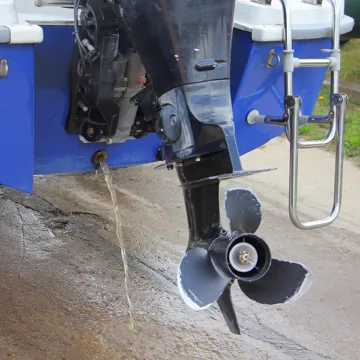
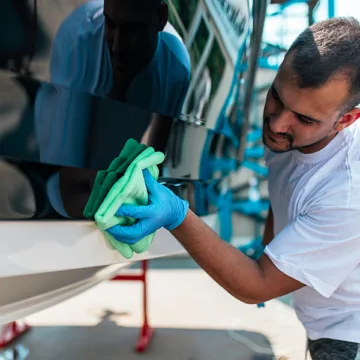
If that’s not possible, here are steps you can take to keep our waters safe:
AT THE LAKE/RIVER:
CLEAN: Ensure boats, trailers, paddles, waders, fishing gear, pets, and other equipment that has touched the water is free of any organic material, such as mud, plants, debris and fish parts.
DRAIN: Pull the plug and drain ALL water from bilges, livewells, and any other compartments before leaving the site. Raise and lower outboard motors to help drain trapped water. Drain non-motorized watercraft by tilting or turning upside down. Remember: it is now illegal in B.C. to transport watercraft with the plug in place.
AT HOME:
DRY: Let everything dry completely before using them in another waterbody. Sun and air can naturally help eliminate aquatic invaders before they spread.
DECONTAMINATE: Follow provincial or agency decontamination protocols. Approved methods may include hot-water decontamination or chemical disinfection using Quaternary Ammonium Compounds (QAC) or a 1:10 solution of household bleach* and water. Submersible items should be soaked for at least 10 minutes. Non-submersibles should be wiped or sprayed, ensuring they remain wet for 10 minutes. Pump-style sprayers are handy for application.
*Bleach should not be disposed of directly into the environment. Small quantities of disinfectant may be disposed through a sanitary sewer but should be diluted with an equal volume of water if indicated on the product label or MSDS sheet

Other things to note
Handle fish carefully. Do not move fish or fish parts from one water body to another. Use fish-cleaning stations, and never dispose of fish remnants down a drain or into a garburator.
Wake boats are particularly challenging because their ballast systems cannot be fully drained. Best practice is to restrict your wake boat to a single lake.
Anything that has touched the water can spread invasives and needs to be thoroughly decontaminated.
Here is a list of common items to remember to clean:
Fishing gear: Rods, reels, flies, buckets, nets, knives and pliers, waders, belly-boats, coolers, boots, paddles, life jackets. (Felt boots are not possible to properly decontaminate — consider an alternative).
Boating gear: Watercraft, trailers, paddles, lines, anchors, bailers, buoys, life jackets, motors…
Swimming gear: Swimsuits, flip flops, towels, caps, goggles, masks, snorkels, fins, floaties…
Beach gear: Kid’s toys, beach balls, towels and blankets, coolers… whatever touched the water.
Pets and people: Bathe pets, children, and yourself before entering another water body.
The extra effort is a small price to pay to save our waterways
This may seem like a hassle just to have a nice day out on the water. But the broad consequences of people ignoring this protocol can be, and are, dire. The spread of aquatic invasive species is something that could change our waterways forever — and we all want to safeguard our fish, our ecosystems, our economies, and our recreation for years into the future.
Where to learn more:
Aquatic invasive species do not follow provincial borders. For that reason, we have included both B.C. and Alberta resources below. B.C. links should be used for current provincial requirements and local guidance, while Alberta’s Clean, Drain, Dry and Whirling disease resources provide especially clear, up-to-date prevention information for water users moving between watersheds.
B.C. resources
B.C. Whirling Disease Information / B.C. Recommended Decontamination Protocol
B.C. Invasive Mussels / Clean, Drain, Dry
Alberta resources
Alberta Clean, Drain, Dry
Alberta Whirling Disease Information
Alberta Invasive Mussels Information
Learn more and take action: Invasive Species Council of B.C.