

Welcome!
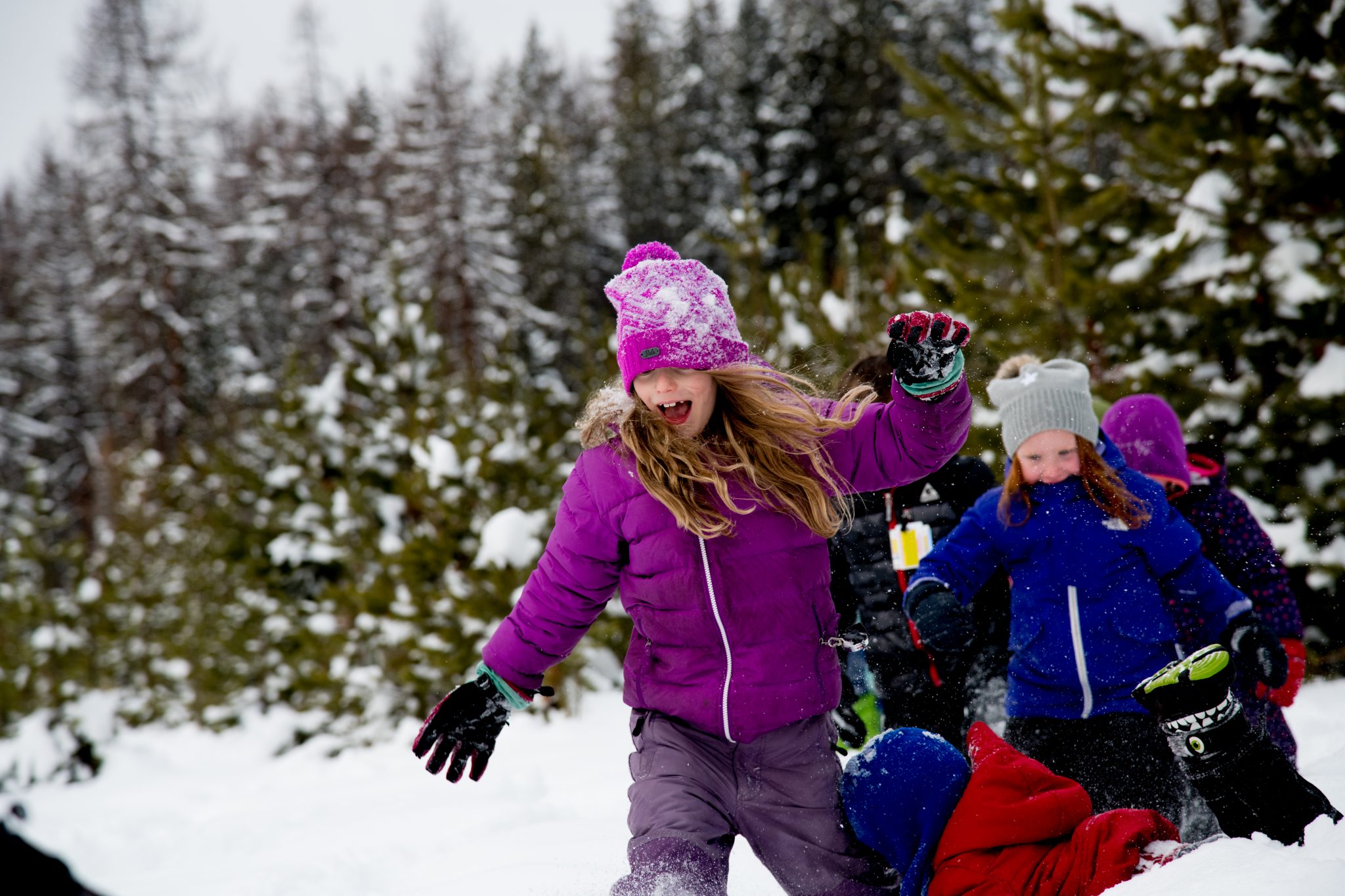
A young person in your life has just taken part in Wildsight’s Winter Wonder program. To keep the curiosity and wonder going at home, here are some prompts designed to spark fun conversations, and maybe even inspire a deeper appreciation for the magic of the winter season:
Winter can be tough. Why do you think it’s hard for plants and animals to survive this season?
Invite conversations about food shortages, cold temperatures, shorter days, or other challenges they learned about. How do we humans adapt to the cold season?
What’s one cool winter survival strategy you discovered?
Strategies might include storing food, growing thicker fur, changing colour, or slowing down their bodies to save energy.
Which animal did you learn about today, and what’s its winter survival superpower?
Ask kids to share an animal they learned about and describe how it makes it through the cold—does it hibernate, migrate, tough it out or is it a chionophile (snow lover)?
Fun fact: A chionophile is a plant or animal that thrives in cold, snowy conditions. The term comes from the Greek words “chion” (snow) and “phile” (lover). (We also like to refer to a person who loves snow and winter weather as a chionophile)
If you could choose your own winter survival superpower—hibernate, migrate, stay-and-cope, or be a snow-loving chionophile—what would you pick and why?
This gets kids thinking creatively and connecting the science to themselves.
Here are some of the legendary animals that call the Columbia Basin their home. Who is your favourite? Which survival super power is the coolest?
Take the learning further: Pick one of the following animals and as a family learn more about them.
Did you know our programs are made possible thanks to generous donors who believe in the power of environmental education? Learn more!
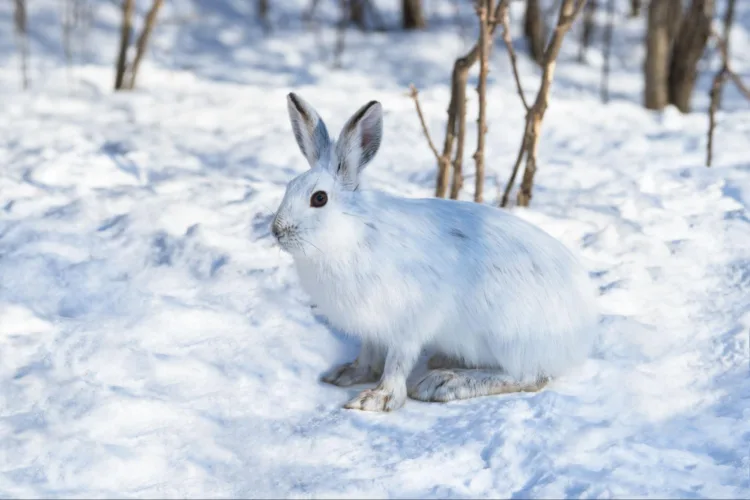
Snowshoe Hare
Winter Survival Strategy: Chionophile
Built-In Snowshoes: Snowshoe hares have oversized, super-furry hind feet that act like natural snowshoes, letting them float across deep snow without sinking.
A Seasonal Disguise: Their fur shifts from grey-brown in summer to brilliant white in winter. This colour change is triggered by changing daylight and helps them blend perfectly with the snowy landscape.
Incredible Leapers and Speedsters: An adult snowshoe hare can leap up to three metres in a single bound and sprint at speeds of 45 km/h!
What do you think snowshoe hares eat during winter?
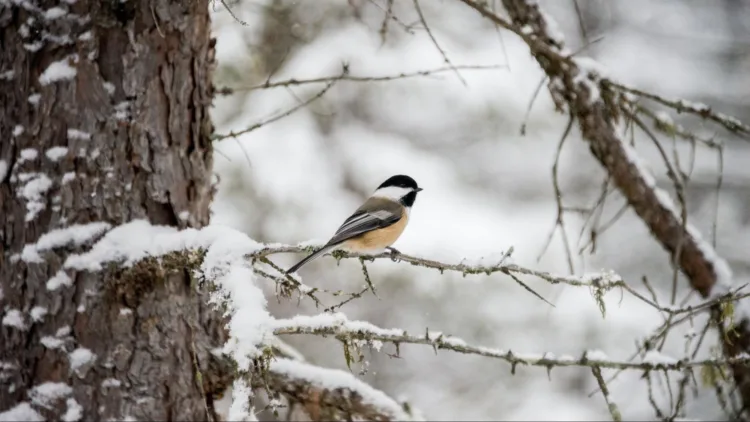
Chickadees
Winter Survival Strategy: Stay & Cope
Tiny Birds, Big Memory: Chickadees stash up to 80,000 seeds all over the forest—and can remember exactly where they hid them for at least 28 days, including which caches they’ve already emptied.
Feather-Puff Winter Coats: To stay warm in freezing temperatures, chickadees fluff up an impressively thick layer of feathers, creating a cozy insulating coat that traps heat close to their bodies.
Storm Survivors: During brutal cold snaps, chickadees hunker down in tree-top roosts. They slow down their heart rate and breathing, and lower their body temperature to conserve energy. They often snuggle together to share warmth and ride out the storm.
Chickadees can hide over 80,000 seeds in the fall and find them all again throughout the winter to snack on. If you had to hide your snacks, how many could you find again later?
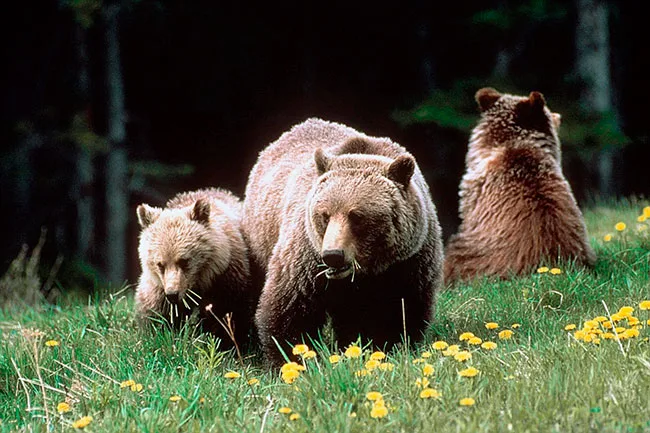
Grizzly Bear
Winter Survival Strategy: Hibernation
Grizzly bears are champion snackers! To get ready for winter, a grizzly can gobble up 20,000 calories a day—that’s like eating 40 cheeseburgers—and gain up to three 1.4 kg daily!
Their winter homes are tiny hideouts: Grizzlies squeeze into small dens tucked inside rock cracks, hollow tree holes, or little pits made by fallen trees. Cozy!
Baby bears are born while Mom is asleep: Pregnant female grizzlies give birth during hibernation, and the tiny cubs nurse and grow while their mom sleeps right through the winter.
Do you think bears dream while they are hibernating? What do you think they dream about?
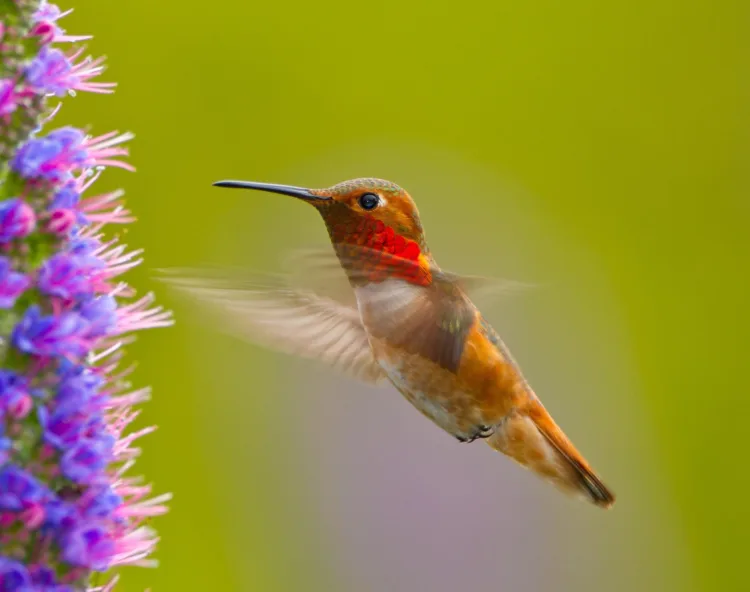
Hummingbird
Winter Survival Strategy: Migration
Tiny birds with turbo hearts! During migration, a hummingbird’s heart can beat up to 1,260 times per minute—that’s faster than any other bird on the planet!
Super eaters with super wings: To power their journey, hummingbirds eat more than their own body weight in nectar and insects every day and flap their wings 15–80 times per second—so fast they hum!
Solo travellers on epic road trips: Hummingbirds migrate all by themselves, flying 3,000–8,000 km in about two weeks—an incredible adventure for a bird only 7.6 cm long!
Why do you think hummingbirds migrate, instead of staying around all winter long, like the chickadees? Where do they go?
Enter the colouring contest
- Take a photo of your completed colouring page and email to education@wildsight.ca
- Include your school, grade, teacher’s name and first name.
- Deadline to submit: March 13, 2026
- Prize: $25 Gift Card to the Outdoor Learning School & Store
Wildsight staff will choose one winning entry per grade.
Every submission will also be entered for a draw to win the grand prize of a Stories in the Wild: Animal Tracks & Traces kit for their class (value $320)