
My eight-year-old daughter doesn’t go anywhere without her books. They’re her safety net — her escape from the world.
But this summer, when we camped at Kootenay Lake, her pile of books sat untouched.
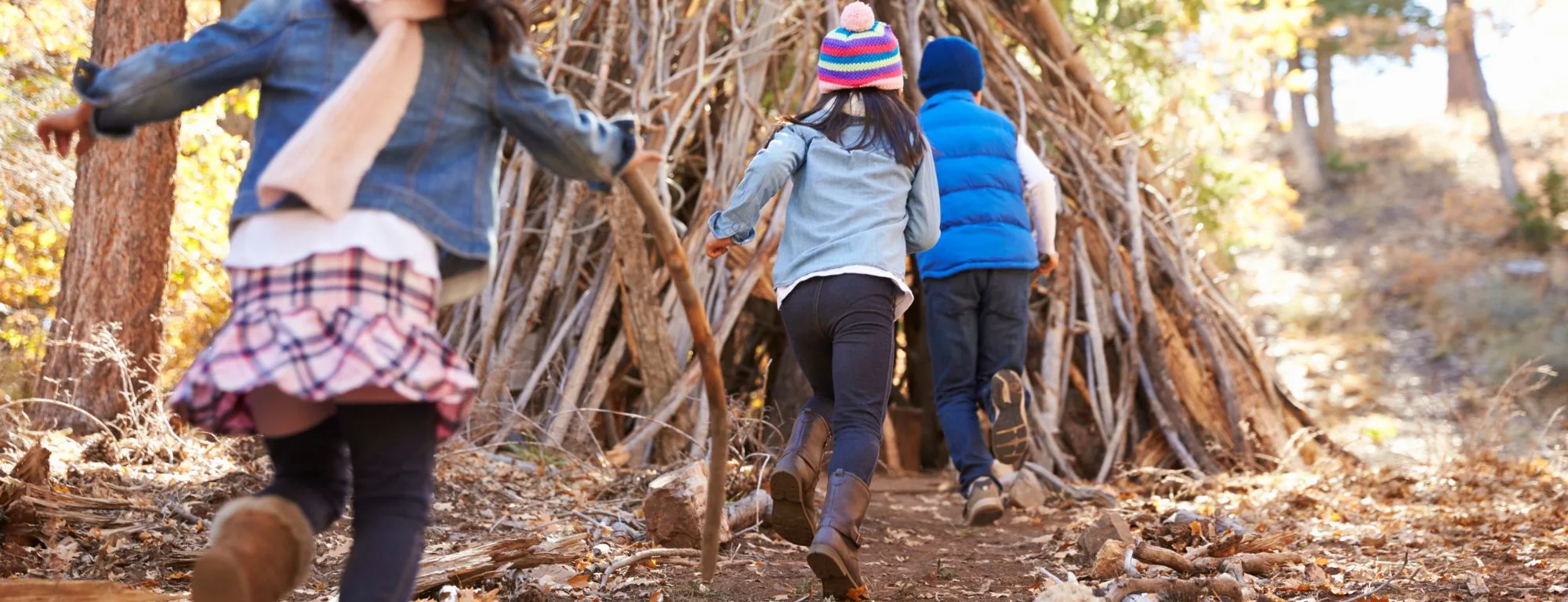
For four days, my daughter and her friends ran wild along the shoreline. They searched for the best skipping stones, held a heartfelt memorial for a moth, scaled boulders and watched summer storms roll in across the lake.
No screens. No distractions. Just forest, water, sky — and their imaginations. This is what childhood is all about.
But in the 20 years I’ve been leading environmental education programs, I’ve witnessed a shift. Kids used to arrive for my lessons buzzing with excitement. Now, many show up unsure and more anxious, less at ease in the wild.
It’s no wonder. Household budgets are stretched thin. Weekends are packed with structured activities. Screen time is on the rise. And wild play — once free and accessible — can feel out of reach.
At a time when the world needs every environmental advocate it can get, our children are more disconnected from nature than ever before.

For 25 years now, Wildsight environmental education programs have connected kids with the wild — and given them tools to protect it.
Each year, our educators take thousands of kids to their local creeks, wetlands and forests. For some, it’s their first time exploring these special places.
Teachers tell us they want to give their students more outdoor learning, but red tape and tight budgets make it too hard. On top of that, many say they don’t feel equipped to lead conversations on topics like climate change, eco-anxiety, sustainable living and ecosystem protection.
But thanks to support from people like you, Wildsight Education is making those conversations possible through programs like Watershed Matters and Classroom with Outdoors. These experiences don’t just connect kids with the wonder of the world around them — they give them the knowledge to care for it.

Last month, a woman came up to me in my local library; her son had attended a recent program in which we’d learned about bird calls. She told me how, afterwards, they’d been walking in Kimberley’s nature park when her little boy excitedly turned to her and said: “Mom, that’s a black-capped chickadee!” When I get feedback like that, I know this work is so, so impactful.
This is what environmental education does: it reconnects our children to a world in which they inherently belong and fills their souls with wonder and awe. This is where we grow hope; that’s what my job is.
Right now, Wildsight urgently needs your help to keep our education programs running. Will you donate today, and help us grow a more hopeful future for all? Thanks to a generous donor, all donations received before September 30 will be matched up to $5,000 to support environmental education!
For the wild,
Jill Jennings, Wildsight Education Coordinator
Support environmental education
P.s. Our incredible monthly donors are giving a generation of young people a lifelong connection to the wild. Will you join them to help us reach more kids? Please donate if you can. We can’t do this without you.