

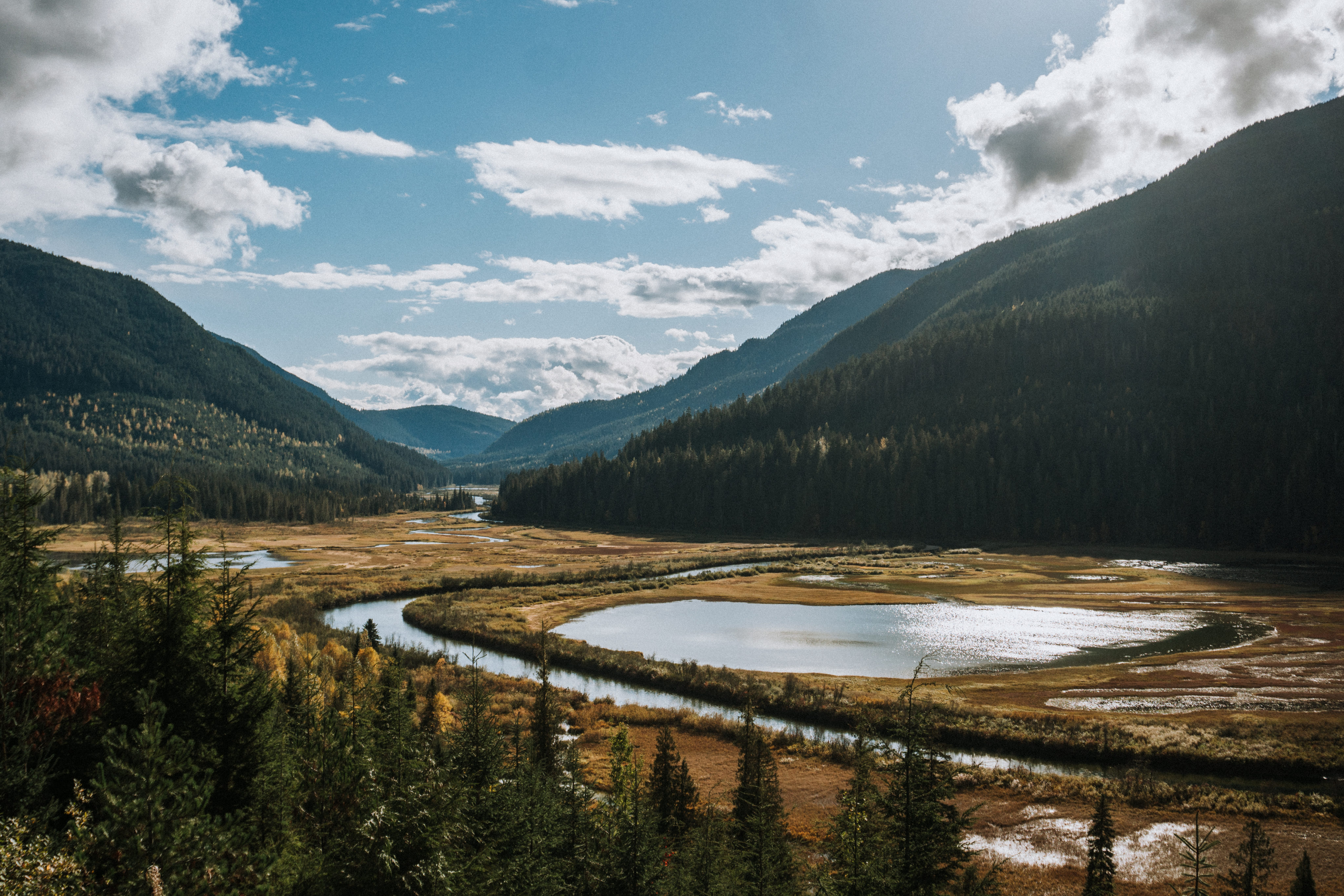
BCTS caught quietly deleting old growth deferrals before slating it for logging
For immediate release
Sept 28, 2026
BC Timber Sales (BCTS) is finalizing harvest plans for 120 hectares of ancient and old-growth forests in critical Southern Mountain Caribou habitat after their deferral status was deleted.
The proposed logging will clearcut over 100 hectares of Technical Advisory Panel (TAP)-recommended old growth deferrals adjacent to the Foster Arm Protected area in the Northern Monashee Mountains north of Revelstoke.
“We asked BCTS staff about logging plans this spring. BCTS admitted that the proposed development near Foster Creek overlapped with TAP deferral blocks first recommended for protection in 2021,” says Eddie Petryshen, Wildsight Conservation Specialist. “Weeks later, the deferrals had simply been removed so that the area could be logged.”
In July, BCTS sold the blocks to a logging contractor, then ceased responding to Wildsight’s repeated calls and emails. Foster Creek is in the heart of the Inland Temperate Rainforest, a critically endangered ecosystem where logging rates threaten the function and viability of sensitive and rare species contained within these old forests.
“The blocks overlap the recommended deferrals by over 100 hectares,” said Petryshen. “The quiet removal of Advisory Panel-recommended deferrals does not bode well for transparency or accountability. How many forests like this one have been simply deleted from the database for the convenience of the logging industry?”
These forests are occupied by the last remaining viable southernmost Caribou herd — the Columbia North Caribou herd. It’s no coincidence that this area happens to be used by the herd as it is one of the last large areas of intact low-elevation old-growth left in their range. Large, intact areas of older forests allow Caribou to spatially separate themselves from predators, and contain crucial foraging habitat with early winter foods like Falsebox. Eight caribou herds in the Columbia and Rocky Mountains have been extirpated in the past few decades, leaving Columbia North as one of the last strongholds for keeping caribou on the landscape in Southeastern BC.
“When we visited the area in July, I was blown away by the spectacular old and ancient forest this proposed logging development contains. It’s difficult to imagine that in 2026 these irreplaceable forests are being auctioned off and developed by a government agency. It’s archaic,” says Petryshen.
Logging this area could reactivate up to 30 kilometres of overgrown and inaccessible road and push nearly five kilometres of new road through high-value caribou habitat, and the science on what that means is clear: caribou abundance is predicted to decline by 42 per cent for every 1 per cent increase in forestry roads in their habitat.
“We’re still logging what little old growth and caribou habitat we have left,” says Petryshen. “If we want caribou, if we want ‘supernatural BC, if we want a future where we have old growth, we have to meaningfully protect old growth and caribou habitat. Foster Creek is a great place to start protecting those values.”
-30-
For additional quotes or interviews, please contact:
Eddie Petryshen, Conservation Specialist, Wildsight,
eddie@wildsight.ca 250-427-9885
Images and maps for media use:
• In block cruise plot in Foster Creek Photo: Eddie Petryshen, Wildsight
• Old growth tree in Foster Creek Photo: Eddie Petryshen, Wildsight
• Old growth tree in Foster Creek 2 Photo: Eddie Petryshen, Wildsight
• Roadline_FOS002B Foster Creek July 2026 Photo: Eddie Petryshen, Wildsight
• Davey Petryshen inspects Foster Creek cutblock, July 2026. Photo: Wildsight
• Map, Foster Creek deferrals and logging – May
• Map, Foster Creek deferrals and logging – June