


British Columbia’s mine cleanup policy is built on a simple principle: companies should pay to clean up the environmental damage they cause. But as mining projects expand and pollution risks grow, an important question remains: does the system actually ensure that happens?
This Wildsight-commissioned report examines how B.C. calculates and manages mine insurance funds, known as mine bonds or reclamation securities. These funds are meant to cover 100% of the cost of restoring land and water after mining ends, even if a company walks away or goes bankrupt. In practice, however, gaps between the money set aside and the true cost of cleanup are leaving British Columbians exposed to significant financial risk.
This report evaluates the legal and policy framework governing mine reclamation security in B.C., and identifies areas that could be changed to better protect communities, ecosystems and taxpayers.
read the full report
‘Next steps for responsible mining: Improving bonding and reclamation in BC’
March 2026
By Patricia Weber, Supervising Lawyer, Environmental Law Centre, University of Victoria
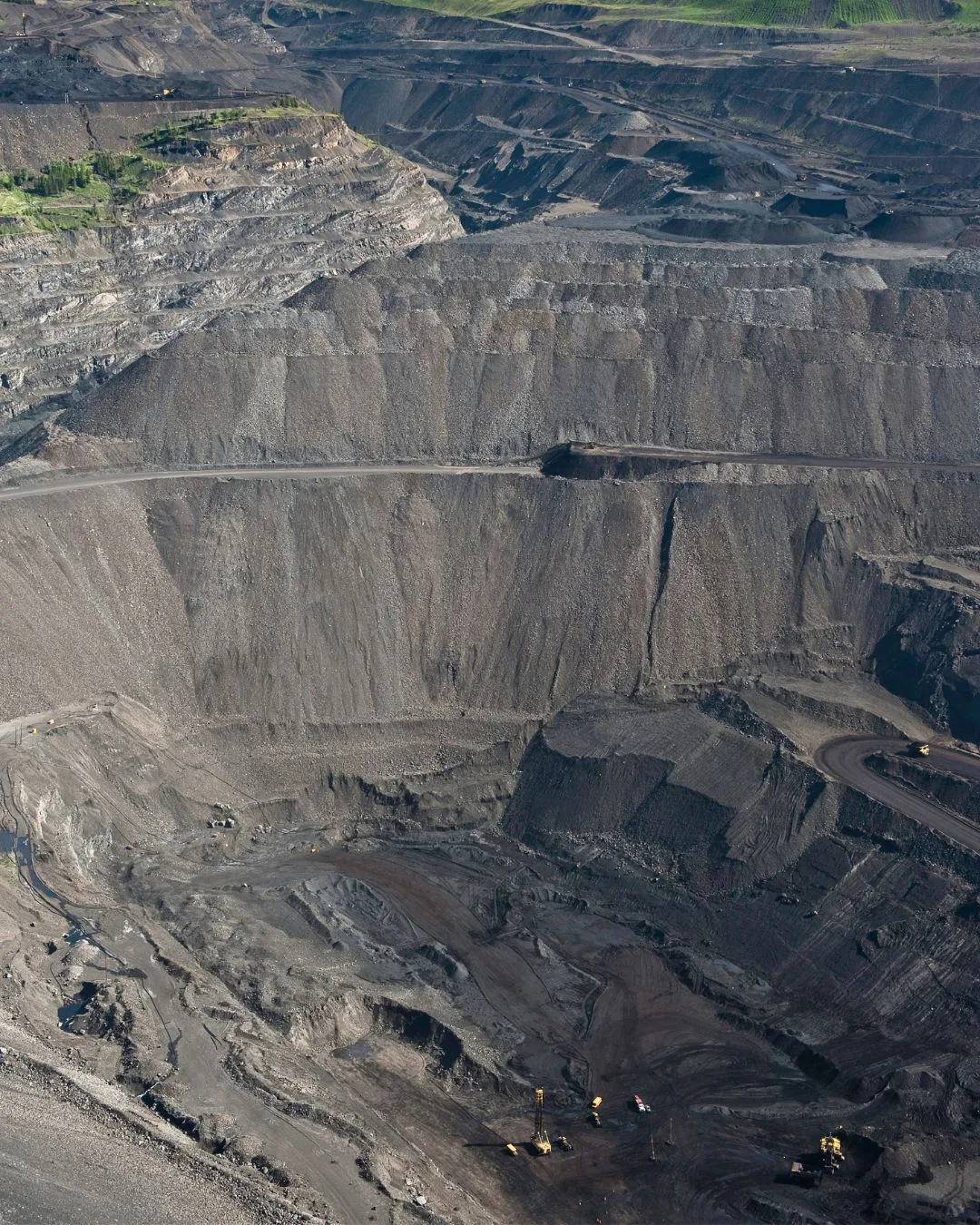
Key recommendations
The report outlines six recommendations to strengthen B.C.’s mine bonding system, some of which could be implemented as early as tomorrow if there was the political will to do so.
Recommendation #1: Establish standardized, transparent methodologies for calculating liability
Recommendation #2: Link financial assurance to operational phase, project expansions, and periods of care and maintenance.
Recommendation #3: Implement meaningful public and Indigenous Nation engagement mechanisms
Recommendation #4: Introduce a phased or periodic approach to posting and updating reclamation security.
Recommendation #5: Eliminate the exploration incentive as a mechanism for reducing reclamation security.
Recommendation #6: Strengthen regulatory oversight to ensure security amounts fully cover projected reclamation costs.
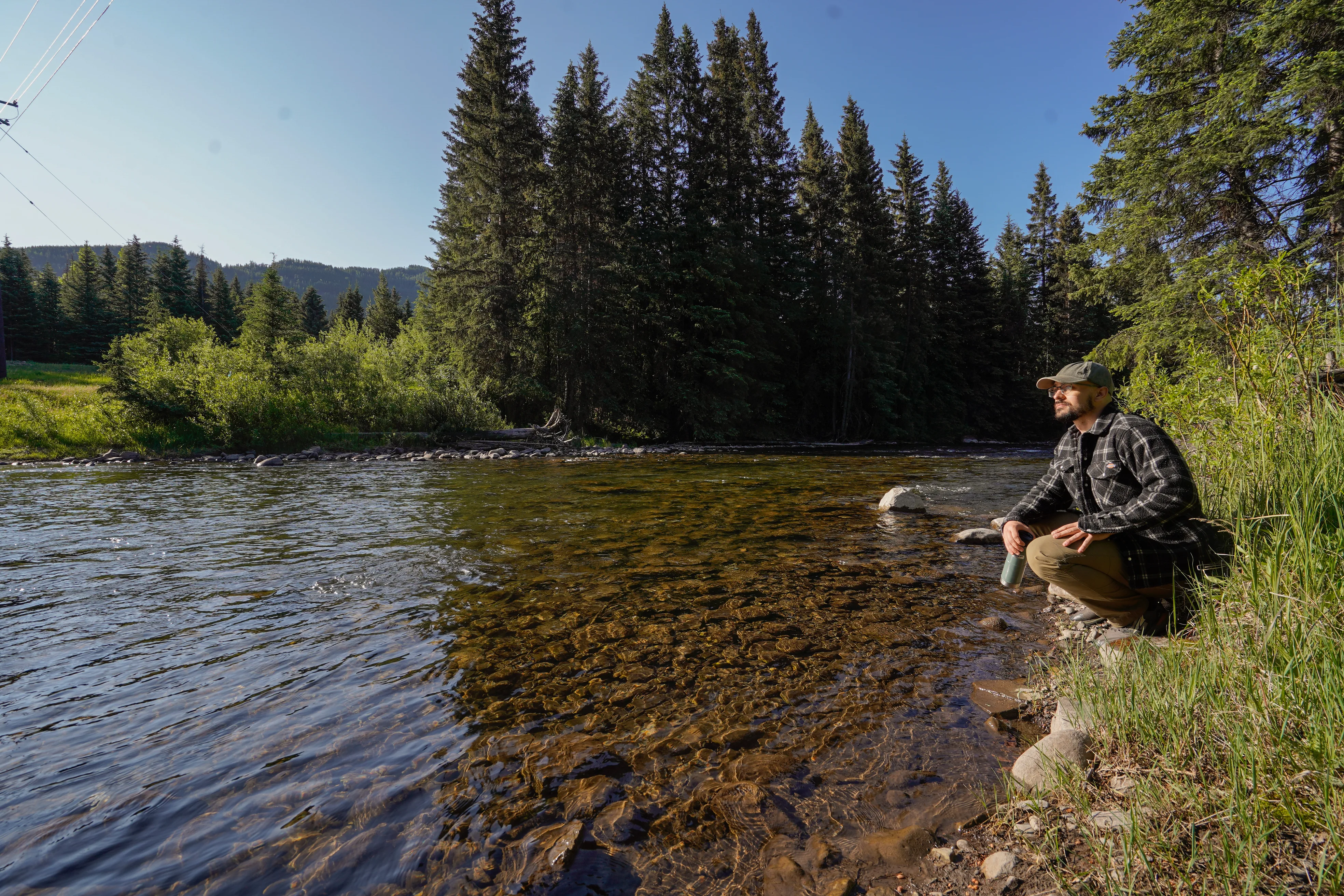
Case study: The Elk Valley
In the Elk Valley, contaminated runoff from four metallurgical coal mines operated by Elk Valley Resources has led to an international water pollution crisis that is currently the subject of an International Joint Commission investigation.
Independent analysis by Burgess Environmental has put the total cost of treating this water pollution at $6.4 billion over the next 60 years. This sum does not include land-based restoration. Despite this, the mines are bonded at $3.7 billion — and the province contributes over $900 million of this sum via the exploration incentive.
Elk Valley Resources’ total bond amount represents more than half of the province’s entire bonding liability.
Case study: Nevada
Nevada has a more transparent and structured approach to mine reclamation security than the current practice in B.C. In Nevada, financial assurance is standardized, publicly accessible, and reviewed regularly, with operators required to submit detailed, third party-informed cost estimates and to update security at least every three years.
Public participation is embedded into the permitting process: upon publication of a permit application, any person may submit written comments, and persons directly affected may request a public hearing.
Critically, Nevada contains no equivalent to B.C.’s exploration incentive that allows operators to post less than the full estimated reclamation security for reasons unconnected to environmental risk.